
Public Interest and Strategic Imperative
The convergence of local prison gangs, transnational shipping logistics, and multinational syndicates has transformed Pacific maritime corridors into high-capacity narcotics pipelines. Formal executive designations reveal how commercial fishing fleets are systematically repurposed to transport multi-ton shipments from South American ports to Central American and Mexican transit hubs. This operational intersection marks an escalating security challenge that combines armed territorial control with global commodity distribution.
Targeting this financial and logistical architecture provides public insight into the critical infrastructure sustaining illicit narcotics distribution. Interdictions on the high seas demonstrate that dismantling armed syndicates requires exposing the maritime front companies and logistical intermediaries that enable cross-border trafficking. Documenting these specific operational nodes clarifies the mechanics behind international law enforcement countermeasures.
Geopolitical Dynamics and Pacific Maritime Routes
The geopolitical trajectory of South American narcotics trafficking has shifted significantly toward Pacific coastal corridors over recent years. As overland and riverine interception points increased in friction, transnational logistics networks pivoted toward maritime transport using industrial and artisanal fishing infrastructure. This structural adaptation allowed criminal syndicates to blend illicit cargo into legitimate open-ocean commerce.
Ecuadorian ports and coastal territories have evolved into critical transit corridors connecting southern production basins with northward distribution hubs. The operational environment deteriorated rapidly as local armed factions aligned themselves with foreign syndicates capable of monetizing Pacific shipping lanes. This strategic alignment accelerated the industrialization of maritime transit across regional waters.
The institutional response reached a formal milestone when international enforcement frameworks expanded their counterterrorism mandates to encompass armed regional gangs. Disrupting these maritime corridors became an operational priority, culminating in coordinated cross-agency sanctions designed to immobilize the commercial assets facilitating bulk transport across international waters.
Key Actors, Designated Cartels, and Blocked Assets
Transnational Cartels and Foreign Terrorist Organizations
The logistics network targeted by the enforcement action directly interfaces with premier Mexican trafficking syndicates. These organizations provide financing, reception logistics, and onward wholesale distribution across North American consumer markets. Official designations confirm active collaboration between local transport cells and established transnational leadership structures.
- [[Sinaloa Cartel|Q384079]]: Designated as a Foreign Terrorist Organization, this transnational syndicate manages extensive maritime reception infrastructure along the Mexican Pacific coast, absorbing bulk shipments for continental distribution.
- [[Jalisco New Generation Cartel|Q6126620]] (CJNG): Operating as a designated Foreign Terrorist Organization, the group maintains aggressive competition and strategic alliances to secure offloading points and illicit supply chains.
- [[Los Choneros|Q6682613]]: An Ecuador-based organization designated as a Foreign Terrorist Organization in September 2025, functioning as a primary territorial controller and maritime logistics partner for foreign cartels.
- [[Los Lobos|Q124376378]]: Designated as a Foreign Terrorist Organization in September 2025, this armed faction operates rival logistical networks, managing security, domestic transit, and maritime dispatch operations.
Sanctioned Fleet and Logistical Fronts
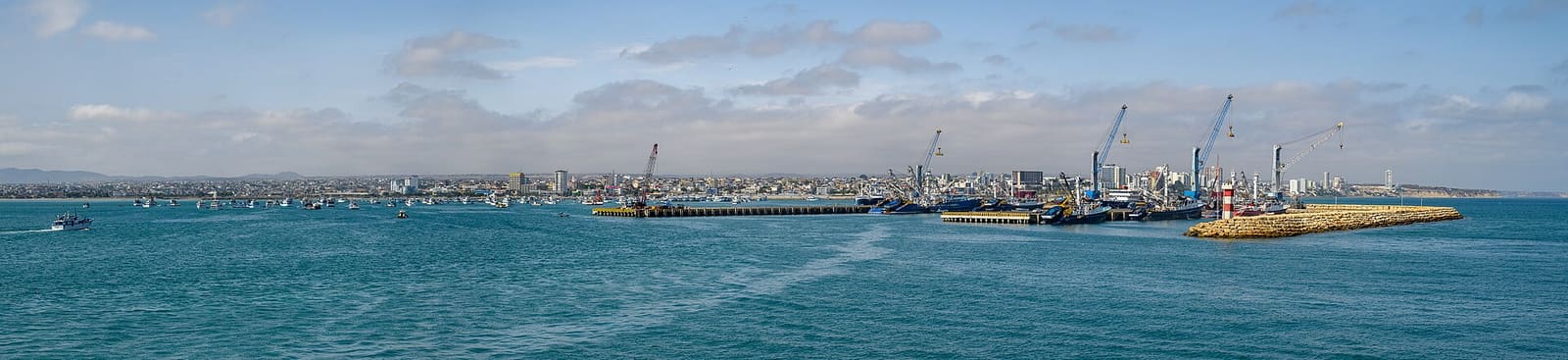
The enforcement action identified an Ecuador-based network comprising 15 individuals and corporate entities responsible for orchestrating international shipments. In addition to commercial front companies, the action identified 10 Ecuador-based fishing vessels designated as blocked property under federal authorities. These vessels formed a mobile logistical bridge across eastern Pacific waters.
“Today, the United States sanctioned an Ecuador-based network of 15 individuals and entities and identified 10 Ecuador-based fishing vessels as blocked property for their role in trafficking thousands of kilograms of cocaine each month from South America to Mexico, destined for distribution in our homeland.”
Commercial fishing fleets provide cover, range, and operational plausible deniability on the high seas. By deploying flagged vessels equipped with commercial tracking systems, logistics operators manage mid-ocean handoffs and refueling operations, evading standard surveillance protocols while moving thousands of kilograms of contraband per cycle.
Critical Analysis of the Evidentiary Record
Operational Scope and Volume Disclosures
Official statements quantify the throughput of the targeted maritime network at thousands of kilograms per month, generating billions of dollars in annual revenue for the recipient syndicates. These volume disclosures confirm that the sanctioned entities did not operate as fragmented, opportunistic smugglers, but as a consolidated logistics conduit capable of sustaining continuous industrial supply flows across international borders.
However, the evidentiary disclosures leave critical operational mechanics unaddressed. While the total number of blocked vessels and entities is specified, the exact ownership structures, corporate registries, and contractual links between the 15 designated entities and the maritime fleet are omitted from the high-level release. The public record establishes corporate culpability without publishing the granular evidentiary briefs detailing shell company jurisdictions.
“These trafficking operations generate billions of dollars annually for cartels responsible for a significant share of the deadly drugs flowing into our communities.”
Convergence of Gang Designations and Counterterrorism Powers
A notable legal dimension of the sanctions is the simultaneous invocation of dual executive authorities. The action relies on Executive Order 14059, which targets illicit drug proliferation, alongside Executive Order 13224, which addresses foreign terrorism and its material support networks. This dual statutory grounding reflects the formal classification of groups like Los Choneros and Los Lobos as Foreign Terrorist Organizations in September 2025.
This convergence demonstrates an evolving enforcement doctrine where transnational organized crime is prosecuted under counterterrorism frameworks. Applying terrorism sanctions to maritime logistics assets allows federal authorities to block secondary transactions, freeze assets across global clearinghouses, and penalize foreign maritime service providers that facilitate vessel maintenance, refueling, or registration.
Unresolved Questions and Structural Gaps
The public record leaves open several substantive questions regarding the longevity and replacement capacity of maritime smuggling infrastructure. Blocking 10 commercial vessels removes immediate physical tonnage from the targeted network, but it does not clarify whether secondary charter arrangements or alternative regional registries remain accessible to the syndicate’s surviving logistical managers.
Furthermore, the designation does not detail the specific maritime reception points utilized along the Mexican coastline. While the involvement of both the Sinaloa Cartel and CJNG is confirmed, the degree to which the 15 sanctioned entities operated as shared logistics brokers serving competing cartels, or maintained segmented dispatch operations, remains an open area for ongoing investigative scrutiny.
Institutional Archival Record and Legal Mandate
This dossier is compiled from official executive releases issued by the [[United States Department of State|Q7899153]] and the Department of the Treasury. The underlying statement was released by Spokesperson Thomas “Tommy” Pigott on August 20, 2026, documenting administrative asset freezes and transnational sanctions enforcement.
Primary source material generated by the United States Federal Government is placed in the public domain under the provisions of 17 U.S.C. § 105. Researchers, legal analysts, and investigators can verify the administrative actions, statutory authorities, and formal press releases directly via the official State Department publication portal.
Archival documentation: Sanctioning Ecuador-Based Cocaine Network Linked to Violent Gangs and Mexican Cartels.