
The Epstein Case: The shockwave of documents unsealed by the New York court
Epstein Case: The Declassified Documents
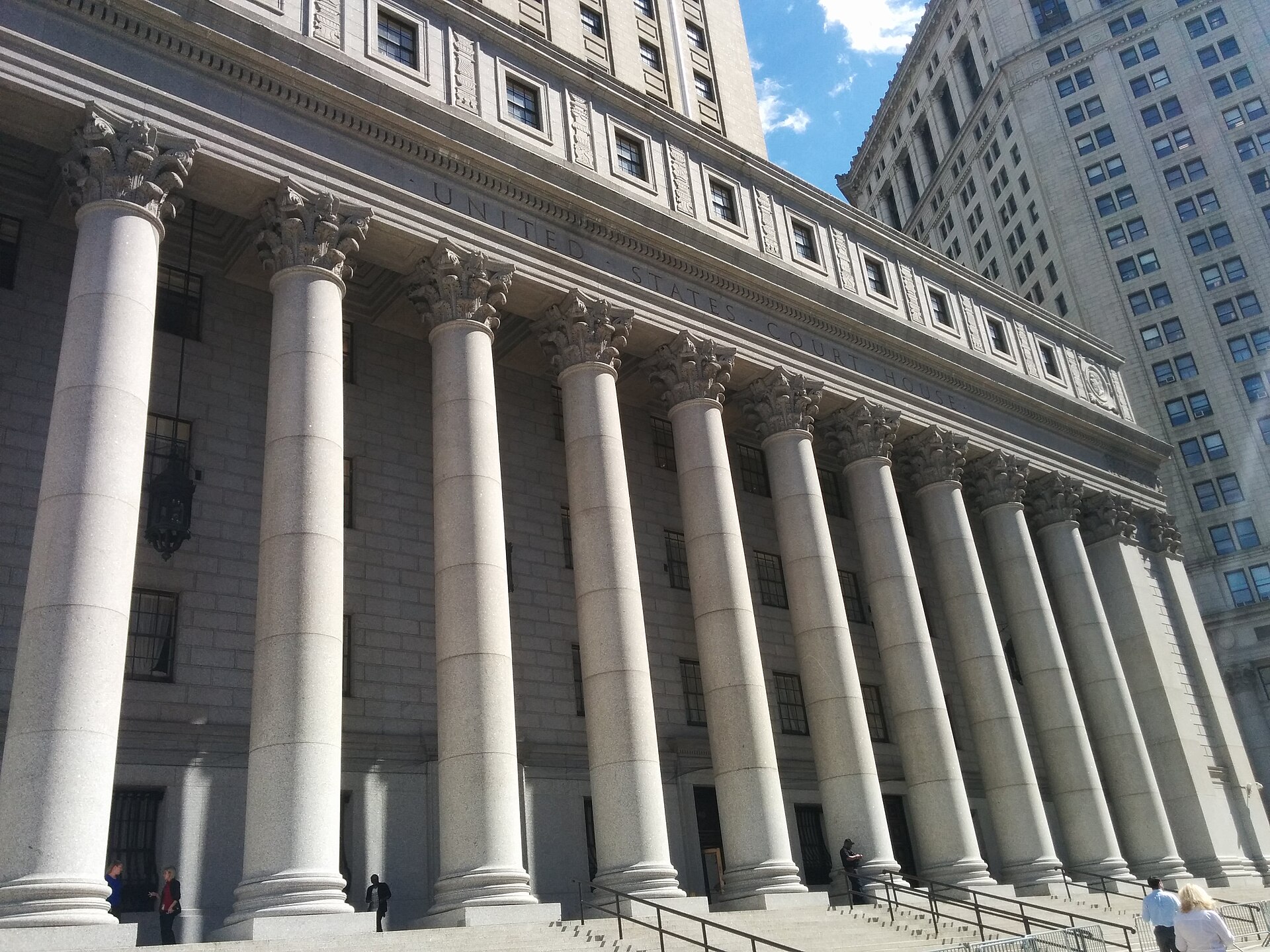
The Manhattan federal court has finally lifted the veil on one of the most explosive dossiers in recent American judicial history. The unsealing of over 900 pages of documents related to the case of Jeffrey Epstein, the financier who died by suicide in prison in 2019 while awaiting trial for sex trafficking, has shaken global public opinion.
The records, filed as part of a civil lawsuit brought by Virginia Giuffre—one of Epstein's primary accusers—against Ghislaine Maxwell, offer a disturbing cross-section of the power and abuse dynamics that revolved around the magnate's private island.
Epstein Case: The Shockwave of the Documents Declassified by the New York Court
The list of names that has emerged is not definitive proof of guilt for all the subjects mentioned, but it represents a detailed map of Epstein's associations. Among the names that have captured media attention are prominent figures from the worlds of politics, finance, and entertainment. Former President Bill Clinton, mentioned multiple times in the documents, and Prince Andrew of the United Kingdom, already at the center of controversies and settlement agreements, reappear in the collected testimonies.
Although no new formal charges have been brought against many of the named individuals, the publication of these records reignites the debate over how influence and money were able to create a protective network around Epstein's illicit activities for years.
The depositions include raw details provided by victims, who describe an organized system of recruitment and exploitation. The figure of Ghislaine Maxwell, Epstein's right-hand woman who has already been sentenced to 20 years in prison, emerges as the logistical hub of this network. Lawyers for the plaintiffs hope that this transparency can serve as a catalyst for further investigations, finally bringing to light the full extent of the web of complicity that allowed such atrocities to be perpetuated in the shadows.
For the public, the unsealing represents a victory for transparency, but it also raises disturbing questions about how much still remains hidden. As the world analyzes these documents, the feeling remains that the Epstein chapter is far from closed. The New York judicial system has sent a strong signal: even the most high-profile names cannot remain eternally protected by the seal of secrecy when such serious violations of human rights are at stake.