
''Coal of the Alps'' and the institutional void in the prevention of eco-mafias
''Coal of the Alps'' and the institutional void in the prevention of eco-mafias
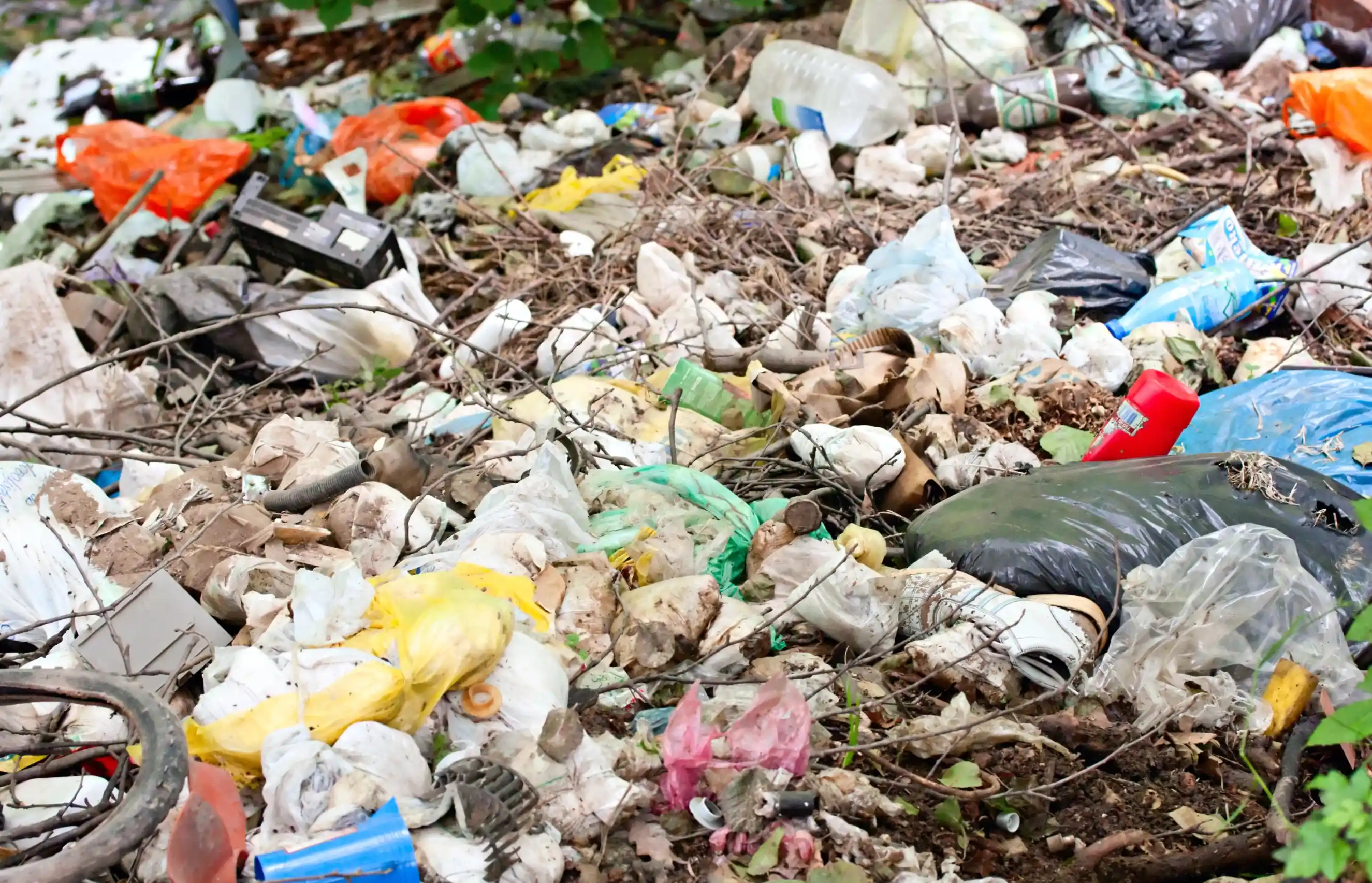
The statement released on 26 May by the European Anti-Fraud Office (OLAF) on the "Coal of the Alps" operation should profoundly shake the local and national public debate. Not only due to the seriousness of the disputes which are the subject of the investigation coordinated by the Trento Public Prosecutor's Office and the District Anti-Mafia Directorate, but above all because the operation clearly shows a fact that is now difficult to dispute: modern economic-criminal organizations now have relationships, skills and operational capabilities such as to allow illicit activities on a transnational scale, penetrating markets and circumventing European environmental regulations with sophisticated tricks. According to what was reported by OLAF, the investigation brought to light a complex cross-border system operating between Italy, Austria, Germany, Croatia, Serbia and Switzerland, based on the misleading reclassification of pyrogasification ash contaminated by polycyclic aromatic hydrocarbons (PAHs) and dioxins. Highly dangerous substances which, through administrative and commercial tricks, would have ended up in the production of barbecue briquettes, agricultural soil improvers and building additives, with potentially very serious consequences for public health and the environment. Regardless of what will be judicial developments and the assessment of individual responsibilities, a political and systemic element emerges forcefully: the waste sector continues to represent one of the areas most exposed to corruption, criminal infiltration and the alteration of market rules.
This is not a sudden discovery. In Trentino, already in the last legislature, a long series of investigations had already highlighted profound critical issues in the environmental sector and waste management. From the seizures relating to the illegal Mezzocorona landfill to the investigations into the Villa Agnedo landfill and the "Perfido" operation on the porphyry quarries, various proceedings have shown how economic crime, administrative corruption and entrepreneurial interests can intertwine even in territories often described as "happy islands". Precisely in light of these episodes, in 2022 a question was presented to the Provincial Council of Trento to request that the environmental authorizations and waste management sector be formally included among the areas at greatest corruption risk within the three-year plan for the prevention of corruption and transparency. The request arose from an elementary observation: if the main police operations and judicial investigations always concern the same sectors, then those areas must be subject to more stringent controls and specific prevention measures.
The response of the provincial government led by Maurizio Fugatti, however, was emblematic of a political underestimation of the problem. While implicitly recognizing the existence of risks, the administration preferred to postpone any concrete decisions to an indefinite future, without introducing any immediate strengthening of preventive measures. A further episode linking subjects resident or originating from Trentino-Alto Adige to international waste trafficking emerged with the "Black Steel" operation, the subject of a parliamentary question by MP Stefania Ascari in December 2024. The investigation had brought to light an alleged international trafficking of over 165 thousand tons of scrap and special ferrous waste, including dangerous ones, accompanied by a system of false invoicing exceeding 90 million euros. The parliamentary act also mentioned some corporate connections with subjects originating or residing in Trentino, including figures linked to the Trentino porphyry district. It was also underlined that transnational waste trafficking represents one of the most profitable sectors for environmental crime, above all thanks to the possibility of reducing disposal costs and more easily evading controls on the recycling chain. Even more significant was the regional affair relating to the proposal to establish an Observatory on organized crime and corruption. A body that was supposed to collect data, monitor the most vulnerable sectors, develop territorial analyzes and support administrations in preventing mafia infiltration and corruption phenomena.
The proposal found the support of authoritative figures of the Italian institutions and anti-mafia: from the president of the ANAC to the Anti-Mafia Investigation Directorate, through magistrates, criminologists, Transcrime scholars, representatives of Libera and the Parliamentary Anti-Mafia Commission. Everyone agreed on the need to create permanent forms of observation and preventive analysis. Yet, despite the favorable opinions gathered during the hearings, the regional majority made up of the League, SVP and other right-wing formations managed to politically block the legislative process, even preventing the proposal from reaching a final vote on its merits. Nor does the situation appear to have changed in the current legislature: the new proposal has also already received the negative opinion of the competent commission and the prospects of approval in the Chamber appear, at present, to be extremely limited. “Coal of the Alps” thus demonstrates what many scholars, investigators and administrators have tried to highlight in recent years: contemporary economic-criminal organizations no longer operate only through traditional intimidation, but through complex corporate networks, advanced technical capabilities, international relations and sophisticated mechanisms of regulatory and administrative manipulation.
Corruption, in this framework, no longer represents a collateral phenomenon but a structural tool for penetration into the legal economy. The economic-criminal networks seek authorizations, favorable interpretations of the rules, bureaucratic relief, deregulations and contacts in the administrative and political ganglia. They do not need to use violence when they can operate "at the limit of legality" or, as the news emerging around the OLAF operation seems to indicate, even beyond that limit thanks to extremely advanced relational networks. The problem, then, does not only concern judicial repression. It concerns above all the fragility of the political and administrative tools of prevention. While criminal networks internationalize and specialize, politics appears increasingly incapable - or in some cases unwilling - to build effective systems of transparency, monitoring and risk analysis. On the contrary, too often institutions seem to bend to the needs of large economic and interest groups, intervening to simplify controls, make regulatory interpretations more flexible or speed up administrative procedures without simultaneously strengthening supervisory mechanisms. The “Coal of the Alps” operation should therefore open up a much broader reflection on the relationship between economic crime, waste management, deregulation and the weakness of democratic institutions. Continuing to portray certain territories as immune from mafia infiltration or refusing permanent forms of monitoring only means increasing the vulnerability of the economic and social fabric. The fight against eco-mafias and economic crime cannot be entrusted exclusively to the judiciary and the police forces. We need permanent observation structures, data analysis, interinstitutional cooperation, administrative transparency and civic participation. Without these safeguards, judicial operations risk intervening only when the environmental, economic and democratic damage has already been caused.
Ecomafia, all the numbers of the disaster: over 727 thousand complaints and 224 thousand seizures
Our Voice takes the field for climate justice: the first environmental conference in Milan
Ecomafie report: illegal turnover at 8.8 billion euros. 84 crimes per day
Trame Festival: Ecomafia Legambiente Report preview presented
Ecomafia 2021. All the numbers on environmental illegalities in Italy. Legambiente's 10 proposals