
Eni/Opl245 trial: a shadow grows over the Milan court - ReCommon
Eni/Opl245 trial: a shadow grows over the Milan court
[by Antonio Tricarico] published on Valori.it
More twists in the Eni-Shell trial for the alleged huge bribe paid by the two oil majors in Nigeria to secure the important Opl245 license for the extraction of oil in the deep waters of the Gulf of Guinea.
Facts dating back to 2011, but which still fascinate and have endless implications in a saga that began way back in 1998, with the dubious attribution of the license to Malabu Oil and Gas by the then Oil Minister Dan Etete.
The new witness: the lawyer who bribed the judges
Now at the Milan court we are moving towards the conclusions of what can easily be defined as the "trial of the century", given the stakes. But the public prosecution forcefully supported the request to hear two new witnesses, starting with the lawyer Piero Amara, well known in the judicial news of recent times for his plea bargain with admission of guilt in Rome and Messina, as the key fulcrum of the so-called "Syracuse system" for the corruption of judges in order to pilot some investigations, to the point of influencing some appointments to the Superior Council of the Judiciary.
The Milanese section of the maxi-investigation into this system focuses on the alleged "conspiracy", which was intended to undermine the Milan Prosecutor's Office's investigation into Opl245. According to the accusation, a false investigation was launched in Sicily into an international conspiracy that was allegedly hatched against the CEO Claudio Descalzi, all with the alleged involvement of top figures of Eni and the public prosecutor of the Syracuse Prosecutor's Office Giancarlo Longo.
For the prosecutors, Fabio De Pasquale and Sergio Spadaro, listening to Amara had become a decisive issue for the fate of the Nigeria trial itself, despite the evidence produced, including the lawyer's recent interrogations, having been collected as part of the parallel investigation into the conspiracy still ongoing in Milan. The alleged attempt at misdirection would have failed because it was discovered, neutralized and now investigated by the Milan Prosecutor's Office itself with magistrates Laura Pedio and Paolo Storari.
If Eni security spied on magistrates, councilors and journalists
Amara told them that Claudio Granata, Chief Services and Stakeholders Relations office of Eni and right-hand man of CEO Desclazi, had confided to him how Eni security had spied on the same magistrates in Milan who were carrying out the two investigations, as well as on the two councilors Luigi Zingales and Karina Litavck.
The latter had asked "uncomfortable" questions - as they themselves reiterated during their depositions at the Milan court - on alleged corruption in Nigeria and Congo in the meetings of Eni's board of directors. Even the journalist Claudio Gatti would have been listened to on the phone and followed given his critical positions on the Opl245 case, argued at length in a book published more than a year ago.
Two omissions that speak volumes
But, at the end of that passage in Amara's interrogation report, before a long omission, Eni's external lawyer reports that Granata told him that information would be acquired on those who could preside over the judging panels of the Opl245 trial.
It should be remembered that with the indictment in December 2017, the tenth criminal section of the Milan court was indicated to preside over the trial, with judges La Rocca-Minerva-Formentin. But this triad immediately pointed out that it was already overwhelmed with several relevant trials, so that it unexpectedly passed the task to the Tremolada-Gallina-Braggion college of the seventh criminal section, which began the trial in March 2018.
The “veiled” accusations against the Milanese magistrates
During Wednesday's hearing De Pasquale added, surprisingly, that:
Amara "knew of interference by the defense of Eni and of certain defendants against magistrates of the Milanese judicial offices with reference to the Olp245 trial".
It should be underlined that De Pasquale did not say "these magistrates" when addressing President Tremolada and colleagues. However, such a statement did not go unnoticed.
Nerio Diodà, Eni's main defender, asked the Prosecutor to specify where he had read this statement in Amara's deposition, since he did not believe it was included in the parts not omitted in the interrogation reports of the investigation into the conspiracy presented by the public prosecution in the Nigeria trial.
De Pasquale laconically replied: "I cannot answer this question."
For Severino the evidence is not decisive
For the lawyer Paola Severino, former Justice Minister of the Monti government and always at the forefront of the law to defend the main Italian companies from serious accusations, the question was clear: even if confirmed, such evidence was not at all decisive for the Nigeria trial. While at most they would have been relevant in the investigation into the conspiracy.
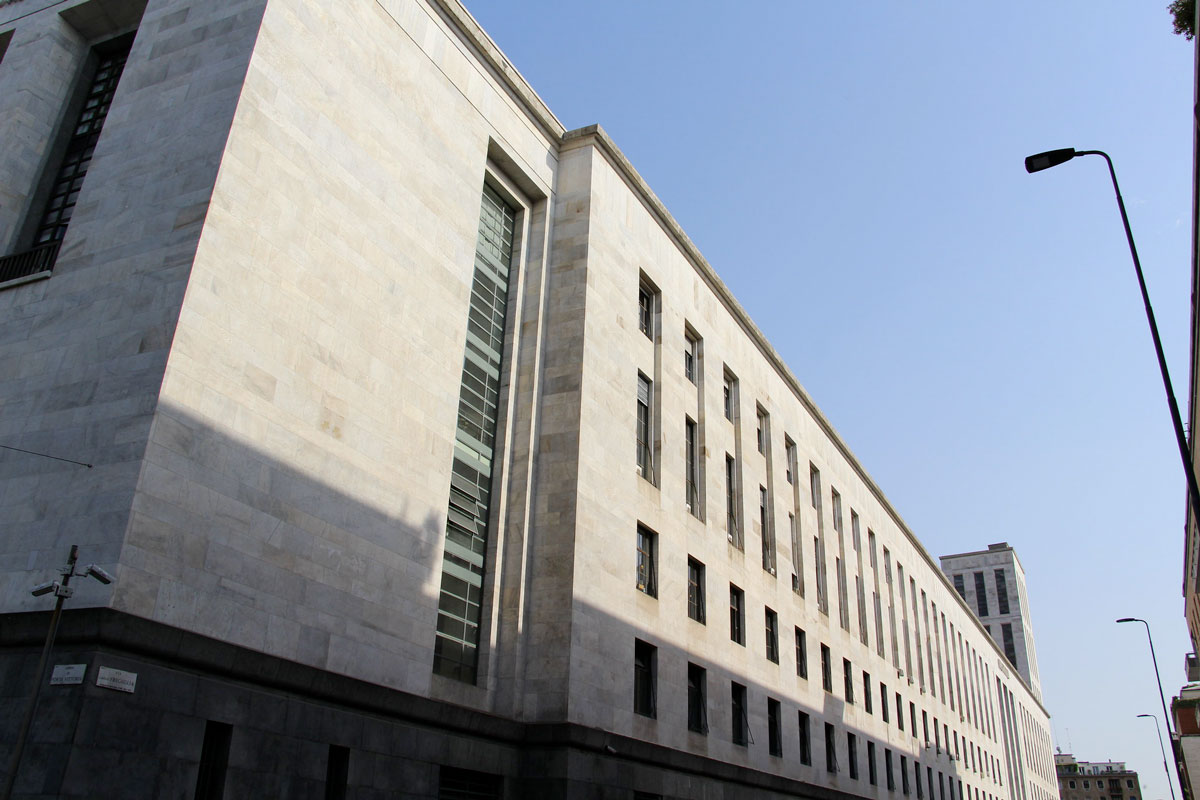
After a deliberation lasting more than an hour, the panel reappeared in room 7 on the third floor of the Milan court and sharply decreed that:
the lawyer Amara - and also her colleague Leonardo Marchese - should not be heard as their testimonies would not constitute decisive evidence for the outcome of the Nigeria trial.
Towards the final stages
The trial was adjourned until March 27, when the public prosecution will begin its final indictment. A ruling is expected in July or perhaps September, after the conclusions of the numerous parties in the trial. However, there is no doubt that since Wednesday a shadow has grown over the Court of Milan and the autonomy of its judges. It is probable that the "Nigeria trial", whatever its outcome, will unfortunately not allow it to be resolved.