
War in Nagorno Karabakh, "civil and military prisoners beheaded"
War in Nagorno Karabakh, "civil and military prisoners beheaded"
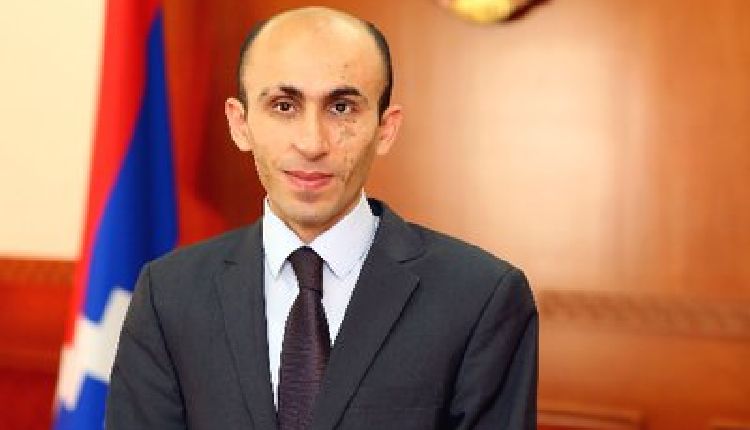
After experiencing the war of the 1990s, Artak Beglaryan dedicated his life to promoting peace in Nagorno Karabakh. And during the last conflict between Armenia and Azerbaijan he denounced the crimes perpetrated against the population. Here's what he told Osservatorio Diritti
Artak Beglaryan, human rights defender and presidential chief of staff of the Republic of Artsakh/Karabakh, made the world aware of the crimes being committed in the Caucasus region through his posts on Facebook and Twitter throughout the 44-day conflict. The man, who lost his sight as a child due to a mine explosion and was left fatherless during the war of the 1990s, dedicated his life to the fight for respect for human rights and for the creation of a policy of peace and coexistence in Nagorno Karabakh.
Met in his office in Stepanakert at the end of the last escalation of the war, he told Osservatorio Diritti what were the most evident and brutal violations of human rights committed during the clashes.
Read also: • Nagorno Karabakh: what the war between Armenia and Azerbaijan left behind • Nagorno Karabakh: ferocious and dead-end war at the gates of Europe
Forty-four days of fighting and bombings in 2020: what human rights violations were recorded in the latest Nagorno Karabakh war?
The most obvious thing is that civilian targets and civilians were hit and targeted. At the moment, 61 civilians have been confirmed killed on the Armenian side: 40 citizens lost their lives due to the bombings, 20 died after being taken prisoner or following gunshots. Furthermore, there are more than 40 people who are missing and we fear that they too have been killed. Then, in the total number of victims, 163 civilians injured following bombings should also be included and it should also be noted that over 5,000 houses were destroyed and 4,000 infrastructures and public buildings were damaged.
Were buildings protected by international humanitarian law affected?
Absolutely yes. Among the bombed buildings and infrastructures there were hospitals, schools, kindergartens and churches, such as the Shushi cathedral, which housed displaced people inside when it was hit. More than 70% of Karabakh communities have been affected by the clashes. The only reason why there were few civilian deaths compared to the buildings hit is that as soon as the bombings began, women and children left Nagorno Karabakh and those who remained took refuge in basements and bunkers.
Read also: • Nagorno Karabakh: the end of the war is not the beginning of peace • Humanitarian law of war and human rights: here's how they can coexist
Was there violence towards the press and journalists? Can we talk about a violation of the right to information?
Since the hostilities began, 7 journalists have been injured and an Armenian boy who accompanied them has died. In some cases there is evidence that missiles deliberately targeted local and international press. The weapons used during the war by the Azerbaijani side were extremely sophisticated and it is difficult to believe that these were accidents.
What can you tell us about prisoners of war?
We have evidence of beheadings of civilian and military prisoners. There is an open investigation by The Guardian into the beheading of two elderly Armenian civilians and there is an ongoing investigation by Bellingcat into the killing of two Armenian civilians in Hadrut. And there is also evidence, already sent to human rights organizations, which reveals how prisoners of war were beaten, humiliated and mutilated.
The use of prohibited weapons has also caused a lot of discussion
It has been demonstrated by all media outlets covering the 44-day war that prohibited weapons were used indiscriminately. There was widespread use of cluster bombs and then we also collected evidence on the use of white phosphorus. The samples taken have been sent to various laboratories and we are awaiting the results of the analyses, but many doctors, especially those who work at the burns center in Yerevan, after seeing the burns reported by the soldiers have unanimously declared that that type of burner is compatible in every way with those caused by a chemical agent such as white phosphorus when used on the population. And then we are certain that kamikaze drones were also used.