Giornalismo d'Inchiesta
Unclessify — Rivista di Investigazione e Declassificazione, Fondata da Graziano Costantino
Tre volti della dottrina atomica: tra pedagogia scolastica, diplomazia scientifica e proiezione strategica
archives.gov

Tre volti della dottrina atomica: tra pedagogia scolastica, diplomazia scientifica e proiezione strategica

Dossier UnclessifyUSA2026public
#dottrina-atomica#guerra-fredda#protezione-civile#disarmo-nucleare#propaganda-statale
📁 Fascicolo Probatorio & Atti AcquisitiInchiesta Esclusiva Unclessify

Atti declassificati, registri ufficiali e documentazione giudiziaria acquisiti ed esaminati dal team investigativo di Unclessify.

Reportage Investigativo Completo

Un’indagine documentale mette a confronto la minimizzazione didattica dei rifugi scolastici, la diplomazia dell’atomo pacifico e i filmati tecnici sul potenziale distruttivo dei vettori aerei.

Rilevanza pubblica e costruzione del consenso nucleare

La comprensione delle strategie di comunicazione istituzionale elaborate negli anni Cinquanta rappresenta una chiave fondamentale per decifrare come le potenze nucleari abbiano gestito il consenso interno e le relazioni diplomatiche. Analizzare gli archivi audiovisivi dell’epoca consente di esaminare la dissociazione strutturale tra il rischio bellico reale e la sua rappresentazione didattica. Questo scarto informativo dimostra come la pedagogia civile sia stata utilizzata per normalizzare una minaccia esistenziale senza precedenti nella storia contemporanea.

Mentre alle popolazioni civili e alle scolaresche veniva insegnata una disciplina di sopravvivenza individuale basata su gesti minimi e protezioni di fortuna, la pianificazione bellica sviluppava sistemi di distruzione su scala intercontinentale con vettori capaci di radere al suolo intere aree urbane. Contemporaneamente, le missioni diplomatiche all’estero promuovevano una visione redentiva della fisica nucleare incentrata sull’energia e sulla medicina. Rileggere oggi questi documenti consente di verificare i meccanismi con cui un medesimo apparato di governo ha veicolato narrazioni parallele e tra loro inconciliabili.

Contesto storico e geopolitico del riarmo strategico

All’inizio degli anni Cinquanta, la fine del monopolio atomico statunitense e lo scoppio della guerra di Corea accelerarono la militarizzazione della dottrina difensiva americana. La Federal Civil Defense Administration, creata per gestire l’impatto psicologico e materiale di un potenziale conflitto nucleare sul suolo metropolitano, operava a stretto contatto con le istituzioni scolastiche per diffondere protocolli comportamentali standardizzati. La priorità strategica era evitare il panico di massa e instillare una percezione di controllabilità della detonazione termonucleare assimilabile alle ordinarie emergenze urbane.

Nel medesimo frangente, la United States Air Force consolidava l’architettura operativa del proprio Strategic Air Command, trasformando la deterrenza in una flotta di bombardieri pesanti e medi in grado di compiere missioni a lunghissimo raggio mediante il rifornimento in volo. I poligoni nel Pacifico e i test d’arma congiunti con la Atomic Energy Commission avevano lo scopo di validare le tecniche di inserimento dell’innesco in volo e il caricamento di ordigni calibro 60 pollici. L’imperativo bellico era assicurare la capacità di colpire qualsiasi bersaglio globale senza preavviso.

Sul versante internazionale, la competizione per l’influenza geopolitica richiedeva una contro-narrazione capace di attenuare il terrore provocato dagli arsenali bellici. Il programma Atoms for Peace, promosso dalla presidenza Eisenhower, trovò un banco di prova cruciale in Giappone, dove il ricordo dei bombardamenti del 1945 era ancora vivo. Il primo novembre 1955 venne inaugurata nel parco Hibiya di Tokyo la mostra sull’energia atomica per la pace, strutturata come un grande evento educativo volto a ricollocare la fissione nucleare all’interno di una prestigiosa genealogia scientifica universale.

Attori istituzionali e scientifici coinvolti

La filiera della comunicazione e della dottrina atomica degli anni Cinquanta ha visto la convergenza di organismi militari, agenzie civili di sicurezza, vertici governativi e comunità scientifiche. Tra i soggetti chiave figurano:

  • Federal Civil Defense Administration: agenzia federale incaricata della protezione civile e della produzione di materiali pedagogici per le scuole, in consultazione con la Safety Commission della National Education Association.
  • Strategic Air Command e United States Air Force: comandi operativi responsabili dell’impiego dei bombardieri B-29, B-50, B-36, B-47 e B-52 per la consegna di testate nucleari su obiettivi remoti.
  • Atomic Energy Commission degli Stati Uniti: ente federale per lo sviluppo e la sperimentazione degli ordigni atomici e per la supervisione dei reattori di ricerca, come il Brookhaven National Laboratory.
  • Dwight D. Eisenhower: presidente degli Stati Uniti e promotore della dottrina «Atoms for Peace», il cui messaggio venne trasmesso all’inaugurazione della mostra di Tokyo dall’ambasciatore Allison.
  • Matsutarō Shōriki: presidente della Commissione per l’energia atomica del Giappone, che definì l’esposizione di Tokyo un punto di svolta storico per l’era atomica nipponica.
  • Ichirō Hatoyama: primo ministro del Giappone, il cui messaggio inaugurale salutò la scienza atomica come un movimento educativo fondamentale per il Paese.
  • Scienziati e teorici della fisica: figure storiche citate nei percorsi didattici d’epoca per legittimare la ricerca, tra cui Enrico Fermi per la pila atomica a grafite, Hideki Yukawa per la teoria dei mesoni, Albert Einstein, Otto Hahn, Ernest Rutherford, Niels Bohr, Marie Curie e Henri Becquerel.

Analisi critica delle evidenze e contraddizioni dottrinarie

L’esame incrociato dei filmati prodotti per le scuole e della documentazione tecnica destinata ai comandi militari rivela una radicale frattura tra il livello di distruzione reale degli ordigni e le istruzioni fornite ai civili. Nel cortometraggio scolastico del 1951, la detonazione nucleare viene paragonata a pericoli ordinari del traffico cittadino o a incidenti domestici regolati dai vigili del fuoco. L’effetto termico viene descritto con formule rassicuranti che ne riducono la gravità a una semplice scottatura cutanea:

«The atomic bomb flash could burn you worse than a terrible sunburn, especially where you’re not covered.»

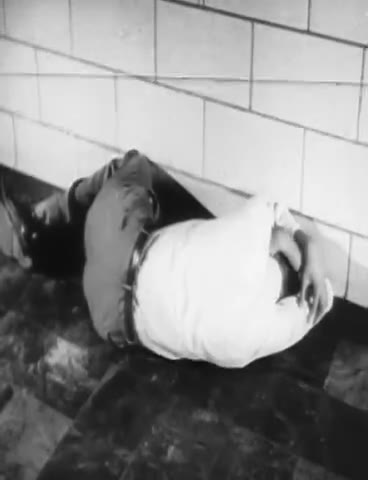
L’istruzione impartita ai bambini di gettarsi a terra («duck and cover») coprendo il collo e il viso sotto un banco di scuola o contro il muro di un corridoio viene presentata come una protezione efficace contro schegge e crolli. Questa narrazione omette completamente qualsiasi riferimento all’irraggiamento ionizzante immediato, alla letalità delle dosi massive di radiazioni gamma o al fallout radioattivo prolungato. L’analogia didattica con la tartaruga Bert che si ritira nel guscio creava l’illusione psicologica che la salvezza dipendesse esclusivamente dalla prontezza del singolo individuo nell’eseguire il protocollo.

Di tenore diametralmente opposto sono i dati esposti nei filmati di addestramento dell’aeronautica militare relativi ai bombardieri a lungo raggio. Nei documenti del SAC, la singola arma atomica da 60 pollici caricata nella stiva di un bombardiere B-36 o B-52 non viene descritta come un’esplosione convenzionale ingrandita, ma come una forza distruttiva pari all’energia di diecimila fulmini, esplicitamente quantificata come sufficiente a spazzare via una città di duecentomila abitanti:

«The energy of 10,000 lightning bolts, enough to wipe out a city of 200,000, is packed within this harmless-appearing case.»

La documentazione tecnica dell’USAF evidenzia che il carico distruttivo di soli due ordigni nucleari da 60 pollici trasportati da un bombardiere B-36 superava di 4.000 volte l’effetto di un bombardamento a tappeto convenzionale da 84.000 libbre di esplosivo. I requisiti operativi descritti per gli equipaggi includevano l’adozione di tende nere protettive sui finestrini per impedire che il lampo termico accecasse i piloti e manovre di inserimento in volo a 8.500 piedi condotte con codici radio riservati tra la cabina e il controllo di terra.

La coesistenza di questi dati con la campagna internazionale per l’atomo pacifico riflette una precisa strategia di compensazione retorica. All’esposizione di Tokyo nel novembre 1955, visitata in sei settimane da un terzo di milione di persone, il potere della fissione venne isolato dal suo contesto militare e presentato attraverso i modelli del reattore di Brookhaven, i manipolatori a distanza per radioisotopi, la radioterapia al cobalto per i tessuti tumorali e le applicazioni mediche con iodio e fosforo radioattivo. L’atomo veniva ricondotto alle teorie di Democrito di duemila anni prima e alle scoperte di Becquerel e Fermi, occultando il fatto che le medesime pile a grafite costituivano il fondamento della filiera di arricchimento bellico.

Trasparenza e base giuridica delle fonti

I documenti e i filmati analizzati in questo dossier provengono dagli archivi storici federali degli Stati Uniti d’America e sono accessibili per finalità di ricerca e verifica documentale. In conformità con il titolo 17, sezione 105 dello United States Code, le opere realizzate da ufficiali o dipendenti del governo federale nell’esercizio delle loro funzioni istituzionali non sono soggette a diritto d’autore e appartengono al pubblico dominio.

I supporti multimediali esaminati comprendono:

Su cosa si regge questo pezzo

Il testo è stato verificato contro i fatti elencati, estratti dall'atto qui sopra. Non ha ancora una corroborazione da fonti indipendenti.

I 120 fatti verificati nel testo
  1. [filmato «Duck And Cover (1951) Bert The Turtle», parlato] There was a turtle by the name of Bert, and Bert the turtle was very alert.
  2. [filmato «Duck And Cover (1951) Bert The Turtle», parlato] When danger threatened him, he never got hurt, he knew just what to do.
  3. [filmato «Duck And Cover (1951) Bert The Turtle», parlato] He did what we all must learn to do, you and you and you and you.
  4. [filmato «Duck And Cover (1951) Bert The Turtle», parlato] Be sure and remember what Bert the turtle just did, friends, because every one of us must remember to do the same thing.
  5. [filmato «Duck And Cover (1951) Bert The Turtle», parlato] This is an official Civil Defense film, produced in co-operation with the Federal Civil Defense Administration and in consultation with the Safety Commission of the National Education Association.
  6. [filmato «Duck And Cover (1951) Bert The Turtle», parlato] When there's danger, this is the way he keeps from being hurt.
  7. [filmato «Duck And Cover (1951) Bert The Turtle», parlato] That's why these children are practicing to duck and cover just as you do in your school.
  8. [filmato «Duck And Cover (1951) Bert The Turtle», parlato] Since it may be used against us, we must get ready for it, just as we are ready for many other dangers that are around us all the time.
  9. [filmato «Duck And Cover (1951) Bert The Turtle», parlato] We have a fine fire department to put out the fire, and you have fire drills in your school so you'll know what to do.
  10. [filmato «Duck And Cover (1951) Bert The Turtle», parlato] We have safety rules that car drivers and people who are walking must obey.
  11. [filmato «Duck And Cover (1951) Bert The Turtle», parlato] First, you have to know what happens when an atomic bomb explodes.
  12. [filmato «Duck And Cover (1951) Bert The Turtle», parlato] It looks something like this: there is a bright flash, brighter than the sun, brighter than anything you've ever seen.
  13. [filmato «Duck And Cover (1951) Bert The Turtle», parlato] If you are not ready and did not know what to do, it could hurt you in different ways.
  14. [filmato «Duck And Cover (1951) Bert The Turtle», parlato] It could knock you down hard, or throw you against a tree or a wall.
  15. [filmato «Duck And Cover (1951) Bert The Turtle», parlato] It is such a big explosion, it can smash in buildings and knock sign boards over, and break windows all over town.
  16. [filmato «Duck And Cover (1951) Bert The Turtle», parlato] But if you duck and cover like Bert, you will be much safer.
  17. [filmato «Duck And Cover (1951) Bert The Turtle», parlato] The atomic bomb flash could burn you worse than a terrible sunburn, especially where you're not covered.
  18. [filmato «Duck And Cover (1951) Bert The Turtle», parlato] Now, you and I don't have shells to crawl into like Bert the turtle, so we have to cover up in our own way.
  19. [filmato «Duck And Cover (1951) Bert The Turtle», parlato] First, you duck, and then you cover, and very tightly you cover the back of your neck and your face.
  20. [filmato «Duck And Cover (1951) Bert The Turtle», parlato] Duck and cover underneath a table or desk, or anything else close by.
  21. [filmato «Duck And Cover (1951) Bert The Turtle», parlato] In Betty's school, they are talking about the atomic bomb, too.
  22. [filmato «Duck And Cover (1951) Bert The Turtle», parlato] Betty is asking her teacher: 'How can we tell when the atomic bomb may explode?' And her teacher is explaining that there are two kinds of attack: with warning and without any warning.
  23. [filmato «Duck And Cover (1951) Bert The Turtle», parlato] We think that most of the time we will be warned before the bomb explodes, so there will be time for us to get into our homes, schools, or some other safe place.
  24. [filmato «Duck And Cover (1951) Bert The Turtle», parlato] Our civil defense workers and our men in uniform will do everything they can to warn us before enemy planes can bring a bomb near us.
  25. [filmato «Duck And Cover (1951) Bert The Turtle», parlato] You may be in your schoolyard playing when the signal comes.
  26. [filmato «Duck And Cover (1951) Bert The Turtle», parlato] That signal means to stop whatever you are doing and get to the nearest safe place fast.
  27. [filmato «Duck And Cover (1951) Bert The Turtle», parlato] Always remember: the flash of an atomic bomb can come at any time, no matter where you may be.
  28. [filmato «Duck And Cover (1951) Bert The Turtle», parlato] Then, be sure to get into the house fast, where your parents have fixed a safe place for you to go.
  29. [filmato «Duck And Cover (1951) Bert The Turtle», parlato] If you are not close to home when you hear the warning, go to the nearest safe cover.
  30. [filmato «Duck And Cover (1951) Bert The Turtle», parlato] Know where you are to go, or ask an older person to help you.
  31. [filmato «Duck And Cover (1951) Bert The Turtle», parlato] If there is a warning, you will hear it before the bomb explodes.
  32. [filmato «Duck And Cover (1951) Bert The Turtle», parlato] But sometimes, and this is very, very important, sometimes the bomb might explode without any warning.
  33. [filmato «Duck And Cover (1951) Bert The Turtle», parlato] Then, the first thing we would know about it would be the flash, and that means duck and cover fast, wherever you are.
  34. [filmato «Duck And Cover (1951) Bert The Turtle», parlato] Be like Bert: when there is a flash, duck and cover and do it fast.
  35. [filmato «Duck And Cover (1951) Bert The Turtle», parlato] Here are some older boys showing what to do if the flash comes when you are not in the classroom.
  36. [filmato «Duck And Cover (1951) Bert The Turtle», parlato] This is what to do if you should be in a corridor: you duck and cover tight against the wall this way.
  37. [filmato «Duck And Cover (1951) Bert The Turtle», parlato] Remember to keep your face and the back of your neck covered tightly.
  38. [filmato «Duck And Cover (1951) Bert The Turtle», parlato] Then, if the glass breaks and flies through the air, it won't cut you.
  39. [filmato «Duck And Cover (1951) Bert The Turtle», parlato] Then, if the explosion makes anything in the room fall down, it can't fall on you.
  40. [filmato «Duck And Cover (1951) Bert The Turtle», parlato] Getting ready means we will all have to be able to take care of ourselves.
  41. [filmato «Power for Peace», parlato] On the first day of November, 1955, the United States Atoms for Peace Exhibition opened in Hibiya Park, Tokyo.
  42. [filmato «Power for Peace», parlato] Allison, conveyed a message from President Eisenhower, that the exhibit stands as a symbol of our country's mutual determination that the great power of the atom shall be dedicated to the arts of peace.
  43. [filmato «Power for Peace», parlato] Matsutaro Shoriki, now chairman of Japan's Atomic Energy Commission, termed the exhibit an historic curtain raiser on the atomic age in Japan.
  44. [filmato «Power for Peace», parlato] A message from Prime Minister Hatoyama, read by Chief Cabinet Secretary Nemoto, praised the greatness of atomic science in the present century, and welcomed the exhibit as an educational movement.
  45. [filmato «Power for Peace», parlato] The long line gave evidence of strong interest in how the atom provides power for peace.
  46. [filmato «Power for Peace», parlato] Then, the climactic moment, and the first of what six weeks later would be a third of a million persons started moving through the big doors.
  47. [filmato «Power for Peace», parlato] It was an exhibit holding promise for the future, yet there was a past to be considered, a realization that what was taught by Democritus 2000 years ago was pertinent today.
  48. [filmato «Power for Peace», parlato] He claimed all the world was made of atoms, too small to be seen, that in size, the atom is to the apple, as the apple is to the world.
  49. [filmato «Power for Peace», parlato] In 1896, Henri Becquerel learned certain elements are unstable, that their atoms are constantly changing in form, giving off rays of energy.
  50. [filmato «Power for Peace», parlato] Working with Becquerel, Madame Curie discovered the chief among these unstable elements is radium, which emits extremely powerful rays.
  51. [filmato «Power for Peace», parlato] It was Ernest Rutherford who discovered the atomic nucleus, the core of the atom, source of its energy and most of its weight.
  52. [filmato «Power for Peace», parlato] And Niels Bohr provided the theory of atomic structure, revealing the atom is a miniature solar system with electrons for planets, the nucleus, its sun.
  53. [filmato «Power for Peace», parlato] Later, theoretical physicist Hideki Yukawa of Japan provided new facts about forces in the atom's nucleus with his meson prediction theory.
  54. [filmato «Power for Peace», parlato] Lawrence invented the cyclotron, a device which smashes atoms so that scientists can learn more about their structure and energy properties.
  55. [filmato «Power for Peace», parlato] It was Albert Einstein who revealed through his theory on the nature of relativity that mass can be transformed into energy.
  56. [filmato «Power for Peace», parlato] And Otto Hahn in 1938 was first to split the nucleus of the uranium atom, which resulted in the release of tremendous amounts of energy.
  57. [filmato «Power for Peace», parlato] Enrico Fermi conceived, then built an apparatus of graphite blocks which could sustain the nuclear fission process as a chain reaction.
  58. [filmato «Power for Peace», parlato] He called it an atomic pile, where the fission process could be induced, sustained, and controlled.
  59. [filmato «Power for Peace», parlato] Man finally could claim a degree of control over the power of the atom.
  60. [filmato «Power for Peace», parlato] You will see now by what means and in what fields the atom's power is at work for peace.
  61. [filmato «Power for Peace», parlato] This is a full-scale model of the graphite reactor at the Brookhaven National Research Laboratory, used mainly for the production of radioisotopes.
  62. [filmato «Power for Peace», parlato] Bombarded by the neutrons inside the reactor, most elements become radioactive.
  63. [filmato «Power for Peace», parlato] Elements artificially made radioactive in this way are called radioisotopes.
  64. [filmato «Power for Peace», parlato] At the side of the reactor, materials which are to be made radioactive are inserted inside.
  65. [filmato «Power for Peace», parlato] Made of a neutron-absorbing material, the rod while it is inside the reactor prevents the chain reaction.
  66. [filmato «Power for Peace», parlato] The green bars represent the uranium, the black is the graphite.
  67. [filmato «Power for Peace», parlato] With the rod withdrawn, neutrons are left free to fly, free to strike and to split uranium atoms.
  68. [filmato «Power for Peace», parlato] The splitting of one uranium atom leads to the splitting of nearby uranium atoms in geometric progression, until the whole of the uranium is reacting, producing great heat and high radiation, always controlled and contained by the reactor.
  69. [filmato «Power for Peace», parlato] Materials inserted earlier having been bombarded by uranium neutrons are now radioactive.
  70. [filmato «Power for Peace», parlato] Scintillation counters, Geiger counters measure degree of radioactivity.
  71. [filmato «Power for Peace», parlato] The technician is protected by special glass and lead bricks.
  72. [filmato «Power for Peace», parlato] When exposed to a radioactive source, a Geiger counter makes a clicking sound.
  73. [filmato «Power for Peace», parlato] This sound diminishes when lead bricks are placed in between.
  74. [filmato «Power for Peace», parlato] Another handling device, "magic hands," the operator protected by a transparent shield and distance.
  75. [filmato «Power for Peace», parlato] He may even manipulate materials without seeing them directly, through closed-circuit television.
  76. [filmato «Power for Peace», parlato] These radioactive materials, called radioisotopes, have a variety of uses, all of them important, many of them unusual, most of them quite simple.
  77. [filmato «Power for Peace», parlato] In medicine, for example, radiation from radio-cobalt in this therapy machine can be used to destroy cancerous tissue.
  78. [filmato «Power for Peace», parlato] Its capacity is that of a 2 million volt X-ray machine, which would cost three times as much as this apparatus.
  79. [filmato «Power for Peace», parlato] Radioactive iodine, taken in solution, collects in the thyroid gland to reveal thyroid activity and treat disorders.
  80. [filmato «Power for Peace», parlato] Radioactive phosphorus applied to birthmarks can, with consecutive treatment, remove such marks.
  81. [filmato «USAF Atomic Bomb Delivery Aircraft 1950s Film», parlato] Hidden under this security cover is the most destructive force ever devised by man: an atomic bomb.
  82. [filmato «USAF Atomic Bomb Delivery Aircraft 1950s Film», parlato] The energy of 10,000 lightning bolts, enough to wipe out a city of 200,000, is packed within this harmless-appearing case.
  83. [filmato «USAF Atomic Bomb Delivery Aircraft 1950s Film», parlato] So, with healthy respect and cool efficiency, the weapon is hoisted into the bomb bay of a B-36.
  84. [filmato «USAF Atomic Bomb Delivery Aircraft 1950s Film», parlato] For this is another bombing mission conducted by the Air Force in conjunction with the Atomic Energy Commission to test new weapon ideas, to devise effective handling techniques and delivery methods suitable under any and all conditions of weather and warfare.
  85. [filmato «USAF Atomic Bomb Delivery Aircraft 1950s Film», parlato] We will join it again on its bombing run during this test mission.
  86. [filmato «USAF Atomic Bomb Delivery Aircraft 1950s Film», parlato] Tests such as this are vital for the security and defense of our nation.
  87. [filmato «USAF Atomic Bomb Delivery Aircraft 1950s Film», parlato] For bombs are useless unless they can be delivered on targets.
  88. [filmato «USAF Atomic Bomb Delivery Aircraft 1950s Film», parlato] And therefore, air delivery of atomic bombs is one of the main responsibilities of the Air Force, particularly of the Strategic Air Command and the Tactical Air Command.
  89. [filmato «USAF Atomic Bomb Delivery Aircraft 1950s Film», parlato] Today, the Strategic Air Command with its medium and heavy bombers can carry atomic missiles to the heart of an enemy country anywhere in the world.
  90. [filmato «USAF Atomic Bomb Delivery Aircraft 1950s Film», parlato] For example, a B-29 can easily fly from Omaha to England non-stop, a distance of approximately 3400 nautical miles.
  91. [filmato «USAF Atomic Bomb Delivery Aircraft 1950s Film», parlato] The B-29 medium bomber is one of the workhorses of the strategic bombing fleet.
  92. [filmato «USAF Atomic Bomb Delivery Aircraft 1950s Film», parlato] Developed from the Flying Fortress of World War II, the B-29 was the backbone of the heavy bombardment fleet in the war against Japan, and also has seen yeoman service in Korea.
  93. [filmato «USAF Atomic Bomb Delivery Aircraft 1950s Film», parlato] It can carry a 60-inch atomic weapon and bomb targets at a speed of 300 knots from 30,000 feet.
  94. [filmato «USAF Atomic Bomb Delivery Aircraft 1950s Film», parlato] With the in-flight refueling now available, far-distant targets come within range of the B-29.
  95. [filmato «USAF Atomic Bomb Delivery Aircraft 1950s Film», parlato] An improved version of the B-29 is the B-50, designed to go higher and farther.
  96. [filmato «USAF Atomic Bomb Delivery Aircraft 1950s Film», parlato] The tall vertical tail surfaces on the B-50 and the large oil coolers beneath the 3500-horsepower engines permit easy identification of this plane.
  97. [filmato «USAF Atomic Bomb Delivery Aircraft 1950s Film», parlato] Since all B-50s are equipped for in-flight refueling, they also are potential intercontinental bombers.
  98. [filmato «USAF Atomic Bomb Delivery Aircraft 1950s Film», parlato] In fact, the B-50 Lucky Lady flew around the world non-stop in 4 days by means of this technique.
  99. [filmato «USAF Atomic Bomb Delivery Aircraft 1950s Film», parlato] And as for atomic bomb delivery, the B-50 can carry a 60-inch atomic weapon approximately 4000 nautical miles at 300 knots and bomb effectively from 35,000 feet.
  100. [filmato «USAF Atomic Bomb Delivery Aircraft 1950s Film», parlato] During World War II, when the possible loss of bombing bases close to Europe was considered, plans were prepared for a giant of a plane weighing 180 tons.
  101. [filmato «USAF Atomic Bomb Delivery Aircraft 1950s Film», parlato] This was the B-36, capable of making a round-trip non-stop combat mission to Europe or a straight-line flight to India, a range of more than 8500 nautical miles.
  102. [filmato «USAF Atomic Bomb Delivery Aircraft 1950s Film», parlato] It has 4 jet engines in twin pods on each wing for takeoff and climb power, plus 6 conventional engines giving it 42,000 horsepower and an operating ceiling of 53,000 feet.
  103. [filmato «USAF Atomic Bomb Delivery Aircraft 1950s Film», parlato] On one endurance mission, a B-36 was in the air for 51 hours of continuous flight on a fuel load of 22,000 gallons, the equivalent of two tank cars.
  104. [filmato «USAF Atomic Bomb Delivery Aircraft 1950s Film», parlato] In this exhibition of carpet bombing, a tremendous load of 84,000 lb of bombs pouring out of 4 bomb bays of a B-36 lays a highway of destruction on the earth below.
  105. [filmato «USAF Atomic Bomb Delivery Aircraft 1950s Film», parlato] Multiply this 4,000 times to get the idea of the wallop packed in only two 60-inch atomic bombs, which can be delivered easily by a modified B-36.
  106. [filmato «USAF Atomic Bomb Delivery Aircraft 1950s Film», parlato] The rapid advance of high-speed jet fighter planes necessitated the development of jet bombers, the first of which is the B-47, an all-jet plane with swept-back wings powered by 6 jets with a single and a twin pod on each wing.
  107. [filmato «USAF Atomic Bomb Delivery Aircraft 1950s Film», parlato] The B-47 replaces the B-29 and has a range of 3400 nautical miles.
  108. [filmato «USAF Atomic Bomb Delivery Aircraft 1950s Film», parlato] For longer missions, in-flight refueling is required, and for this purpose, the KC-97 is used.
  109. [filmato «USAF Atomic Bomb Delivery Aircraft 1950s Film», parlato] The B-47 can carry one 60-inch atomic weapon and is capable of a speed of 550 knots at 40,000 feet.
  110. [filmato «USAF Atomic Bomb Delivery Aircraft 1950s Film», parlato] As an example, the man in the nose has a triple-threat function as bombardier, navigator, and radar man.
  111. [filmato «USAF Atomic Bomb Delivery Aircraft 1950s Film», parlato] On short takeoffs with a maximum load and a short runway, 18 JATO bottles are used for additional power.
  112. [filmato «USAF Atomic Bomb Delivery Aircraft 1950s Film», parlato] And speaking of power, the greatest of all jet bombers is the new B-52 with 8 improved-type jet engines giving it a phenomenal range and load capacity.
  113. [filmato «USAF Atomic Bomb Delivery Aircraft 1950s Film», parlato] It has a speed of 550 knots and can carry two of the 60-inch weapons.
  114. [filmato «USAF Atomic Bomb Delivery Aircraft 1950s Film», parlato] Both the B-52 and the B-47 use the parachute braking method to slow down landing speed.
  115. [filmato «USAF Atomic Bomb Delivery Aircraft 1950s Film», parlato] When it comes to just transporting bombs, the record is held without question by the C-124, which can carry 4 of the fully packaged 60-inch bombs from stockpile to forward sites, either transcontinental or transoceanic.
  116. [filmato «USAF Atomic Bomb Delivery Aircraft 1950s Film», parlato] It was a C-124 delivery such as this that brought the atomic weapon now in the bomb bay of the B-36 at this moment high in the sky over the Pacific on its way to the target area.
  117. [filmato «USAF Atomic Bomb Delivery Aircraft 1950s Film», parlato] Dog 1 to Destiny Control, leveling out at 8500 feet for IFI.
  118. [filmato «USAF Atomic Bomb Delivery Aircraft 1950s Film», parlato] So, black curtains are on the windows as protection against heat and bright light from the burst.
  119. [filmato «USAF Atomic Bomb Delivery Aircraft 1950s Film», parlato] To permit in-flight insertion of the weapon, the B-36 holds a flight pattern at an altitude of 8500 feet.
  120. [filmato «USAF Atomic Bomb Delivery Aircraft 1950s Film», parlato] Weaponeer to aircraft commander, IFI proceeding satisfactorily.

Commenti (0)