
Public Interest and Strategic Significance
The systematic diversion of contaminated construction debris across European borders represents one of the most persistent and opaque structural vulnerabilities within the European Union’s internal market. When industrial demolition residuals bypass designated environmental treatment facilities, public health risks are externalized onto local ecosystems while commercial entities extract illicit profit margins. The coordinated inter-state intervention targeting transboundary dumping between France and the Iberian Peninsula underscores how regional disparities in disposal infrastructure and regulatory enforcement continue to incentivize illicit logistics.
Beyond immediate ecological contamination, the illicit movement of industrial waste compromises the integrity of circular economy frameworks and distorts cross-border trade mechanisms. Systematic non-compliance with hazardous material handling protocols deprives public monitoring systems of crucial tracking data, obscuring the scale of exposure in residential and agricultural border zones. This investigative dossier examines the operational dynamics, regulatory fractures, and evidentiary scope surrounding the coordinated dismantling of a bilateral hazardous waste trafficking conduit.
Geopolitical Context and Transboundary Environmental Vulnerabilities
The free movement of goods within the European single market relies fundamentally on mutual trust, self-declaration mechanisms, and standardized oversight. However, significant structural asymmetries in industrial disposal costs, processing capacity, and regional administrative oversight create persistent economic incentives for illicit waste diversion. While European directives strictly regulate the shipment and disposal of hazardous construction byproducts, enforcement mechanisms frequently struggle to maintain comprehensive oversight across interconnected highway freight networks.
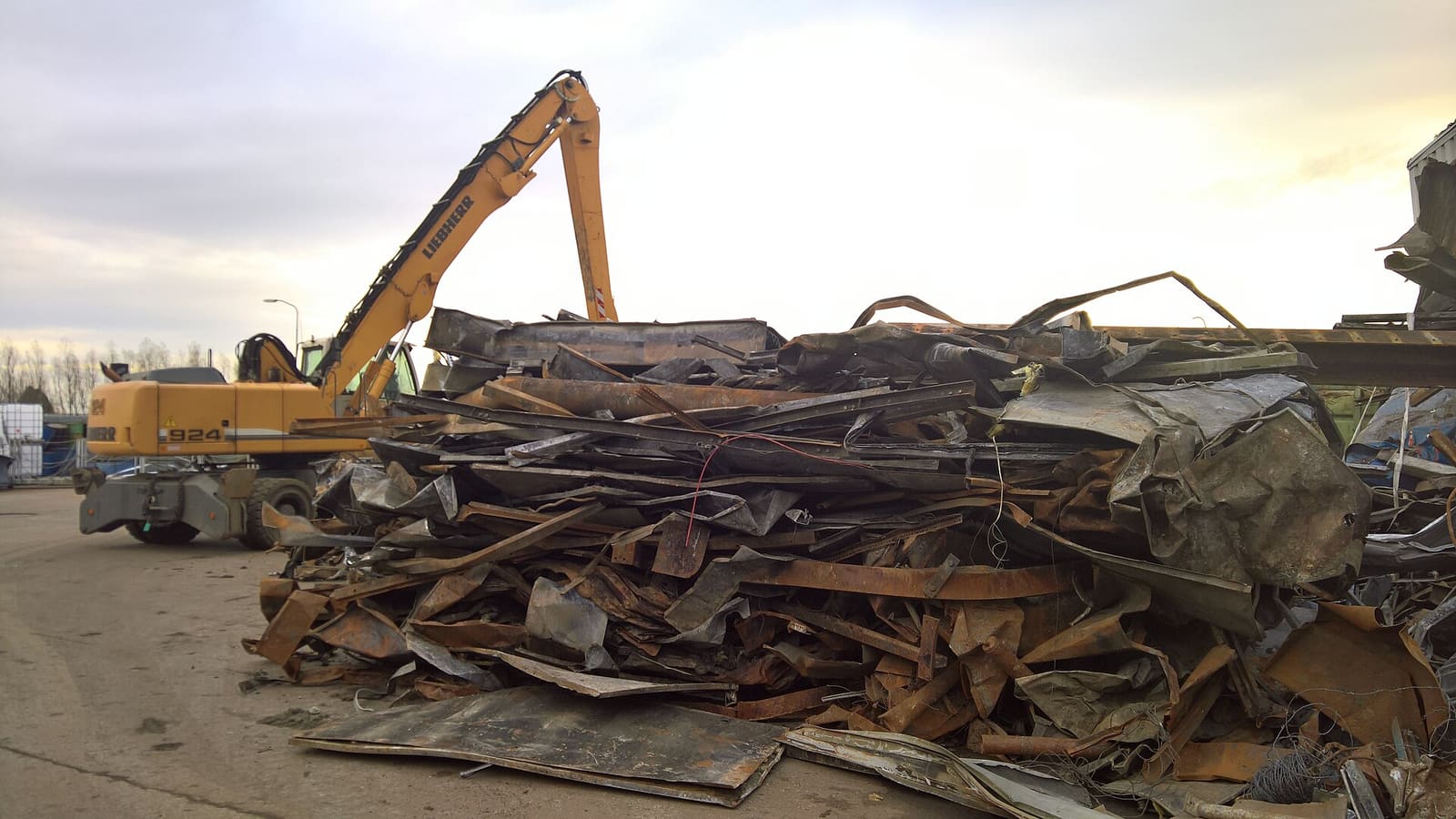
Industrial demolition projects generate vast quantities of composite waste, requiring specialized chemical screening, decontamination, and secure containment protocols. When commercial operators circumvent established domestic treatment pipelines, hazardous fractions—such as heavy metals, chemical residues, and fibrous materials—are easily commingled with inert aggregates. This systematic blending enables illicit actors to falsify cargo manifests, presenting toxic industrial waste as benign civil engineering backfill or recyclable inert materials suitable for unregulated export.
The transport corridors linking major industrial centers across southern France to logistics hubs in Catalonia have historically served as critical arterial routes for cross-border commerce. The physical infrastructure of borderless highway networks, while economically vital, limits routine static inspections, shifting the burden of interdiction onto coordinated intelligence sharing. Law enforcement bodies have repeatedly noted that illicit logistics rings exploit these transit corridors, leveraging transport subcontractors to mask originating liability and obfuscate tracking manifests.
The structural vulnerability is compounded by the jurisdictional boundary itself, which traditionally slows judicial coordination and investigative information exchange. Operating across sovereign legal systems allows organized networks to disperse operational footprints, situating generating sites, shell logistics intermediaries, and illegal disposal points in distinct administrative domains. Coordinated bilateral operations represent a direct structural response to this jurisdictional fragmentation, attempting to match the agility of commercial cross-border operations.
Institutional Actors and Jurisdictional Framework
The interdiction of this cross-border network required simultaneous, synchronized judicial and operational measures executed across multiple regional jurisdictions in both member states. The operational architecture combined specialized environmental policing units, territorial gendarmeries, and centralized intelligence support to target key coordination nodes simultaneously.
Supranational Coordination and Judicial Support
Operational coordination and tactical intelligence analysis were facilitated by Europol, acting under its mandate to support member states in combating serious international and organized environmental crime. The agency provided operational analytical support, real-time data cross-matching, and strategic coordination during the execution phase, enabling investigators to map distributed operational nodes across disparate legal territories.
National and Territorial Enforcement Bodies
Domestic execution on French territory spanned several administrative regions within France, targeting points of origin, logistical staging yards, and corporate administrative premises. French environmental enforcement and territorial police bodies executed entry warrants, coordinated suspect detentions, and secured critical physical and commercial documentation to trace the upstream lifecycle of the diverted demolition materials.
In the southern theatre, judicial and law enforcement interventions were concentrated in the autonomous community of Catalonia within Spain, focusing primarily on urban and peri-urban hubs across Barcelona and its surrounding industrial districts. Spanish territorial authorities targeted the downstream nodes of the network, securing suspected receiving facilities, transit depots, and operational hardware utilized to process and integrate incoming loads into domestic supply streams.
Critical Analysis of Evidence and Operational Scope
Official operational disclosures confirm the execution of a simultaneous action day resulting in the arrest of four individuals implicated in organizing the transboundary transport pipeline. The judicial narrative established by the interdicting agencies characterizes the enterprise as an organized network dedicated to the unlawful movement of toxic demolition debris across state lines.
“Suspects are believed to have transported tonnes of demolition waste from France to Spain, posing serious risks to public health and the environment.”
The primary physical evidence seized during simultaneous searches across French regions and the Barcelona metropolitan area included extensive commercial documentation alongside large quantities of electronic hardware and digital communication devices. These digital repositories represent crucial forensic assets required to reconstruct chain-of-custody data, billing discrepancies, transport schedules, and corporate intermediary agreements that obscured the physical movements of the fleet.
The Evidentiary Mechanics: Cargo Misclassification and Route Laundering
The investigative records indicate that the underlying operational methodology relied on the systematic misdeclaration of hazardous construction debris as non-hazardous inert commercial aggregate. By concealing the actual toxicological profile of the demolition waste, the network bypassed specialized disposal fees and environmental compliance audits at the point of origin, generating substantial illicit profit margins derived from cost avoidance.
This cost-arbitrage model functions through route laundering, where hazardous materials undergo superficial handling or documentary re-invoicing at intermediate transit yards before crossing state lines. The physical movement of multiple tonnes of composite material through public transit arteries poses acute risks of environmental exposure through particulate dispersion and improper containment during prolonged transit.
Analytical Limitations and Open Investigative Questions
While the operational intervention neutralized the immediate logistics coordination cell, the documented evidence leaves several structural aspects of the enterprise open to deeper forensic inquiry. The published material confirms four arrests but does not publicly identify the industrial demolition sites in France that generated the hazardous material, nor does it quantify the upstream corporate entities that initially contracted the disposal services.
Furthermore, critical questions remain regarding the terminal destination of the hazardous shipments. The official records do not specify whether the diverted tonnage was deposited in unpermitted rural landfills, blended into legitimate infrastructure reclamation projects, or stored indefinitely in intermediate staging sites around Barcelona. Determining the precise chemical composition and total historical tonnage moved prior to law enforcement interdiction remains essential to assessing long-term soil and water table contamination risks.
Systemic Vulnerabilities in Transboundary Material Tracking
The case underscores a persistent systemic gap between commercial self-regulation and physical waste tracking across internal European borders. Current oversight mechanisms rely extensively on paper-based consignment notes and periodic administrative audits, which sophisticated criminal networks can systematically falsify through coordinated corporate shell entities and falsified technical waste classifications.
Without mandatory real-time digital tracking, automated geochemical screening at critical transit chokepoints, and harmonized cross-border liability registries, the structural price differential between legitimate hazardous processing and illicit dumping will continue to incentivize organized commercial non-compliance. Transboundary environmental crime operates as an economic arbitrage strategy that exploits systemic enforcement fragmentation.
Transparency, Regulatory Sourcing, and Legal Framework
The factual foundation of this dossier is derived exclusively from official public communications and institutional operational releases published by the European Union Agency for Law Enforcement Cooperation (Europol). The source documentation reflects verified inter-agency operational milestones concerning high-level environmental crime investigations within the European Union.
Access and editorial reuse of this institutional data are governed by the provisions of Commission Decision 2011/833/EU on the reuse of Commission documents, which establishes transparency and public access rights regarding official European institutional archives. The source material can be consulted via the official Europol media repository: Europol Press Release: French-Spanish operation targets hazardous waste trafficking network: four arrested.
In alignment with investigative transparency standards, this archive records only facts substantiated by the direct institutional disclosures of the operating authorities. All operational determinations, suspect counts, regional distributions, and evidence descriptions adhere strictly to verifiable judicial milestones released under European public access frameworks.