
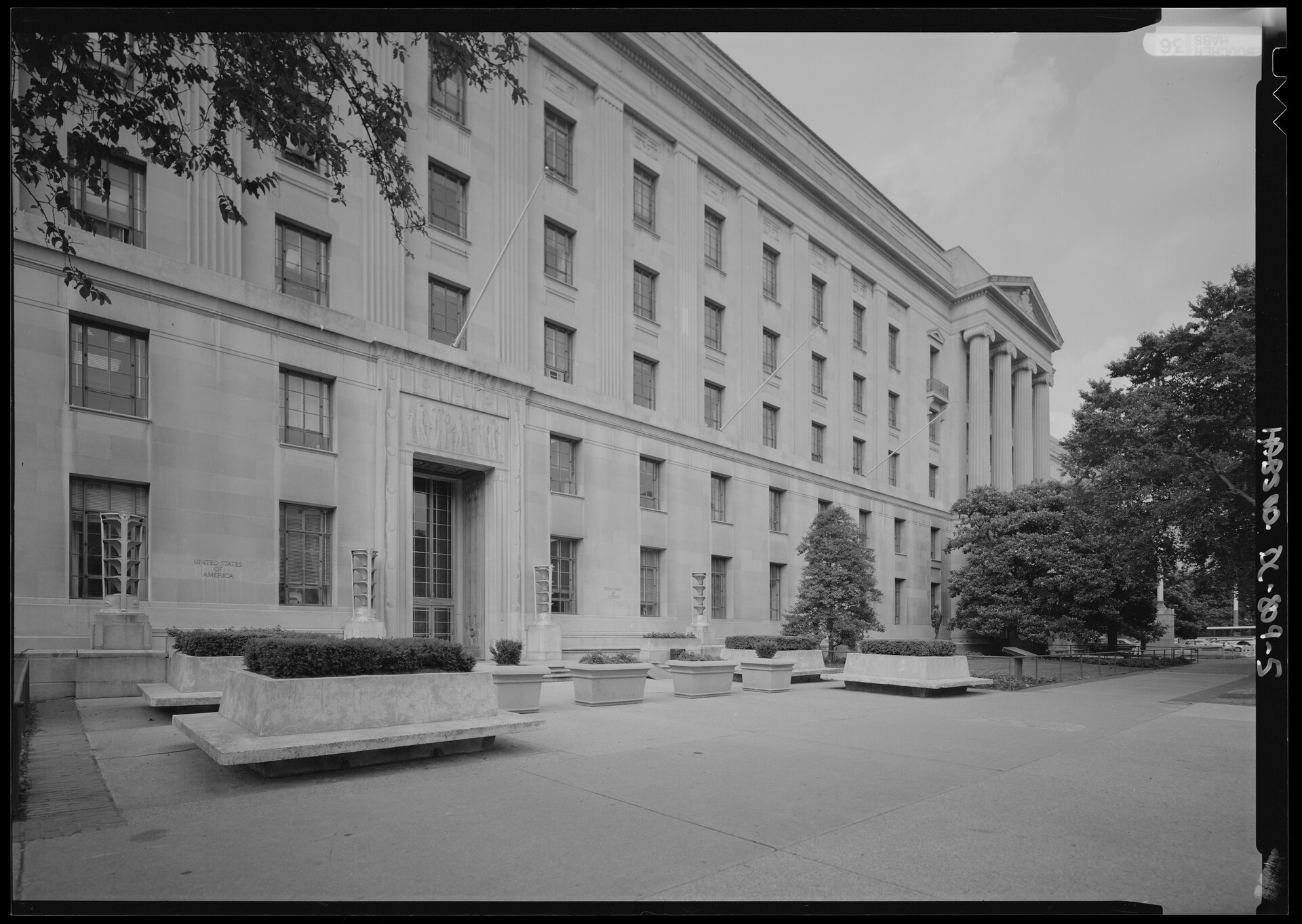
Executive Summary and Public Interest
The initiation of an internal review across the United States Department of Justice regarding the handling of illicit fentanyl operations marks a pivotal moment for federal law enforcement accountability. Federal investigators frequently operate under high-stakes tactical environments where actionable intelligence regarding substance transport and storage directly intersects with public safety hazards. This institutional evaluation establishes an official mechanism to assess how investigative priorities are balanced against the urgent mandate to neutralize lethal chemical distribution networks.
Public interest in federal narcotics enforcement rests upon the expectation that operational strategies actively minimize public exposure while systematically dismantling trafficking organizations. When federal components possess specific, identifiable information regarding controlled substances in transit or at designated facilities, operational timing becomes a core factor in mitigating acute community risks. The scrutiny applied by independent oversight structures ensures that law enforcement discretion remains bounded by codified standards and rigorous procedural documentation.
Understanding the internal mechanisms that govern when to execute an interdiction or when to defer enforcement action is vital for maintaining institutional credibility. The formal examination into whether risk mitigation protocols are consistently executed across distinct operating divisions provides unprecedented clarity on federal administrative workflows. This investigative dossier reviews the announced parameters, institutional scope, and operational dilemmas underlying federal narcotics oversight.
Historical Context and Enforcement Dynamics
Over recent operational cycles, federal law enforcement has increasingly confronted synthetic opioids, requiring a structural recalibration from traditional narcotics interdiction models to specialized tactical protocols. Illicit fentanyl and its chemical analogues, categorized under federal regulatory frameworks such as 21 C.F.R. § 1308.11(h)(30)(i), exhibit potency profiles that fundamentally alter the operational calculus of physical surveillance and interdiction. Traditional investigative tradecraft often prioritized prolonged observation to map hierarchical distribution networks, yet synthetic substances introduce severe, immediate contamination and distribution hazards.
The administrative evolution of federal enforcement strategies reflects ongoing tension between long-term intelligence gathering and immediate tactical disruption. Historically, federal agencies have maintained operational leeway to determine the precise juncture at which to execute seizures, execute search warrants, or arrest target figures. However, the extreme potency of synthetic analogues has intensified administrative debates over whether extended operational deferrals remain viable when specific substance locations and movements are verified by field agents.
Past investigative operations across multiple jurisdictions have highlighted the complexities of multi-agency coordination during synthetic opioid tracking. Prior federal operations, including historical casework in regional environments such as New Mexico, demonstrated how localized operational friction and distinct interagency mandates can complicate the execution of timely risk mitigation strategies. Evaluating multi-year enforcement patterns allows oversight authorities to identify systemic vulnerabilities in operational decision-making across disparate field offices.
Federal oversight structures established under post-Watergate statutory frameworks were specifically designed to assess whether field practices align with formal institutional guidance. As synthetic chemical tracking expanded across specialized task forces, coordinating policies between central department leadership and field components became increasingly intricate. The current oversight review represents an institutional effort to establish whether legacy interdiction frameworks have adapted adequately to the distinct operational realities posed by synthetic compound trafficking.
Institutional Actors and Administrative Entities
The formal review involves several key entities within the federal law enforcement apparatus, each exercising distinct statutory authorities and operational responsibilities across the investigative lifecycle.
Office of the Inspector General
The DOJ Office of the Inspector General operates as the principal independent oversight body within the Department of Justice, authorized under the Inspector General Act of 1978 to conduct audits, inspections, and special reviews. The office maintains administrative independence from operational divisions, ensuring that its findings regarding policy compliance, risk assessment implementation, and command decisions are conducted without operational interference.
Criminal Division and Policy Leadership
The United States Department of Justice Criminal Division functions as the central coordinating authority for federal criminal prosecutions, developing uniform prosecutorial guidelines, operational protocols, and cross-district enforcement strategies. In high-level narcotics investigations, the Criminal Division provides essential legal instructions and tactical oversight, mediating between investigative priorities and statutory compliance requirements.
Drug Enforcement Administration and Field Components
The Drug Enforcement Administration serves as the primary federal agency charged with enforcing controlled substances legislation, deploying specialized field agents, intelligence analysts, and regional task forces. Alongside partner bureaus including the Federal Bureau of Investigation and the Bureau of Alcohol, Tobacco, Firearms and Explosives, the DEA directly confronts the operational dilemmas associated with tracking, monitoring, and intercepting illicit fentanyl consignments in real time.
Critical Analysis of the Evidence and Investigative Gaps
The formal announcement of the review establishes precise analytical parameters while leaving critical operational questions to be resolved during the investigative process. The oversight body has explicitly defined the evidentiary boundaries of its inquiry, focusing on instances where federal investigators maintained probable cause or specific knowledge of fentanyl locations:
“The Department of Justice (DOJ) Inspector General announced today the initiation of a review to examine DOJ’s actions in investigations involving the trafficking of substances containing fentanyl, fentanyl analogues, or fentanyl-related substances… when federal investigators have knowledge, specific information, or probable cause to believe that fentanyl will be transported or distributed to or from, or stored at, a specified identifiable location.”
A primary axis of the inquiry centers on the administrative justification for operational delays or decisions to decline interdiction when tactical opportunities arise. In complex conspiracy investigations, field supervisors may consider deferring an immediate seizure to identify upstream supply chains or uncover illicit production infrastructure. However, the oversight review directly interrogates the criteria utilized to balance such speculative investigative gains against the tangible risks of substance dissemination into civilian communities.
Documentation and Command Responsibility
A critical vulnerability in federal law enforcement operations is the potential absence of structured, verifiable documentation when critical tactical decisions are made. The review seeks to determine who holds formal approval authority when field personnel disagree on whether to execute risk mitigation actions. Without standardized reporting mechanisms, institutional accountability becomes fragmented, obscuring the command chain responsible for permitting hazardous substances to remain in circulation during ongoing surveillance operations.
“Among other things, this review will seek to determine whether and how DOJ personnel evaluate and implement risk mitigation strategies, including interdiction, in investigations involving fentanyl trafficking; whether and why any risk mitigation strategies, including interdiction, are delayed or declined; who makes and approves such decisions… and whether DOJ personnel conduct any after-action reviews.”
The scope of the investigation also targets the presence or absence of mandatory after-action reviews following major operational phases. After-action analyses represent the foundational administrative tool for assessing tactical efficacy, identifying operational errors, and reforming training regimens. If federal components routinely omit structured post-operational assessments, systemic procedural failures can propagate across jurisdictions without corrective administrative intervention.
Scope Limitations and Evaluative Standards
The oversight body has formally circumscribed its evaluative role, affirming that it will not substitute its own tactical or legal judgment for the discretionary determinations made by operational personnel in the field. This standard maintains the necessary operational latitude required by law enforcement while focusing investigative scrutiny strictly on policy compliance, structural risk assessments, and documentation fidelity. The primary focal window covers a two-year operational baseline, supplemented by historical casework from New Mexico to establish longitudinal context.
Significant analytical questions remain unanswered pending the release of the final public report. The announcement does not disclose the specific number of past operations under review, the aggregate volume of synthetic substances involved in disputed interdiction deferrals, or the internal identities of units subject to initial scrutiny. These factual elements will define whether the review uncovers isolated procedural variances or systemic policy deficiencies within federal enforcement structures.
Transparency, Statutory Mandate, and Legal Basis
The institutional authority for this administrative inquiry derives directly from the Inspector General Act of 1978, as amended, which codifies the mandate of federal inspectors general to conduct objective reviews of agency programs and operations. Under this statutory framework, the oversight body possesses broad access to internal records, memoranda, communications, and personnel testimony across all constituent divisions of the Department of Justice.
In adherence to transparency provisions established by federal statute, the findings resulting from this operational review will culminate in a comprehensive public report. The dissemination of these findings ensures that legislative oversight bodies, judicial officers, and the public can evaluate the efficacy and safety of federal investigative standards. Public reporting functions as a vital mechanism to deter administrative complacency and ensure that internal guidance is continuously aligned with evolving enforcement challenges.
This dossier is compiled from official federal documentation published by the Department of Justice Office of the Inspector General, accessible via public records at DOJ OIG News Archives. In accordance with 17 U.S.C. § 105, works prepared by officers or employees of the United States Government as part of their official duties exist within the public domain, guaranteeing open civic access to primary administrative records and oversight disclosures.