
Executive Lead: The Public Order Infrastructure Under Structural Strain
Official public order records from 2011 document a pivotal shift in the operational management of domestic dissent, major infrastructure security, and international counterterrorism coordination across Italy. The institutional tracking of these deployments reveals how state security bodies balanced extensive domestic labor unrest and territorial protests against emerging transnational security alerts.
Understanding the logistical and legislative mechanisms deployed during this cycle provides critical insight into the modern evolution of preventive policing, public order legislation, and inter-agency intelligence protocols that continue to govern public assemblies and critical infrastructure protection today.
Historical and Geopolitical Context
The year 2011 presented a complex convergence of domestic socioeconomic tensions and volatile international security developments. Domestically, labor and occupational disputes resulted in 3,485 monitored protest events nationwide, reflecting widespread industrial friction during an acute phase of national economic restructuring.
Concurrently, the infrastructure sector became a focal point of sustained social conflict in northern Italy. The activation of construction operations in the Susa Valley galvanized the NO-TAV movement, triggering intense protest initiatives that began on Monday, June 27, 2011, and culminated in a national demonstration on Sunday, July 3, 2011. Later that winter, from December 8 to December 11, 2011, another major general mobilization took place in the valley to mark the anniversary of the 2005 Venaus events.
On the international front, geopolitical volatility required heightened domestic surveillance. Following the death of Al-Qaeda leader Osama Bin Laden, an urgent intelligence meeting was convened on May 2, 2011, to evaluate potential retaliatory operations by Islamic extremist networks against Western and national targets.
Simultaneously, the strategic posture of domestic counterterrorism monitored the evolution of informal militant networks. While structured Marxist-Leninist organizations registered no claimed or attributable attacks during 2011, informal insurrectionary anarchist currents maintained operational continuity, influenced by appeals issued in November 2010 and January 2011 by the Greek militant group Conspiracy of Fire Cells calling for an international network of individualities. This dynamic culminated on the morning of December 9, 2011, when a parcel bomb detonated inside an Equitalia office, injuring the director general.
Operational Actors and Institutional Entities
The operational framework documented in official records involves several key state institutions, specialized security committees, and monitored collective entities:
- Polizia di Stato: The primary civilian state police agency responsible for overall territorial public order coordination, investigative operations, and tactical deployments.
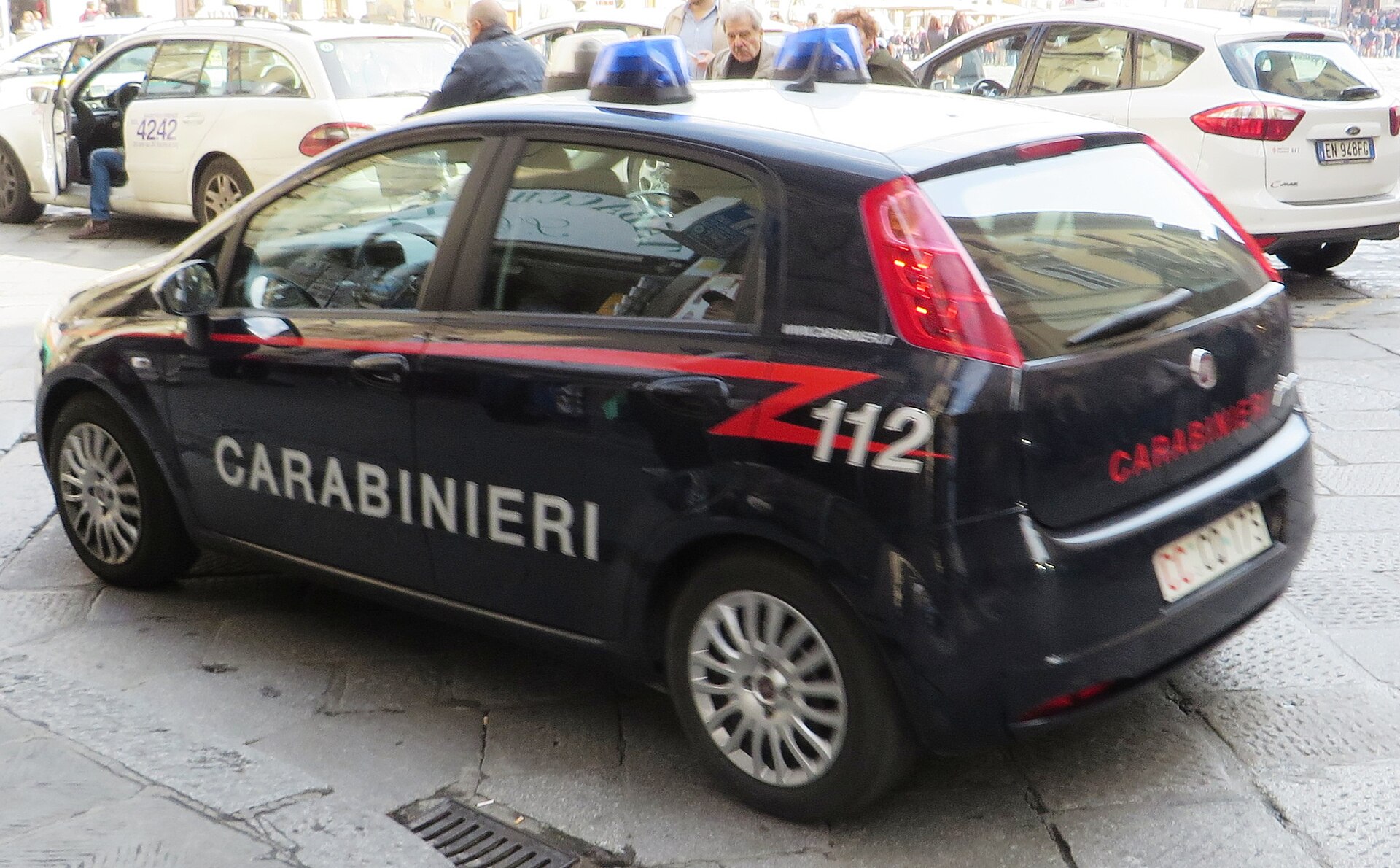
- Arma dei Carabinieri: The national gendarmerie force operating under joint defense and interior responsibilities, providing primary reinforcement units and territorial control.
- Guardia di Finanza: The militarized fiscal and border police agency tasked with targeted surveillance, checkpoint enforcement, and public security support.
- Corpo Forestale dello Stato: The environmental policing corps integrated into territorial containment details during rural and mountainous operational tasks.
- Ministero dell’Interno: The central ministry overseeing public security coordination and the administrative architecture codified under anti-mafia statutory revisions.
- Comitato di Analisi Strategica Antiterrorismo (CASA): The joint strategic counterterrorism analysis committee uniting intelligence services and police branches, placed in permanent session from March 18 to November 10, 2011.
- Conspiracy of Fire Cells: The Greek militant entity whose ideological communiqués influenced international anarchist networks and targeted mailing campaigns.
- Equitalia: The public tax collection agency whose Rome offices were targeted by a letter bomb attack on December 9, 2011.
Critical Evidence Analysis: Resource Allocation and Threat Metrics
A rigorous examination of deployment metrics reveals the sheer scale of territorial mobilization executed across national jurisdictions in 2011. Throughout the period, administrative directives authorized the movement of 841,353 total reinforcement units across state agencies. The operational distribution consisted of 410,731 units from the Polizia di Stato, 347,767 from the Arma dei Carabinieri, 80,545 from the Guardia di Finanza, and 2,310 from the Corpo Forestale dello Stato.
«In tali circostanze, 81 persone sono state arrestate e 1.190 denunciate in stato di libertà, mentre 484 operatori della Polizia di Stato, 191 Carabinieri, 33 Finanzieri, 1 operatore del Corpo Forestale, 1 Vigile Urbano e 122 civili hanno riportato lesioni varie.»
The public order fallout resulted in 81 arrests and 1,190 judicial denunciations in a state of liberty. Physical casualties among state personnel were substantial: 484 Polizia di Stato officers, 191 Carabinieri, 33 Guardia di Finanza personnel, 1 Corpo Forestale member, and 1 local police officer sustained documented injuries, alongside 122 injured civilians.
The Susa Valley Containment Envelope
Territorial reinforcement data demonstrates a targeted geographic concentration in the province of Turin between June 27 and December 31, 2011. Over this six-month timeframe, the provincial public security authority received 116,256 total reinforcement units. This dedicated force comprised 47,978 Polizia di Stato officers, 47,978 Carabinieri personnel, 18,760 Guardia di Finanza members, and 1,540 officers of the Corpo Forestale dello Stato.
Complementing police reinforcements, military assets provided perimeter security under domestic security mandates. The deployed military contingent stood at 275 personnel from January 1 to September 30, 2011, before being adjusted to 230 troops from October 1 to December 31, 2011. The parallel deployment of four separate police bodies alongside military contingents highlights the unprecedented operational concentration required to maintain work site access.
Stadium Security and Crowd Management Trends
In contrast to the escalation seen in territorial infrastructure protests, sports crowd management exhibited a marked decrease in human resource expenditure. During 2011, authorities monitored 2,900 football matches: 375 Serie A fixtures, 473 Serie B matches, 1,426 Lega PRO First and Second Division games, 30 international events, and 596 fixtures across lower categories.
The overall deployment of reinforcement personnel for sports matches dropped significantly from 94,514 units to 67,081 units. While tear gas deployment rose slightly across 11 monitored encounters (an increase of 10% relative to 2010), general conflict indicators trended downward: civilian injuries decreased by 8.7% to 136, arrests dropped by 32.6% to 163, and individuals denounced in a state of liberty fell by 26.8% to 878.
Counterterrorism Operations and Strategic Threat Alerts
The counterterrorism theater maintained continuous operational vigilance. CASA examined 195 specific threat alerts during 2011, categorizing 102 as direct concerns to Italian territory or national interests abroad, and 93 involving Western partner nations or moderate Arab states with potential secondary domestic repercussions.
Surveillance focused on religious extremism networks resulted in security inspections of 5,402 sensitive targets and the identification of 20,746 individuals. These targeted checks culminated in 52 arrests and 42 administrative deportation orders executed under public security provisions.
Archival Transparency and Legal Framework
The primary legal architecture governing these security reports is grounded in the Italian Code of Anti-Mafia Laws (Legislative Decree September 6, 2011, n. 159). Article 109 of this consolidated code directly incorporated the statutory obligations previously established under Article 5 of Decree-Law October 29, 1991, n. 345, converted into Law December 30, 1991, n. 410.
This framework mandates an annual structured presentation to Parliament consisting of two comprehensive parts: an overarching evaluation of public order and national security, followed by a detailed operational analysis of organized crime and foreign illicit organizations active across Italy.
In accordance with Italian Law n. 633/1941, Article 5, the official texts of acts and reports issued by the State and public administration are excluded from copyright restrictions and belong to the public domain. The complete source document is cataloged within the institutional archive of the Italian Ministry of the Interior: Relazione al Parlamento Anno 2011 (interno.gov.it).