
Public Interest and Administrative Mechanics
Official records published by federal enforcement agencies capture the operational frontline of economic statecraft and cross-border financial interdiction. These regulatory actions mandate the blocking of property, freeze asset pipelines, and prohibit transactional engagement with targeted entities across multiple jurisdictions.
Understanding the cadence and scope of these updates is vital for tracking how executive authority enforces foreign policy, counters narcotics and terrorism networks, and applies jurisdictional pressure. Every published revision signals an active realignment of compliance obligations for global financial institutions.
The administrative paper trail serves as verifiable evidence of how statutory blocking orders and regulatory adjustments materialize in practice. By scrutinizing these regulatory releases, public oversight can assess the real-time mechanics of sovereign economic measures.
Historical and Geopolitical Context
The institutional framework governing federal sanctions relies on statutory authorities that empower administrative agencies to isolate illicit networks and hostile actors from the international financial system. Over decades, this regulatory posture has expanded from traditional sovereign embargoes into targeted sectoral and thematic regimes.
Recent administrative entries reveal the concurrent operation of multiple sanctions programs addressing both geographic and functional domains. Functional programs focus specifically on counter-narcotics and counter-terrorism, targeting clandestine financing channels that operate across international borders without formal state borders.
Geographic programs documented in official updates maintain focused economic pressure on targeted nation-states, including Iran, Cuba, Venezuela, Russia, and Belarus. Each geographic framework responds to distinct statutory directives, executive determinations, and shifting geopolitical developments.
The inclusion of actions related to the International Criminal Court demonstrates the deliberate expansion of executive designations beyond national jurisdictions into international legal bodies. This underscores how administrative measures are utilized to challenge multilateral proceedings touching domestic or allied interests.
A critical historical mechanism in this regulatory environment is the issuance of general licenses alongside direct asset freezes. General licenses authorize specific categories of transactions that would otherwise be prohibited, establishing controlled exceptions for legal, humanitarian, or transitional activity.
The regulatory cycle also encompasses removals and regulatory amendments, illustrating that administrative blacklists are not strictly permanent. The deletion of counter-narcotics or state-specific designations reflects formal administrative determinations, compliance shifts, or structural revisions in enforcement strategy.
Federal communication protocols emphasize the operational necessity of secure governmental channels to distribute these sensitive compliance directives. Official notices mandate verified digital infrastructure to prevent the interception, spoofing, or manipulation of sovereign financial directives.
Targeted Entities and Institutional Actors
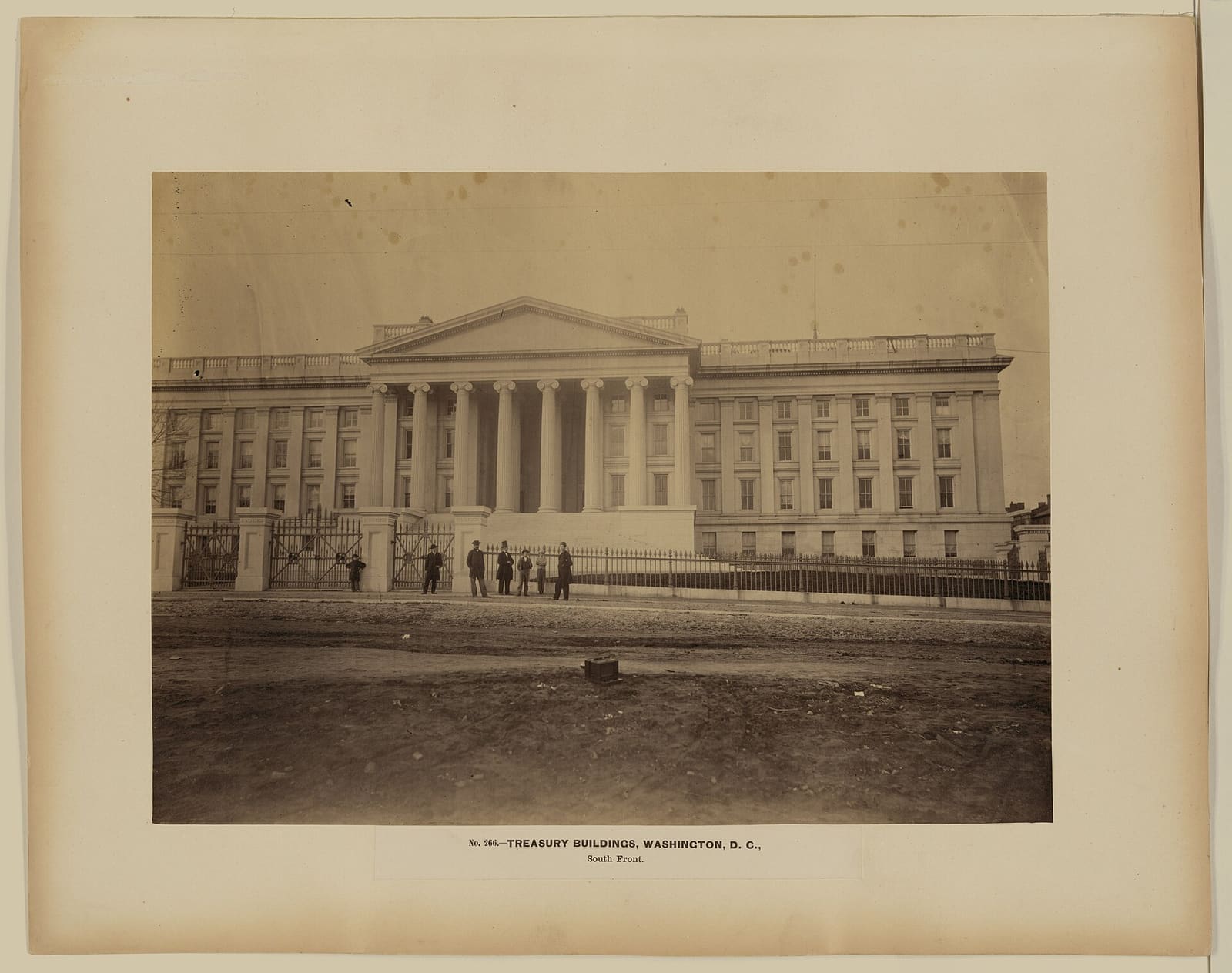
The operational apparatus is anchored by the Office of Foreign Assets Control, a specialized agency operating under the authority of the United States Department of the Treasury. This entity formulates, publishes, and enforces statutory designations and regulatory amendments across all active programs.
Within the thematic programs, designated targets encompass entities and individuals tied to illicit counter-narcotics operations and international counter-terrorism financing networks. These designations freeze all underlying assets subject to domestic jurisdiction and prohibit correspondent banking access.
Geographic regimes involve distinct state jurisdictions, prominently featuring executive measures targeted at the Government of the Islamic Republic of Iran, alongside sovereign measures directed at programs in Cuba, Venezuela, Belarus, and the Russian Federation.
The regulatory records also identify international jurisdictional bodies, specifically targeting operations connected to the International Criminal Court. Designations and corresponding general licenses in this arena indicate direct administrative engagement with international tribunal personnel and proceedings.
Regulatory recipients include global banking entities, commercial brokerages, and compliance officers who must interpret these administrative updates. The scope of published actions directly alters the legal obligations and exposure of all intermediaries handling foreign transactions.
Critical Analysis of the Evidence
An examination of the update entries highlights a continuous cycle of enforcement, amendment, and selective administrative relief across diverse regulatory portfolios. The official record demonstrates that economic interdiction operates simultaneously as a coercive instrument and a flexible administrative mechanism.
The documentation explicitly pairs restrictive blocking orders with mitigating administrative instruments, notably general licenses and frequently asked questions. For instance, entries record counter-narcotics and counter-terrorism measures alongside Russia-related general licenses and Cuba-related general licenses.
“Counter Narcotics, Counter Terrorism, Cuba-related, and Iran-related Designations; Issuance of Russia-related General License; Issuance of Associated Frequently Asked Questions”
This structural pairing proves that the administrative framework is calibrated to inflict targeted economic isolation while preserving specific carve-outs through formal general licenses. Regulatory guidance published via associated questions clarifies the legal boundaries of prohibited transactions for compliance entities.
The evidence also illustrates targeted actions concerning international bodies, showing a deliberate deployment of blocking orders accompanied by tailored licensing relief. Such entries reveal the administrative maneuvering required when applying sanctions to international institutional environments.
“International Criminal Court-related Designations; Venezuela-related Designation; Issuance of International Criminal Court-related General License”
The concurrent listing of a designation and a general license for the same institutional focus exposes the complexity of these measures. While the designation imposes asset freezes and prohibitive bars, the general license establishes specific parameters under which interaction remains authorized.
Furthermore, the data documents instances of designation removals across both thematic and sovereign regimes. Recent notices explicitly record counter-narcotics designation removals and a Belarus-related designation removal.
“Counter Terrorism and Iran-related Designations; Counter Narcotics Designations Removals; Issuance of Amended Iran-related Frequently Asked Question”
These removals underscore that sanctions lists are dynamic rather than purely cumulative registers. However, the published updates do not disclose the underlying evidentiary dossiers or administrative petitions that led to these specific de-listing decisions.
The updates also confirm regular technical revisions to existing regulatory frameworks through the publication of regulatory amendments and amended interpretive guidance. Programs concerning Venezuela, Iran, and Russia frequently receive updated frequently asked questions and amended general licenses.
“Iran-related Designations; Issuance of Amended Russia-related General License and Frequently Asked Questions; Issuance of Amended Venezuela-related Frequently Asked Question; Publication of Regulatory Amendments”
What the official public notices do not provide are the underlying investigative materials, confidential intelligence assessments, or specific monetary balances frozen by designated entities. The records report the administrative determinations and regulatory outcomes, leaving operational intelligence pathways redacted from public view.
The presence of simultaneous actions across multiple disconnected geographic regions suggests centralized administrative processing cycles within the Treasury Department. Enforcement entries across counter-terrorism, Cuba, and Belarus are frequently bundled into single regulatory releases.
“Counter Terrorism Designations; Counter Narcotics Designations; Cuba Designations; Belarus-related Designation Removal; Issuance of Cuba-related General Licenses”
The structural reliance on technical notices places the burden of interpretation directly upon private sector compliance infrastructure. Financial institutions must continuously parse the legal interplay between designations, license scopes, and regulatory amendments.
Transparency, Source Verification, and Legal Basis
The evidentiary base for this dossier is drawn directly from public administrative registers maintained by the federal government. The underlying source document is the official compilation of regulatory updates published by the Treasury Department.
Public dissemination of these lists is governed by federal administrative transparency and public disclosure standards. Under the provisions of 17 U.S.C. § 105, official government works and regulatory texts remain in the public domain, enabling independent review and scrutiny.
The verification of official information is reinforced by structural digital security warnings embedded within the public-facing portals. The publishing authority explicitly notes the technical criteria required to ensure authenticity and encrypted transmission when accessing public records.
“Federal government websites often end in .gov or .mil. Before sharing sensitive information, make sure you’re on a federal government site.”
A second administrative notice confirms the technical framework used to safeguard communication channels between the public and government servers. This mechanism ensures data integrity across administrative regulatory publications.
“ensures that you are connecting to the official website and that any information you provide is encrypted and transmitted securely.”
The verified records remain accessible to researchers, legal analysts, and the public via the official repository at the Treasury Sanctions List Updates Repository. Continuous monitoring of these primary administrative records provides an indispensable foundation for assessing executive actions and international economic policy.