The massacres commission’s report on Gladio, approved in April 1992: a network set up with the CIA in 1956, turned to domestic intelligence and hidden from Parliament. And the three dissenting notes that challenge its beginnings, its scope and its link to the massacres. Today the papers are in the Central State Archives.
Exclusive Investigation
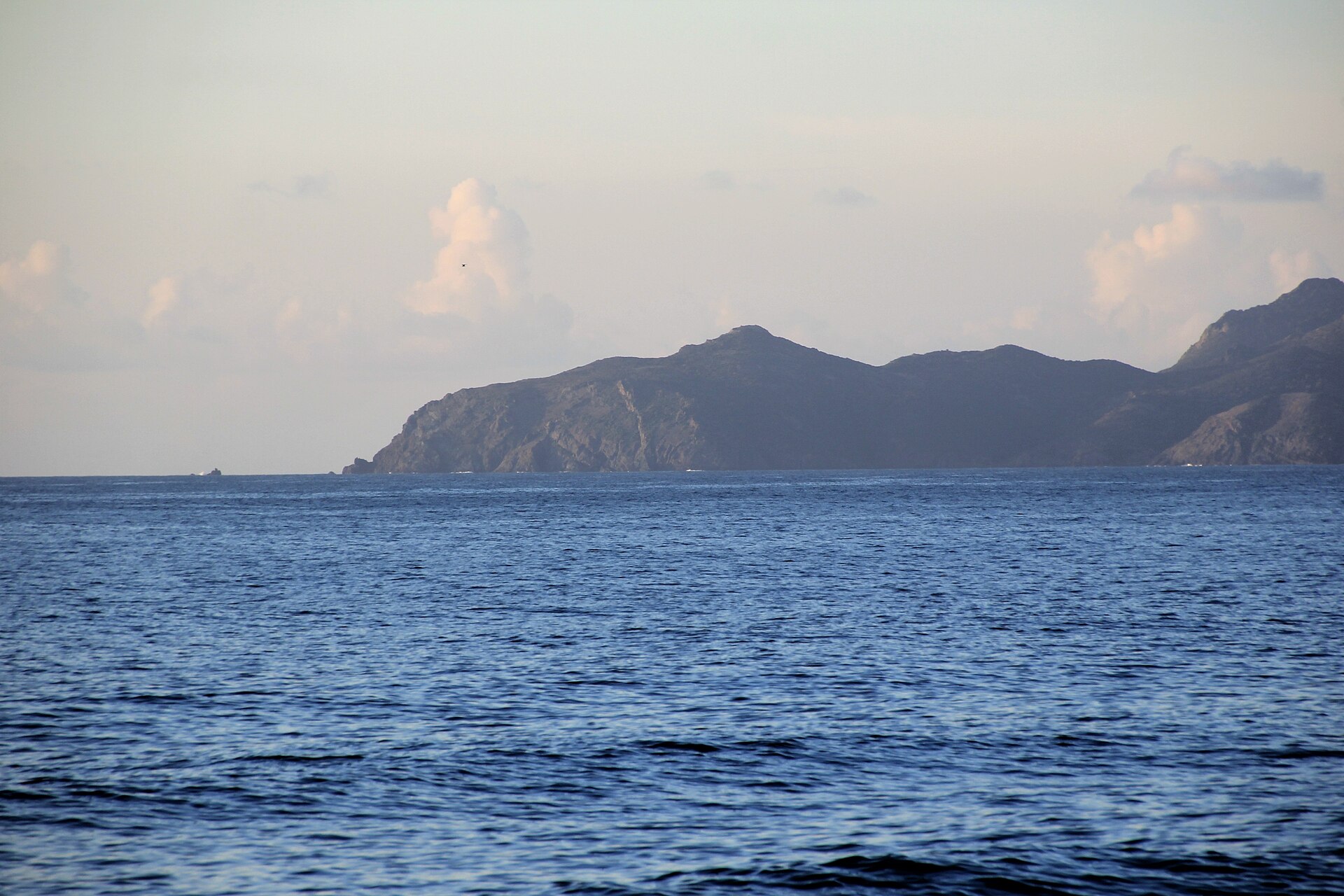
Capo Marrargiu, nel territorio di Bosa, visto dal mare.Secondo la relazione della Commissione stragi, nel 1954 i lavori della base di Capo Marargiu furono avviati con il finanziamento della CIA, su terreni acquistati dal 1953.Photo: Gianni Careddu, CC BY-SA 4.0, via Wikimedia Commons
📁 Case File & Evidentiary RecordsUnclessify Exclusive
Declassified records, court filings, and official evidentiary exhibits analyzed exclusively by Unclessify Intelligence.
Share:
🎙️ Listen to Dossier·~141 min listening
Gladio, a divided verdict: what Italy’s Parliament found in 1992, and where the massacres inquiry split
Accessible investigative audio briefing for mobile readers and researchers.UNCLESSIFY AUDIO FORENSICS
Full Investigative Article
On April 22, 1992 the chairman of the massacres inquiry commission, Senator Gualtieri, writes to the Presidents of the two Chambers of Parliament: to Giovanni Spadolini for the Senate, to Leonilde Iotti for the Chamber of Deputies. At its sitting of April 14 and 15, he writes, the commission approved the reports on its inquiries: the latest developments in the Moro case, the Ustica air disaster, terrorism in Alto Adige and Operation Gladio. For Gladio, according to the letter, the commission decided to publish three supplementary notes as annexes: one by Deputy Zamberletti and Senators Bosco, Graziani and Leonardi, one by Deputy Buffoni, one by Deputy Cicciomessere. And there is one last line that weighs more than the others. Fourteen documents cited in the body of the report are an integral part of it, Gualtieri writes, but they will be sent only once the constraint of investigative secrecy has lapsed.
The report opens with a definition that was bound to stick. Gladio, the commission writes, was not so much a secret structure as a secret: “A secret that the Italian state shared with other states, and that at some point became entirely its own.” According to the report, the Gladio affair lasted forty years, and in those forty years there were forty governments and twenty prime ministers. That is the first fact to bear in mind: whoever knew, knew within a chain of forty governments, and whoever did not know was kept out by someone else’s choice. When, in October 1990, the veil of secrecy was lifted by Prime Minister Andreotti, the commission goes on, it seemed to concern little more than 600 men waiting for an invasion from the East that was ever less likely. “Things, however, were very different,” the report writes, closing the passage.
The secret did not fall because the government spontaneously chose to reveal it, but because of a commitment demanded in the Chamber. According to the commission’s reconstruction, on August 2, 1990, at a sitting of the Chamber devoted to the Bologna station massacre, Prime Minister Andreotti accepted a motion by Deputies Quercini, Tortorella, Violante and others. The motion committed the government to inform Parliament within 60 days, according to the text quoted in the report, of the existence, characteristics and purposes of “a parallel and hidden structure that allegedly operated inside our military secret service with the aim of conditioning the country’s political life.” The following day, August 3, 1990, Andreotti was heard by the commission and, according to the words quoted in the report, stated: “On the basis of what the services have told me, those activities continued until 1972, after which it was considered that they were no longer needed.”
On October 18, 1990 the Prime Minister sent the commission the promised document, entitled, the report writes, “The so-called parallel SID - the Gladio case.” “It thus emerged that the activities the Prime Minister believed had been abandoned in 1972 were still going on,” the commission writes. For the report there is a contradiction between the statement of August 3, according to which the structure had been stood down in 1972, and the document of October 18, which admitted that in 1990 it was still active and operational. The most likely explanation, according to the commission, lies in the documents Andreotti had requested from the Chief of the Defence Staff, rather than from the directors of the services or from CESIS: those papers, it writes, contained elements that lent themselves to a minimising reading of Gladio after 1972. In two and a half months, then, the government’s account changes: and it changes because the source the government turns to changes.
According to the report, on August 8, 1990 the director of SISMI, Martini, issued a circular directing the Gladio organisation towards the fight against drugs. On November 27, 1990 the Prime Minister decreed its dissolution, and on February 26, 1991 he did not renew Admiral Martini’s appointment: that, the commission writes, is where the history of Gladio ends. By orders of December 21 and 22, 1990, the Rome public prosecutor’s office seized the Gladio documents held in SISMI’s archives, and then made them available to the commission. From that moment, the parliamentary inquiry works on papers that the judiciary has already taken.
How many were there? According to information supplied by the services to the Prime Minister’s Office and passed on by the Office to the commission, at the time of the dissolution Gladio had 622 members, 45 of whom had died: according to the same note, 408 in the cells and 214 in the rapid-deployment units. But the report also writes that the recruitment procedure was started for 1,915 names, with a negative outcome in two thirds of cases, and that a detailed file was kept on each of those not recruited in the archive of the 7th Division. According to the same note, the deployable strength averaged 230-250 men over the years. It remains to be explained, the commission writes, how 127 of the 622 were enrolled before the necessary background checks had been made; and for 24 names the referral, and in some cases appointment as a full member, went ahead even though these were people who had belonged to fascist organisations: the National Fascist Party, the Italian Social Republic, the X Mas.
The verdict comes at the end, and it is the starkest that any body of the Italian Parliament has written on Gladio. In its conclusions the commission writes: “There is no justification for Gladio.” And it adds, according to the text, that there is none: “Neither at the beginning nor at the end.” On the contrary, for the commission its dangerousness and its illegitimacy grew with the passing years, and it is time for those responsible for the long deception to be punished, as the last line of the report puts it. But not everyone signs that line in the same way. The three annexed notes, according to the covering letter, were published by decision of the commission. Read together, they split the report along a precise line: not so much over what happened after 1977 as over how to judge the beginnings, the 1950s and the relationship with NATO.
The commission’s method is set out, according to the report’s table of contents, in a chapter entitled “Periodise in order to judge.” According to the report, Gladio underwent at least four transformations over the years, and its legitimacy, the commission writes, must be demonstrable at any moment of its history, not just once. That is why, according to its table of contents, the report devotes a chapter to progressive constitutional illegitimacy and one to political control over Gladio. And it is precisely over this method, whether to judge each phase by the standards of its time or by the standard of the law, that the commission’s members would divide.
For this article we read in full the report on Operation Gladio by the parliamentary commission of inquiry into terrorism in Italy and the reasons why those responsible for the massacres were not identified, document XXIII number 51 of the 10th legislature, together with the three supplementary notes annexed to it. To follow what happened to the papers it describes, we read the Central State Archives’ summary of transfers updated to October 20, 2025, and the 2023-2024 report of the Prime Minister’s Office advisory committee on declassification: two issuers distinct from the commission, which independently confirm where the documents ended up. We did not obtain the report on Operation Gladio by the parliamentary committee on the intelligence services, which the notes cite: we refer to it only through what the commission’s members write about it. The records are listed in the case file at the bottom of the page.
1951 to 1966: the birth of a network
According to the commission’s reconstruction, on October 8, 1951 the head of SIFAR, General Umberto Broccoli, sent the Chief of the Defence Staff, General Efisio Marras, a memorandum entitled “Intelligence and operational organisation in national territory liable to enemy occupation.” According to the head of SIFAR, the report writes, in the event of occupation a resistance network had to be ready for immediate activation, capable of gathering intelligence and sabotaging the occupier’s installations, and of opening escape routes for soldiers left behind enemy lines. According to the plan described in the report, the network was to number no more than 200 men and to be ready at the beginning of 1953. When the allies set up their clandestine planning committee, the commission writes, the Clandestine Planning Committee, established in August 1951, General Broccoli went to Paris on May 7, 1952, but the decision not to join the CPC was communicated to the allies.
In 1953 the acquisition of land for the Capo Marargiu base, near Alghero, began, and in 1954 construction started with CIA funding, the commission writes, under a bilateral agreement between the Italian and US intelligence services. According to the report, the name “Gladio” first appears at the meeting of October 18, 1956 between representatives of SIFAR and the CIA, and the agreement of November 28, 1956 came when the two services had already set out the general outlines of the operation a couple of years earlier. Every official document, agreements, minutes, memoranda, was to be drawn up in two versions, Italian and English, and in no more than four copies, the commission writes. According to the report, besides the “Gladio/1” document, another 111 records from the collection of the operation’s official documents were found among the papers that reached the commission.
In June 1959, according to SIFAR’s first comprehensive report cited by the commission, the clandestine structure was organised into forty operational cells: 6 for intelligence, 10 for sabotage, 6 for propaganda, 6 for escape and evasion, 12 for guerrilla warfare. Alongside the cells, according to the same document, there were five rapid-deployment units with code names: Stella alpina, Stella marina, Rododendro, Azalea, Ginestra. The network, the report writes, had been created for an emergency in NATO countries “caused by internal subversion or by invading military forces.” If Sardinia too had been occupied, the command would have moved to England, to a base already prepared at Idlewood, according to the commission. The word “subversion” would return, more than thirty years later, to the centre of the disagreement among the commission’s members.
In the 1960s about 300 outside members were recruited, the commission writes, and weapons were placed in northern Italy in 139 underground caches, the “Nasco”, stocked with what the United States sent between 1963 and 1969. The turning point, according to the report, came at a meeting on January 26, 1966: the US service’s representative proposed that the joint project steer its activity “towards a programme that can bear fruit even in peacetime,” according to the minutes cited, drawing on the doctrine of insurgency and counter-insurgency. The meeting of January 26, 1966 is the last one recorded in the official Gladio documents, the commission writes. Ten years after the agreement, the network designed for war starts looking for a job in peacetime.
NATO comes later
The point on which the whole dispute over legitimacy would turn is a question of dates. According to the report, on May 19, 1959 Italy took part for the first time in a CPC meeting as an associate member, and it joined the Allied Clandestine Committee, the ACC, only on April 15, 1964. According to the commission, the CPC and ACC could not be described as an integral part of the North Atlantic Treaty Organization. The Prime Minister, the report writes, had refused access to the CPC and ACC documents as inviolable under Article 7 of the Ottawa Convention; according to the same report, the ACC documents were then made available to the commission on December 19, 1991, while the CPC documents remained inviolable.
In a report sent to the Presidents of the Chambers on February 26, 1991, Andreotti described Gladio, according to the commission, as “a structure set up in particular historical circumstances that progressively merged into an operational framework closely linked to the military planning of the Atlantic Alliance.” The commission turns the government’s formula around: if legitimacy came from NATO, then for the earlier years there was none. The second moment of illegitimacy, the report indeed writes, is Gladio’s supposed membership of NATO: in 1959 Gladio had already existed for some years without any relationship with NATO, according to the commission, and the only relationships were with some allied secret services.
1972, the turning point
According to the commission, in 1972 the United States revoked the 1956 agreement: at the meeting of December 15, 1972 the US service said it no longer considered its terms valid, proposing, the report writes, a memorandum of understanding to be renegotiated every year. In the same year, the report writes, on February 24, 1972 the Carabinieri of Aurisina found by chance one of the Nasco caches hidden by the organisation. SID officers, according to the commission, managed to block the investigation and to have the judicial inquiry shelved.It is the first point at which the history of Gladio crosses that of a judicial investigation, and it crosses it in order to stop it.
After Aurisina, the report writes, the recovery of the hidden materials and the standing down of about a hundred men were ordered; the operation was completed in June 1973, according to the commission. According to the commission, it is a proven fact that in 1972 Gladio began to change from a structure against an invasion on the north-eastern border into a mainly intelligence-gathering structure operating across the whole country. In 1974-76, according to the report, the network was restructured, eliminating the rapid-deployment units and strengthening the cells, the units specialised in exfiltration and intelligence work. Just when the government said in 1990 that it had been stood down, the network was turning into something else.
After the 1977 reform: a network that gathers intelligence
In 1977 Parliament passed the reform of the services, the commission writes: SID was replaced by SISMI and SISDE, and the section in charge of Gladio became SISMI’s 7th Division. In those very years, the commission writes, the local units were sent a template for intelligence reports in six points: population, administration, politics, economy, transport and communications. The focus, according to the report, was on the biographies of politicians, on movements, associations, parties and unions, on newspapers and agencies. The local units were asked to produce quarterly reports, the commission writes; and among those found, according to the report, are examinations of the political situations in Sassari, Porto Torres, Cervignano del Friuli and that of the “Corriere della Sera.”
Alongside the “Ariete centre” in Udine and the “Orione centre” in Rome, the 7th Division set up the “Libra centre” in Brescia in 1985, the “Pleiadi centre” in Asti in 1986 and the “Scorpione centre” in Trapani in 1987, according to the report. A table attached to the memorandum of February 17, 1987 assigned counter-terrorism to the Udine centre, organised crime to Brescia, and organised crime and industrial security to Asti, the commission writes. The Special Operations Group, the GOS, set up around 1986, had about fifteen members, according to the report. Its activities included escorting important figures, including on the Pope’s journeys, and according to the commission the GOS units were activated for the Achille Lauro hijacking, the riot in Trani prison, the hijacking of an Egyptian jet to Malta and the Dozier kidnapping.
According to the report, the transformation took place without the members’ knowledge, with intelligence work presented as simple training. People who had been recruited to resist an invader found themselves, without knowing it, sources for a secret service. And the commission’s conclusion is clear-cut: by 1990, it writes, there was no longer a small army of gladiators patiently waiting for an invasion, but an intelligence and operational network spread across the whole country, working to monitor the domestic situation, according to the report.
Who knew, and what
Of the whole internal history of Gladio, the commission writes, the disconcerting and unacceptable fact is that there are no government records. “Not a single sheet from the Defence Staff,” the report writes. According to the commission, it was the services that decided what to say and to whom, choosing which prime ministers and which defence ministers to inform and which not. On May 26, 1980 a SISMI note recorded the briefing of Defence Minister Lagorio, according to the report, and the minister, the commission writes, was told nothing about the commitments made since 1951.
The briefings to ministers recalled that the Capo Marargiu base had been visited by Taviani in 1958, Andreotti in 1961, Taviani again in 1965, Cossiga in 1967 and Gui in 1969, the commission writes. In the same briefings the size of the network was given in a way entirely at odds with reality, according to the report: a planned strength of 2,135 men, with 350 recruited and trained from 1957 to 1976. The parliamentary committee on the services, created by the 1977 reform, was told nothing about Gladio, the commission writes. In 1985 Prime Minister Craxi, at a hearing before the committee, answered on the basis of information from the service that there were no agreements placing the Italian services in a subordinate position to foreign services or supranational bodies, according to the report. In March 1975 Prime Minister Aldo Moro too, questioned by the magistrates investigating the Borghese coup attempt, was led to state that there were no such secret structures in the services, the commission writes.
From 1984, according to the report, the new director of SISMI, Admiral Martini, decided to inform prime ministers, defence ministers and chiefs of staff systematically, with a document that began: “Within the Service there exists an Organisation entrusted with preparing, in absolute secrecy and from peacetime, whatever is needed to conduct unorthodox warfare operations.” It was not even stated that its name was Gladio or stay-behind, the commission writes. According to the report, Craxi signed for acknowledgement on August 8, 1984, five months after becoming Prime Minister. Spadolini, who as Prime Minister in 1981-82 appears never to have been informed, signed as Defence Minister on November 14, 1984, the commission writes.
Fanfani, Prime Minister from April 17 to July 28, 1987, was not briefed, nor was his Defence Minister Gaspari, according to the report. Goria signed on November 4, 1987 and his Defence Minister Zanone on December 21, 1987; De Mita, Prime Minister from April 13, 1988, signed on May 6, 1988; Andreotti, Prime Minister from July 22, 1989, signed on August 3, 1989, according to the same list. Martinazzoli, on August 4, 1989, and Rognoni, on October 19, 1990, also signed as defence ministers, the commission writes. The last signature comes the day after the document on the “parallel SID” was sent to the commission. The chiefs of staff of the Defence, the Army and the Navy also signed, while the Air Force was kept out, the report writes.
Progressive illegitimacy
According to the commission, with the passing years Gladio took on a progressive illegitimacy, and it emerges at three moments, the report writes. The first is SIFAR’s claim to act as a party to international agreements in place of the government and Parliament, according to the commission: “A secret service cannot bind the government, nor can it commit itself on the government’s behalf.” The second, the report writes, is Gladio’s supposed membership of NATO, which comes years after the network was born. The third is Law no. 801 of October 24, 1977: its violation, the commission writes, was systematic, unscrupulous and entirely intentional.
After the reform, the report writes, CESIS was simply “short-circuited,” at the will of the prime ministers themselves, who went directly to the heads of the services. Gladio’s conversion from an anti-invasion structure into an intelligence structure serving the whole of SISMI for internal purposes is, for the commission, fully documented. In its conclusions the report writes that “Gladio was a component of that strategy which, by injecting elements of tension into the system, justified the need for appropriate stabilising interventions”; but, according to the same commission, it is for the judiciary to establish which of these interventions were criminally relevant.
The judges and the Quirinale
According to the report, in his ruling of October 10, 1991 the investigating judge Casson expressed serious criticism of the legitimacy of Operation Gladio, both for how it was set up and for its aims, and argued that the offence of political conspiracy by association could be made out. On November 26, 1991 the President of the Republic, Cossiga, sent the Rome prosecutor’s office a letter of “self-denunciation,” the commission writes, as the only political figure who had declared himself fully informed about the stay-behind structure, asking to be charged with the same offences. The next day the public prosecutor referred the matter to the so-called Ministers’ Tribunal, according to the report. On December 17, 1991 the military deputy prosecutors in Padua sent notices of investigation to generals who had held various responsibilities in the Gladio organisation, on suspicion of the offence of armed band, the commission writes. How those investigations ended, the records we obtained do not say: the report stops in April 1992, and a suspected offence is not a conviction.
The dissent: three notes, three lines
The longest note, and the harshest towards the majority, is the one signed by Zamberletti with Bosco, Graziani and Leonardi. For the four commission members, the publication of the Gladio records gave rise to a “clumsy attempt,” they write, to turn the wish to know into a trial of every government since 1948. To the question of whether the stay-behind agreement falls within Article 3 of the NATO Treaty, according to the four signatories the answer is without doubt yes, and a legal opinion pro veritate in the commission’s records also argues so, they write. Italy, they write, acted to fulfil its obligation to provide for its own defence in keeping with the spirit of the Treaty and with its Article 3.
On ratification, they write, the signatories recall that, following a 1954 precedent on military bases, it was decided not to submit the agreement to Parliament, and they argue that none of the cases under Article 80 of the Constitution applies to the stay-behind agreement. According to the note, ministers and military chiefs, and then the Foreign Minister, the Prime Minister and the President of the Republic, were fully aware of SIFAR’s activity. Even the dates do not match. According to the note the understanding was concluded on November 26, 1956; according to the report the agreement came into force on November 28, a date set retroactively, the commission writes, at the meeting of November 29; and the list of annexes to the report refers to the text of the “restatement” of November 26, 1956, according to the same document.
On the word “subversion,” according to the note, the reference in the June 1959 memorandum to emergencies “caused by internal subversion” is not open to criticism, as these would be the cases contemplated by Article 4 of the Treaty. Even assuming, purely for the sake of argument, that the structure was misused, the four write, this is something nobody has yet proven. For later developments, they write, the note refers to the report on Operation Gladio by the parliamentary committee on intelligence and security services and state secrecy, sent to the Presidents of the Chambers on March 4, 1992, and declares the reconstruction of Gladio’s history outside the scope of its own inquiry, according to its own text. According to the signatories, in the hope of uncovering a dark plot, services essential to the country’s defence were destroyed, “exposing to everyone, friends and enemies alike, organisation, men and structures.”
More nuanced, and perhaps more awkward for the institution, is the position of Buffoni, which the commission publishes as a statement made at the sitting. According to the deputy, Parliament will have two diverging reports: the one by the parliamentary committee on the services and the one by the massacres commission, which points in a diametrically opposite direction, above all on the structure’s legitimacy. There is also, he says, a court decision that is likewise sharply at odds with the report. On the part concerning the 1950s, Buffoni believes that a structure of this kind could have been considered legitimate given the historical circumstances, and he indicates that his reservation could translate into an abstention. On the period after the 1977 reform, however, according to Buffoni neither the committee on the services, nor CESIS, nor the government, nor politicians were informed: “On this aspect we agree with the report,” he says. On the deviations, according to the deputy, nothing has been established.
Cicciomessere writes that he shares the report’s approach, but describes Gladio, according to his note, as an illegitimate organisation, created in breach of the Constitution and later operating in breach of the services reform law, but institutionally directed at legitimate aims. According to the deputy, from 1972 the organisation went into a state of hibernation and carried out no significant activity. Its intelligence work, he writes, was very sporadic and there is no proof of systematic use for internal surveillance, so the report’s judgements on this point seem to him excessive, according to the note. On the strategy of tension, he argues, the examination of the documents produced no supporting evidence. Gladio, according to the deputy, served rather as a tool for laying false trails, as in the Aurisina case, linked to the attempt to mislead the investigation into the Peteano massacre.
Set side by side, the three notes draw three different lines.The four signatories of the first defend the legitimacy of the whole operation through the Atlantic Treaty and do not go into its later history; Buffoni disputes the judgement on the 1950s but endorses the one on the post-reform period; Cicciomessere accepts the illegitimacy, but disputes the extent of the internal use and any proven link with the massacres.On the point the report considers most serious, the breach of the 1977 law, none of the three notes claims that Parliament was informed.
Where the papers ended up
In 1992 the commission wrote that the fourteen annexed documents would arrive once investigative secrecy lapsed; thirty years later, the trail of the papers leads to the Central State Archives. SISMI’s archive records on Gladio had been seized by the judicial authorities in Rome, under the orders of December 1990. By a directive of August 2, 2021 the Prime Minister extended that of April 22, 2014 on the transfer to the Central State Archives of records relating to those events. The advisory committee that oversees the transfers operates within the Prime Minister’s Office: set up in 2016, it was reconstituted by a decree of September 15, 2021, according to its report.
“By orders of December 21 and 22, 1990 the Rome prosecutor’s office seized all the Gladio documents held in SISMI’s archives, then making them available to the commission.”
Parliamentary commission of inquiry into terrorism in Italy and the reasons why those responsible for the massacres were not identified, report on Operation Gladio (document XXIII no. 51, 10th legislature, 1992)
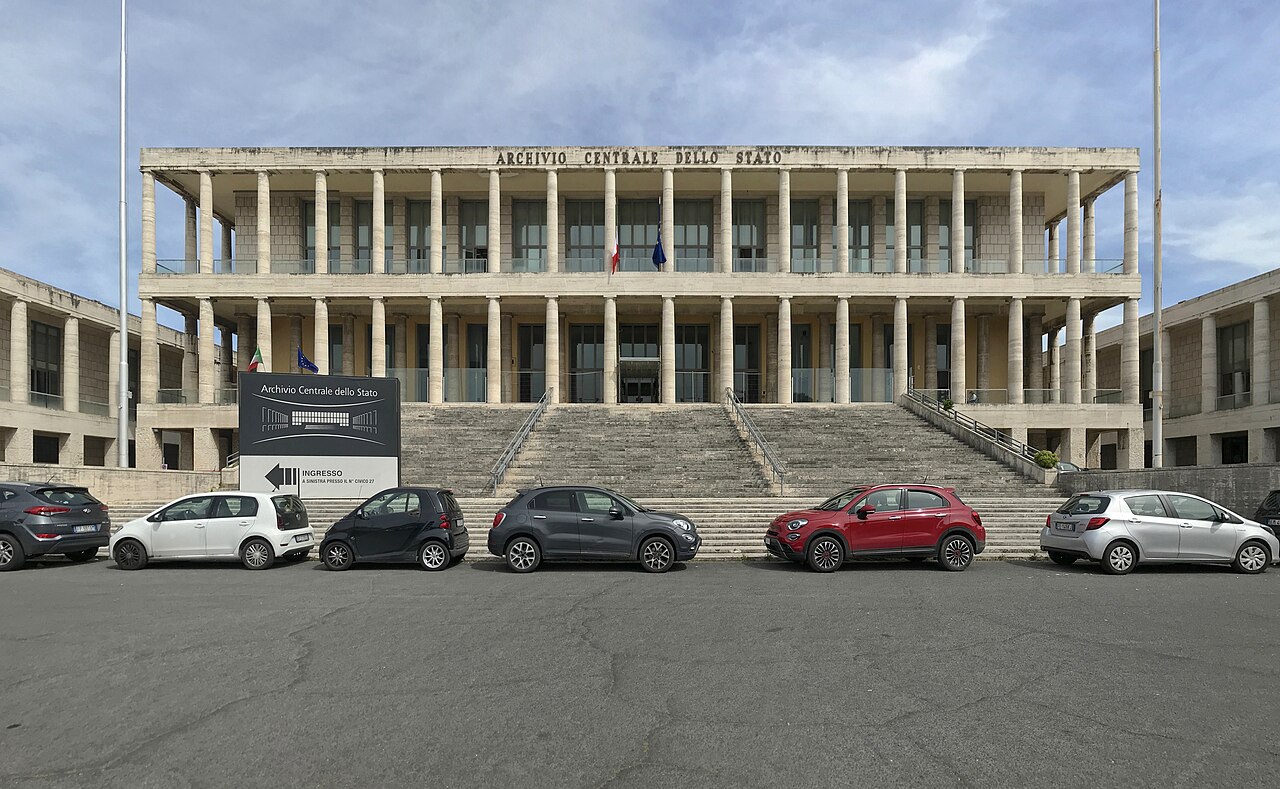
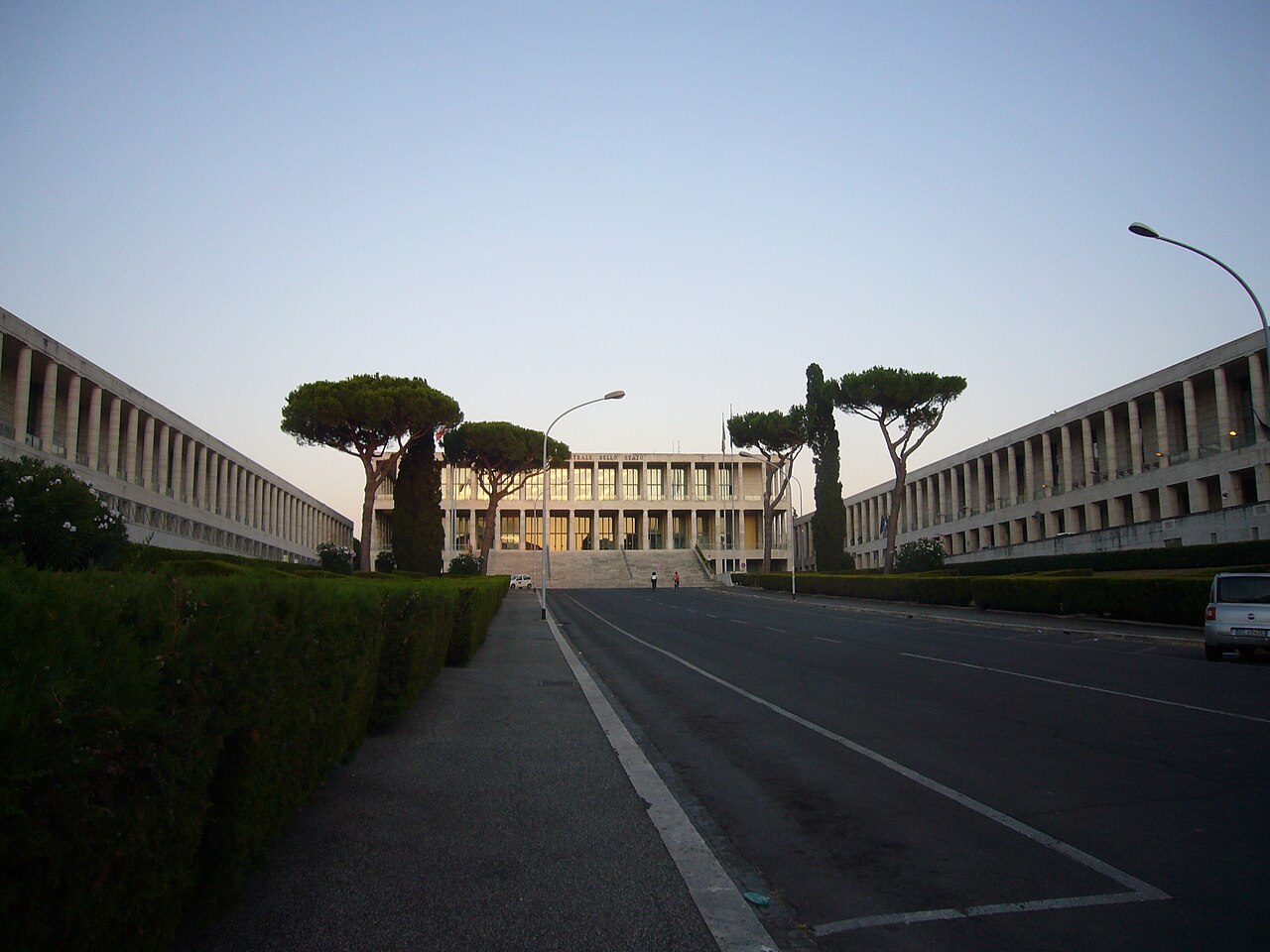
According to the Central State Archives’ summary of transfers updated to October 20, 2025, SISMI transferred the Gladio records seized by the Rome judicial authorities in two batches: 165 boxes with 2,858 files on December 21, 2021 and 181 boxes with 1,890 files on December 15, 2022. On June 19, 2023, 85 binders with 633 files on the Gladio affair were handed over on behalf of AISE: the figure appears both in the Archives’ summary and in the advisory committee’s report. For SISMI’s 7th Division the summary records a further 87 boxes with 767 files on May 21, 2024 and 40 boxes with 4,490 documents on September 17, 2025, according to the same list.
Rome, EUR: the Central State Archives building on Piazzale degli Archivi.According to the Central State Archives’ summary, SISMI transferred here, in two batches, the Gladio records seized by the Rome judicial authorities.Photo: Gunnar Klack, CC BY-SA 4.0, from Wikimedia Commons
All the records on Gladio and P2 held by the Prime Minister’s Office were transferred to the Central State Archives under a handover report of July 6, 2023: 11 binders, 6 of them on Gladio. Five documents on Operation Gladio arrived from Italy’s Permanent Representation to NATO, after NATO’s military authorities had approved their declassification and release, according to the advisory committee. From the Central Directorate of the Prevention Police, according to the summary, came 21 boxes with 7,797 documents under the heading “Gladio Organisation.” These are the same papers the commission worked on, and many more besides: the archives of the services, of the Prime Minister’s Office, of the police, and those of the Alliance that in 1991 the government declared inviolable.
In 2024, the committee writes, a gross 340,031.35 euros were committed to reorganising and cataloguing the records transferred under the 2021 directive; for 2025 the Ministry of Culture has 300,000 euros to catalogue 35,165 documents already transferred and those still to come. The transfers come with methodological reports that can be consulted in the “Special Collections Room (declassified records)” section of the Central State Archives website, according to the report. The 1992 report already pointed to where to look, and today those papers sit in a public archive, subject to the time it takes to catalogue them.
Rome, EUR: Piazzale degli Archivi with the Central State Archives building in the background.On June 19, 2023, 85 binders with 633 files on Gladio arrived at the Central State Archives, handed over on behalf of AISE.Photo: Lalupa, CC BY-SA 4.0, from Wikimedia Commons
Two things remain to be checked that the records we obtained do not say.The first is whether these papers include the fourteen annexes that the commission considered an integral part of its report. The second concerns an archive the report mentions in a note: according to the commission, the archive of the 1st Division, counter-espionage, had until then remained entirely unexamined. In the two lists we read we find no trace of it under that name: that is the point from which to start again.
Our reading
This is where the account of the records ends and the editorial assessment begins. The 1992 report is a rare document: a body of Parliament writing, in black and white, that for forty years a part of the state lived hidden from the institutions of the state. Its strength lies not in its adjectives but in its dates. On August 3, 1990 the Prime Minister says everything ended in 1972; on October 18 he admits that the structure is active; on October 19 the last defence minister signs for acknowledgement. Those in government signed documents that did not give the organisation’s name, and those who did not sign had not been put in a position to do so.
The dissent does not dismantle this framework: it shifts it. The four signatories of the first note move the discussion to the 1950s, where the Atlantic Treaty offers an argument, and for everything else they refer to the report of the committee on the services. Buffoni and Cicciomessere, from different positions, accept that after 1977 the law was circumvented, and dispute the breadth of the conclusions. It is the most useful disagreement for today’s reader: it separates what the commission documented, the circumvention of oversight, from what it only hypothesised, the role in the strategy of tension. The report itself entrusts that separation to the judiciary.
Thirty years later, the papers are in a public archive and reading them is possible, at the pace of archival cataloguing. It is the most concrete proof that the 1992 verdict was not an opinion: it was a list of documents that someone, sooner or later, would be able to check.
Open questions
What exactly did the parliamentary committee on the services write in its report of March 4, 1992, which two of the three notes cite as opposed to the commission’s? We did not obtain it, and we report only what the commission’s members say about it. Which court decision did Buffoni have in mind when he spoke of a sharp contradiction with the report? How did the investigations in Rome, in Padua and before the Ministers’ Tribunal end? The records we read stop before then. Finally: can the fourteen annexes to the report be consulted today, and where? We will look for them in the inventories of the Central State Archives and update this page.
The case file
This section is generated from ARKA’s evidence register, not written by hand. Every claim in the investigation appears here with the exact words of the records that support it, found in the stored files and checked against their fingerprint. 106 claims: 5 corroborated across independent vectors, 0 confirmed by an official record, 101 attributed. Whether a passage truly supports its claim is checked today by a person: there is no automatic check yet.
Corroborated across independent vectors (5)
at least two independent origins, in at least two different families of sources.
SISMI’s archive records on Gladio were seized by the judicial authorities in Rome: by orders of December 21 and 22, 1990 the Rome prosecutor’s office seized them and made them available to the commission. 2 origins · 2 vectors
«Con decreti del 21 e 22 dicembre 1990 la Procura romana sequestrò tutti i documenti Gladio presenti negli archivi del SISMI mettendoli poi a disposizione della Commissione.» — Massacres inquiry commission, report on Operation Gladio (Doc. XXIII no. 51, 10th legislature, 1992) with the supplementary notes, p. 30 · fingerprint 6fbef8134d6e
«SISMI - Servizio informazioni e sicurezza militare 2021-12-21 Organizzazione Gladio Si Si 165 buste (2858 fascicoli) (documentazione sequestrata dall’Autorità giudiziaria di Roma I tranche)» — Central State Archives, summary of transfers under the directive of August 2, 2021 (as of October 20, 2025), p. 1 · fingerprint 9c07e23c70c3
The Prime Minister’s directive of August 2, 2021 extends that of April 22, 2014 on the transfer to the Central State Archives of records on the serious events listed. 2 origins · 2 vectors
«DIRETTIVA DEL PRESIDENTE DEL CONSIGLIO DEI MINISTRI 2 agosto 2021 Ampliamento della direttiva del Presidente del Consiglio dei ministri del 22 aprile 2014 RIEPILOGO VERSAMENTI ALLA DATA DEL 20 OTTOBRE 2025» — Central State Archives, summary of transfers under the directive of August 2, 2021 (as of October 20, 2025), p. 1 · fingerprint 9c07e23c70c3
«versamento agli Archivi di Stato e all’Archivio centrale dello Stato della documentazione di cui alle Direttive del Presidente del Consiglio dei ministri del 22 aprile 2014 e del 2 agosto 2021» — Prime Minister’s Office, advisory committee on transfers: annual reports 2023 and 2024, p. 1 · fingerprint 717b7aa1f990
All the records on Gladio and P2 held by the Prime Minister’s Office were transferred to the Central State Archives under a handover report of July 6, 2023: 11 binders, 6 of them on Gladio, from the main Special Secretariat. 2 origins · 2 vectors
«Tutta la documentazione relativa a Gladio e P2 detenuta dalla Presidenza del Consiglio è stata versata all’Archivio centrale dello Stato, come risulta dal verbale di consegna datato 6 luglio 2023: il versamento consta di 11 faldoni, di cui 6 relativi a Gladio e 5 alla Loggia massonica P2.» — Prime Minister’s Office, advisory committee on transfers: annual reports 2023 and 2024, p. 20 · fingerprint 717b7aa1f990
«Segreteria Speciale principale 2023-07-06 Organizzazione Gladio Si No 6 buste» — Central State Archives, summary of transfers under the directive of August 2, 2021 (as of October 20, 2025), p. 1 · fingerprint 9c07e23c70c3
On June 19, 2023, 85 binders containing 633 files on the Gladio affair, from SISMI’s 7th Division, were handed over to the Central State Archives on behalf of AISE. 2 origins · 2 vectors
«il Dipartimento delle informazioni per la sicurezza ha reso noto di aver consegnato per conto dell’AISE ben 85 faldoni, con 633 fascicoli relativi alla vicenda Gladio in data 19 giugno 2023» — Prime Minister’s Office, advisory committee on transfers: annual reports 2023 and 2024, p. 21 · fingerprint 717b7aa1f990
«7^ Divisione del SISMI 85 buste (633 fascicoli: SAM 58» — Central State Archives, summary of transfers under the directive of August 2, 2021 (as of October 20, 2025), p. 1 · fingerprint 9c07e23c70c3
«2023-06-19 Organizzazione Gladio Si Si» — Central State Archives, summary of transfers under the directive of August 2, 2021 (as of October 20, 2025), p. 1 · fingerprint 9c07e23c70c3
Five documents on Operation Gladio were transferred from Italy’s Permanent Representation to NATO, after NATO’s military authorities had approved their declassification and release. 2 origins · 2 vectors
«n. 5 documenti relativi all’operazione Gladio provenienti dalla Rappresentanza permanente presso la NATO (documentazione che è stata previamente sottoposta alle competenti Autorità Militari della NATO, che ne hanno decretato e approvato la declassifica e la divulgazione)» — Prime Minister’s Office, advisory committee on transfers: annual reports 2023 and 2024, p. 8 · fingerprint 717b7aa1f990
«Rappresentanza permanente presso la NATO 2023-01-30 Organizzazione Gladio No Si 5 documenti» — Central State Archives, summary of transfers under the directive of August 2, 2021 (as of October 20, 2025), p. 2 · fingerprint 9c07e23c70c3
Attributed (101)
someone’s claim (a party, an agency): in the text they always appear attributed to whoever makes them.
On April 22, 1992 the chairman of the massacres inquiry commission, Senator Gualtieri, sent the Presidents of the Senate, Giovanni Spadolini, and of the Chamber, Leonilde Iotti, the reports approved at the sitting of April 14-15, 1992 on the Moro case, on Ustica, on Operation Gladio and on terrorism in Alto Adige. 1 origin · 1 vector
«La Commissione che ho l’onore di presiedere nella seduta del 14-15 aprile 1992 ha ultimato la discussione ed ha approvato le relazioni sulle inchieste condotte: sugli ultimi sviluppi del caso Moro; sulle vicende connesse al disastro aereo di Ustica; sull’operazione Gladio; su episodi di terrorismo in Alto Adige.» — Massacres inquiry commission, report on Operation Gladio (Doc. XXIII no. 51, 10th legislature, 1992) with the supplementary notes, p. 3 · fingerprint 6fbef8134d6e
«Comunicata alle Presidenze il 22 aprile 1992» — Massacres inquiry commission, report on Operation Gladio (Doc. XXIII no. 51, 10th legislature, 1992) with the supplementary notes, p. 1 · fingerprint 6fbef8134d6e
«Onorevole Senatore Prof. Giovanni Spadolini Presidente Senato della Repubblica» — Massacres inquiry commission, report on Operation Gladio (Doc. XXIII no. 51, 10th legislature, 1992) with the supplementary notes, p. 3 · fingerprint 6fbef8134d6e
«Onorevole Professoressa Leonilde lOTTI Presidente Camera dei deputati» — Massacres inquiry commission, report on Operation Gladio (Doc. XXIII no. 51, 10th legislature, 1992) with the supplementary notes, p. 5 · fingerprint 6fbef8134d6e
«(composta dai senatori: Gualtieri, Presidente;» — Massacres inquiry commission, report on Operation Gladio (Doc. XXIII no. 51, 10th legislature, 1992) with the supplementary notes, p. 1 · fingerprint 6fbef8134d6e
The commission decided to publish three supplementary notes as annexes to the Gladio report: by Deputy Zamberletti with Senators Bosco, Graziani and Leonardi, by Deputy Buffoni, and by Deputy Cicciomessere. 1 origin · 1 vector
«una nota integrativa redatta dal deputato Zamberletti e dai senatori Bosco, Graziani e Leonardi; una nota integrativa redatta dal deputato Buffoni» — Massacres inquiry commission, report on Operation Gladio (Doc. XXIII no. 51, 10th legislature, 1992) with the supplementary notes, p. 1 · fingerprint 6fbef8134d6e
«nota integrativa redatta dal deputato Cicciomessere» — Massacres inquiry commission, report on Operation Gladio (Doc. XXIII no. 51, 10th legislature, 1992) with the supplementary notes, p. 1 · fingerprint 6fbef8134d6e
«sottoelencate note integrative di cui la Commissione ha deciso la pubblicazione in annesso» — Massacres inquiry commission, report on Operation Gladio (Doc. XXIII no. 51, 10th legislature, 1992) with the supplementary notes, p. 3 · fingerprint 6fbef8134d6e
Fourteen documents cited in the Gladio report are an integral part of it; the commission resolved to publish them, but they would be sent only once the constraint of investigative secrecy had lapsed. 1 origin · 1 vector
«costituiscono parte integrante della relazione sul caso Gladio quattordici documenti, citati nel corpo della relazione stessa. Tali documenti, dei quali la Commissione ha deliberato la pubblicazione, Le saranno trasmessi non appena verrà meno il vincolo del segreto istruttorio.» — Massacres inquiry commission, report on Operation Gladio (Doc. XXIII no. 51, 10th legislature, 1992) with the supplementary notes, p. 3 · fingerprint 6fbef8134d6e
The Gladio report includes, among others, a chapter entitled “Periodise in order to judge”, one on progressive constitutional illegitimacy and one on political control over Gladio. 1 origin · 1 vector
«CAPITOLO 2. - Periodizzare per giudicare» — Massacres inquiry commission, report on Operation Gladio (Doc. XXIII no. 51, 10th legislature, 1992) with the supplementary notes, p. 7 · fingerprint 6fbef8134d6e
«CAPITOLO 4. - L’illegittimità costituzionale progressiva» — Massacres inquiry commission, report on Operation Gladio (Doc. XXIII no. 51, 10th legislature, 1992) with the supplementary notes, p. 7 · fingerprint 6fbef8134d6e
«CAPITOLO 5. - Il controllo politico su Gladio» — Massacres inquiry commission, report on Operation Gladio (Doc. XXIII no. 51, 10th legislature, 1992) with the supplementary notes, p. 7 · fingerprint 6fbef8134d6e
The report describes Gladio as a secret that the Italian state shared with other states and that at some point became entirely its own. 1 origin · 1 vector
«Gladio non è stata tanto una struttura segreta, quanto un «segreto». Un segreto che lo Stato italiano ha condiviso con altri Stati, e che a un certo punto è diventato totalmente suo.» — Massacres inquiry commission, report on Operation Gladio (Doc. XXIII no. 51, 10th legislature, 1992) with the supplementary notes, p. 11 · fingerprint 6fbef8134d6e
According to the commission, Gladio underwent at least four transformations, and its legitimacy had to be demonstrable at every moment of its history, not just once. 1 origin · 1 vector
«Almeno quattro sono state le mutazioni subite da Gladio nel corso degli anni.» — Massacres inquiry commission, report on Operation Gladio (Doc. XXIII no. 51, 10th legislature, 1992) with the supplementary notes, p. 13 · fingerprint 6fbef8134d6e
«questa deve infatti poter essere dimostrata in qualsiasi momento della sua storia, non una tantum.» — Massacres inquiry commission, report on Operation Gladio (Doc. XXIII no. 51, 10th legislature, 1992) with the supplementary notes, p. 13 · fingerprint 6fbef8134d6e
According to the report, the Gladio affair lasted forty years, during which there were forty governments and twenty prime ministers. 1 origin · 1 vector
«La vicenda di Gladio è durata quarant’anni.» — Massacres inquiry commission, report on Operation Gladio (Doc. XXIII no. 51, 10th legislature, 1992) with the supplementary notes, p. 12 · fingerprint 6fbef8134d6e
«In questi quarant’anni si sono succeduti quaranta Governi diversi e ci sono stati venti diversi Presidenti del Consiglio.» — Massacres inquiry commission, report on Operation Gladio (Doc. XXIII no. 51, 10th legislature, 1992) with the supplementary notes, p. 12 · fingerprint 6fbef8134d6e
When Prime Minister Andreotti lifted the secret in October 1990, it seemed to concern little more than 600 men waiting for an invasion; according to the commission, things were very different. 1 origin · 1 vector
«Quando però il velo del segreto che ha coperto l’organizzazione è stato sollevato nell’ottobre 1990 dal Presidente del Consiglio, onorevole Andreotti» — Massacres inquiry commission, report on Operation Gladio (Doc. XXIII no. 51, 10th legislature, 1992) with the supplementary notes, p. 12 · fingerprint 6fbef8134d6e
«un limitato numero di uomini, poco più di 600, rimasti tenacemente in attesa di una invasione dall’Est sempre più improbabile» — Massacres inquiry commission, report on Operation Gladio (Doc. XXIII no. 51, 10th legislature, 1992) with the supplementary notes, p. 12 · fingerprint 6fbef8134d6e
«Le cose stavano però molto diversamente.» — Massacres inquiry commission, report on Operation Gladio (Doc. XXIII no. 51, 10th legislature, 1992) with the supplementary notes, p. 12 · fingerprint 6fbef8134d6e
On August 2, 1990, at a sitting of the Chamber devoted to the Bologna station massacre, Prime Minister Andreotti accepted a motion by Deputies Quercini, Tortorella, Violante and others committing the government to inform Parliament within 60 days about a parallel and hidden structure. 1 origin · 1 vector
«Il 2 agosto 1990, nel corso di una seduta della Camera dei deputati dedicata alla strage alla stazione di Bologna, il Presidente del Consiglio Andreotti accettò un ordine del giorno presentato dai deputati Quercini, Tortorella, Violante ed altri con il quale si impegnava il Governo a informare il Parlamento entro 60 giorni in ordine «alla esistenza, alle caratteristiche e alle finalità di una struttura parallela e occulta che avrebbe operato all’interno del nostro servizio segreto militare con finalità di condizionamento della vita politica del Paese».» — Massacres inquiry commission, report on Operation Gladio (Doc. XXIII no. 51, 10th legislature, 1992) with the supplementary notes, p. 29 · fingerprint 6fbef8134d6e
On August 3, 1990 Andreotti, heard by the commission, stated that according to what the services had told him those activities had continued until 1972. 1 origin · 1 vector
«Il giorno seguente, 3 agosto 1990, il Presidente del Consiglio fu ascoltato dalla nostra Commissione» — Massacres inquiry commission, report on Operation Gladio (Doc. XXIII no. 51, 10th legislature, 1992) with the supplementary notes, p. 29 · fingerprint 6fbef8134d6e
«Sulla base di quanto mi è stato riferito dai Servizi, tali attività sono proseguite fino al 1972, dopodiché si è ritenuto che non ve ne fosse più bisogno.» — Massacres inquiry commission, report on Operation Gladio (Doc. XXIII no. 51, 10th legislature, 1992) with the supplementary notes, p. 30 · fingerprint 6fbef8134d6e
On October 18, 1990 the Prime Minister sent the commission the document ‘The so-called parallel SID - the Gladio case’, which showed that the activities thought to have been abandoned in 1972 were still going on. 1 origin · 1 vector
«Il 18 ottobre 1990 il Presidente del Consiglio inviò alla Commissione il documento promesso, intitolato: «Il cosiddetto SID parallelo-il caso Gladio». Si apprendeva così che le attività che il Presidente del Consiglio riteneva abbandonate nel 1972, continuavano ancora.» — Massacres inquiry commission, report on Operation Gladio (Doc. XXIII no. 51, 10th legislature, 1992) with the supplementary notes, p. 30 · fingerprint 6fbef8134d6e
The report notes a contradiction between the statement of August 3, 1990, according to which the structure had been stood down in 1972, and the document of October 18, 1990, which admitted that in 1990 it was still active and operational. 1 origin · 1 vector
«La situazione creatasi dopo il 1972 riconduce alla contraddizione tra la dichiarazione fatta dal Presidente del Consiglio Andreotti alla Commissione il 3 agosto 1990, secondo cui appunto nel 1972 la struttura era stata smobilitata, e l’informazione contenuta nel documento trasmesso alla Commissione il 18 ottobre 1990, in cui veniva ammesso che la struttura ancora nel 1990 era attiva ed operante.» — Massacres inquiry commission, report on Operation Gladio (Doc. XXIII no. 51, 10th legislature, 1992) with the supplementary notes, p. 24 · fingerprint 6fbef8134d6e
According to the commission, the documents Andreotti had requested from the Chief of the Defence Staff, rather than from the directors of the services or from CESIS, very probably contained elements that lent themselves to a minimising reading of Gladio after 1972. 1 origin · 1 vector
«Con ogni probabilità nella documentazione che il Presidente del Consiglio Andreotti chiese in quella occasione al capo di Stato Maggiore della Difesa (e non ai direttori dei Servizi o al CESIS - Comitato esecutivo per i servizi di informazione e sicurezza), vi erano elementi che si prestavano a una lettura riduttiva di Gladio dopo il 1972.» — Massacres inquiry commission, report on Operation Gladio (Doc. XXIII no. 51, 10th legislature, 1992) with the supplementary notes, p. 24 · fingerprint 6fbef8134d6e
On August 8, 1990 the director of SISMI, Martini, issued a circular directing the Gladio organisation towards the fight against drugs. 1 origin · 1 vector
«L’8 agosto ,1990 il direttore del SISMI Martini emanò una circolare con la quale indirizzava l’organizzazione Gladio alla lotta contro la droga.» — Massacres inquiry commission, report on Operation Gladio (Doc. XXIII no. 51, 10th legislature, 1992) with the supplementary notes, p. 30 · fingerprint 6fbef8134d6e
On November 27, 1990 the Prime Minister decreed the dissolution of Gladio; on February 26, 1991 he did not renew Admiral Martini’s appointment. 1 origin · 1 vector
«La storia di Gladio ha termine quando il 27 novembre 1990 il Presidente del Consiglio ne decretò lo scioglimento, quando il 26 febbraio 1991 non rinnovò l’incarico all’ammiraglio Martini» — Massacres inquiry commission, report on Operation Gladio (Doc. XXIII no. 51, 10th legislature, 1992) with the supplementary notes, p. 30 · fingerprint 6fbef8134d6e
According to information from the services passed on by the Prime Minister’s Office to the commission, at the time of the dissolution Gladio had 622 members, 45 of whom had died. 1 origin · 1 vector
«Al momento dello scioglimento gli appartenenti a Gladio - secondo le informazioni fornite dai servizi alla Presidenza del Consiglio, e da questa trasmesse alla Commissione - risultano 622, di cui 45 deceduti.» — Massacres inquiry commission, report on Operation Gladio (Doc. XXIII no. 51, 10th legislature, 1992) with the supplementary notes, p. 43, note · fingerprint 6fbef8134d6e
The 622 would include 408 members of the cells and 214 members of the rapid-deployment units. 1 origin · 1 vector
«E comprenderebbe tanto i membri dei nuclei (408) quanto gli appartenenti alle unità di pronto impiego (214).» — Massacres inquiry commission, report on Operation Gladio (Doc. XXIII no. 51, 10th legislature, 1992) with the supplementary notes, p. 43, note · fingerprint 6fbef8134d6e
The recruitment procedure was started for 1,915 names, with a negative outcome in two thirds of cases. 1 origin · 1 vector
«Tale procedura risulta avviata per 1.915 nominativi, con esito negativo nei due terzi dei casi» — Massacres inquiry commission, report on Operation Gladio (Doc. XXIII no. 51, 10th legislature, 1992) with the supplementary notes, p. 43, note · fingerprint 6fbef8134d6e
A detailed file was kept in the archive of the 7th Division on each of those who were not recruited. 1 origin · 1 vector
«Di ciascuno di questi «negativi» - malgrado il mancato reclutamento - è stato conservato un dettagliato fascicolo nell’archivio della 7 Divisione.» — Massacres inquiry commission, report on Operation Gladio (Doc. XXIII no. 51, 10th legislature, 1992) with the supplementary notes, p. 43, note · fingerprint 6fbef8134d6e
Gladio’s deployable strength averaged 230-250 men; according to the commission it remains to be explained how 127 of the 622 were enrolled before the necessary background checks had been made. 1 origin · 1 vector
«la forza impiegabile nei vari anni è stata mediamente di 230-250 unità» — Massacres inquiry commission, report on Operation Gladio (Doc. XXIII no. 51, 10th legislature, 1992) with the supplementary notes, p. 43, note · fingerprint 6fbef8134d6e
«Resta da chiarire come sia stato possibile che ben 127 unità su 622 siano state arruolate prima che su di loro fossero assunte le necessarie informazioni» — Massacres inquiry commission, report on Operation Gladio (Doc. XXIII no. 51, 10th legislature, 1992) with the supplementary notes, p. 43, note · fingerprint 6fbef8134d6e
For 24 names, the referral, and in some cases appointment as a full member, took place even though these were people who had belonged to fascist organisations: the National Fascist Party, the Italian Social Republic, the X Mas. 1 origin · 1 vector
«Per 24 nominativi la segnalazione, e in alcuni casi la nomina ad «effettivo» furono fatte nonostante si trattasse di persone che avevano appartenuto ad organizzazioni fasciste (Partito Nazionale Fascista, Repubblica Sociale Italiana, X Mas).» — Massacres inquiry commission, report on Operation Gladio (Doc. XXIII no. 51, 10th legislature, 1992) with the supplementary notes, p. 43, note · fingerprint 6fbef8134d6e
In its conclusions the commission writes that there is no justification for Gladio, neither at the beginning nor at the end, and that its dangerousness and illegitimacy grew with the passing years. 1 origin · 1 vector
«Non vi è alcuna giustificazione per Gladio. Né all’inizio né alla fine. Vi è invece un accrescimento della sua pericolosità e della sua illegittimità con il passare degli anni.» — Massacres inquiry commission, report on Operation Gladio (Doc. XXIII no. 51, 10th legislature, 1992) with the supplementary notes, p. 40 · fingerprint 6fbef8134d6e
The report ends by calling for the facts to be acknowledged and for those responsible for the long deception to be punished. 1 origin · 1 vector
«È tempo che di questo si prenda atto e si puniscano i responsabili del lungo inganno.» — Massacres inquiry commission, report on Operation Gladio (Doc. XXIII no. 51, 10th legislature, 1992) with the supplementary notes, p. 40 · fingerprint 6fbef8134d6e
On October 8, 1951 the head of SIFAR, General Umberto Broccoli, sent the Chief of the Defence Staff, General Efisio Marras, the memorandum ‘Intelligence and operational organisation in national territory liable to enemy occupation’. 1 origin · 1 vector
«L’8 ottobre 1951 il capo del SIFAR, generale Umberto Broccoli, inviò al capo di Stato Maggiore della Difesa, generale Efisio Marras, un pro-memoria intitolato «Organizzazione informativa-operativa nel territorio nazionale suscettibile di occupazione nemica»» — Massacres inquiry commission, report on Operation Gladio (Doc. XXIII no. 51, 10th legislature, 1992) with the supplementary notes, p. 14 · fingerprint 6fbef8134d6e
According to the head of SIFAR, in the event of occupation a resistance network had to be ready for immediate activation, capable of gathering intelligence, sabotaging the occupier’s installations and providing escape routes for soldiers behind enemy lines. 1 origin · 1 vector
«Secondo il capo del SIFAR occorreva far sì che in caso di occupazione del territorio nazionale fosse immediatamente attivabile una rete di resistenza capace di fornire informazioni, sabotare gli impianti dell’occupante e fornire assistenza e «vie di fuga» ai militari rimasti dietro le linee nemiche.» — Massacres inquiry commission, report on Operation Gladio (Doc. XXIII no. 51, 10th legislature, 1992) with the supplementary notes, p. 14 · fingerprint 6fbef8134d6e
The plan provided for a network of no more than 200 men, to be completed at the beginning of 1953. 1 origin · 1 vector
«fino a raggiungere un massimo di 200 unità» — Massacres inquiry commission, report on Operation Gladio (Doc. XXIII no. 51, 10th legislature, 1992) with the supplementary notes, p. 15 · fingerprint 6fbef8134d6e
«La rete, in sostanza, avrebbe dovuto essere pronta all’inizio del 1953.» — Massacres inquiry commission, report on Operation Gladio (Doc. XXIII no. 51, 10th legislature, 1992) with the supplementary notes, p. 15 · fingerprint 6fbef8134d6e
On May 7, 1952 General Broccoli went to Paris for the meeting of the Clandestine Planning Committee, set up in August 1951; the decision not to join it was communicated to the allies. 1 origin · 1 vector
«ufficialmente costituito nell’agosto 1951 con il nome di Clandestine Planning Committee (CPC)» — Massacres inquiry commission, report on Operation Gladio (Doc. XXIII no. 51, 10th legislature, 1992) with the supplementary notes, p. 15 · fingerprint 6fbef8134d6e
«Il 7 maggio 1952 il generale Broccoli si recò a Parigi» — Massacres inquiry commission, report on Operation Gladio (Doc. XXIII no. 51, 10th legislature, 1992) with the supplementary notes, p. 15 · fingerprint 6fbef8134d6e
«La decisione di non aderire al CPC fu comunicata agli alleati.» — Massacres inquiry commission, report on Operation Gladio (Doc. XXIII no. 51, 10th legislature, 1992) with the supplementary notes, p. 15 · fingerprint 6fbef8134d6e
In 1953 the acquisition of land for the Capo Marargiu base, near Alghero, began; in 1954 construction started with CIA funding, under a bilateral agreement between the Italian and US intelligence services. 1 origin · 1 vector
«Quando nel 1953 ebbe inizio l’acquisizione dei terreni su cui sarebbe stata costruita la base di Capo Marargiu, vicino ad Alghero, e quando nel 1954 i lavori furono avviati, con il finanziamento della CIA e sotto la direzione» — Massacres inquiry commission, report on Operation Gladio (Doc. XXIII no. 51, 10th legislature, 1992) with the supplementary notes, p. 16 · fingerprint 6fbef8134d6e
«ciò avvenne in forza di un accordo bilaterale tra servizio informazioni italiano e servizio informazioni statunitense» — Massacres inquiry commission, report on Operation Gladio (Doc. XXIII no. 51, 10th legislature, 1992) with the supplementary notes, p. 16 · fingerprint 6fbef8134d6e
The name ‘Gladio’ first appeared at the meeting of October 18, 1956 between SIFAR and the CIA; the agreement of November 28, 1956 came when the two services had already set out the outlines of the operation a couple of years earlier. 1 origin · 1 vector
«L’operazione «Gladio» emerse per la prima volta con questo nome nell’incontro del 18 ottobre 1956» — Massacres inquiry commission, report on Operation Gladio (Doc. XXIII no. 51, 10th legislature, 1992) with the supplementary notes, p. 16 · fingerprint 6fbef8134d6e
«L’accordo del 28 novembre 1956 (si veda allegato 2) intervenne dunque quando già da un paio di anni i due servizi avevano stabilito i lineamenti generali dell’operazione» — Massacres inquiry commission, report on Operation Gladio (Doc. XXIII no. 51, 10th legislature, 1992) with the supplementary notes, p. 16 · fingerprint 6fbef8134d6e
Besides the ‘Gladio/1’ document, another 111 records belonging to the collection of the operation’s official documents were found. 1 origin · 1 vector
«sono stati rinvenuti altri 111 atti appartenenti alla raccolta dei documenti ufficiali dell’operazione» — Massacres inquiry commission, report on Operation Gladio (Doc. XXIII no. 51, 10th legislature, 1992) with the supplementary notes, p. 16 · fingerprint 6fbef8134d6e
«Oltre al testo di « Gladio/1»» — Massacres inquiry commission, report on Operation Gladio (Doc. XXIII no. 51, 10th legislature, 1992) with the supplementary notes, p. 16 · fingerprint 6fbef8134d6e
Every official Gladio document was to be drawn up in two versions, Italian and English, in no more than four copies. 1 origin · 1 vector
«Di ogni documento ufficiale (registrazione di accordi, verbali di riunioni, memorandum) si dispose la redazione in duplice versione - italiana ed inglese - e in un massimo di quattro copie.» — Massacres inquiry commission, report on Operation Gladio (Doc. XXIII no. 51, 10th legislature, 1992) with the supplementary notes, p. 16 · fingerprint 6fbef8134d6e
In June 1959, according to SIFAR’s first comprehensive report, the clandestine structure was organised into forty cells (6 intelligence, 10 sabotage, 6 propaganda, 6 escape and evasion, 12 guerrilla) and five rapid-deployment units: Stella alpina, Stella marina, Rododendro, Azalea, Ginestra. 1 origin · 1 vector
«Ed è appunto nel giugno del 1959 che il SIFAR» — Massacres inquiry commission, report on Operation Gladio (Doc. XXIII no. 51, 10th legislature, 1992) with the supplementary notes, p. 18 · fingerprint 6fbef8134d6e
«stila la prima relazione organica sui progressi fino a quel momento realizzati» — Massacres inquiry commission, report on Operation Gladio (Doc. XXIII no. 51, 10th legislature, 1992) with the supplementary notes, p. 18 · fingerprint 6fbef8134d6e
«La struttura clandestina era organizzata su quaranta nuclei operativi: 6 informativi, 10 di sabotaggio, 6 di propaganda, 6 di evasione e fuga, 12 di guerriglia.» — Massacres inquiry commission, report on Operation Gladio (Doc. XXIII no. 51, 10th legislature, 1992) with the supplementary notes, p. 18 · fingerprint 6fbef8134d6e
«I reparti di pronto impiego erano articolati invece in cinque unità, ciascuna identificata con un nome convenzionale: Stella alpina, Stella marina, Rododendro, Azalea, Ginestra.» — Massacres inquiry commission, report on Operation Gladio (Doc. XXIII no. 51, 10th legislature, 1992) with the supplementary notes, p. 18 · fingerprint 6fbef8134d6e
According to the 1959 report, the stay-behind network had been created for an emergency in NATO countries ‘caused by internal subversion or by invading military forces’. 1 origin · 1 vector
«La rete stay-behind era stata creata per il caso che si fosse determinata in Paesi NATO una situazione di emergenza «ad opera di sovvertimenti interni o di forze militari di invasione».» — Massacres inquiry commission, report on Operation Gladio (Doc. XXIII no. 51, 10th legislature, 1992) with the supplementary notes, p. 18 · fingerprint 6fbef8134d6e
If Sardinia too had been occupied, the command would have moved to a base already prepared in England, at Idlewood. 1 origin · 1 vector
«la Sardegna fosse stata occupata, il Comando si sarebbe trasferito in Inghilterra, in una base già predisposta a Idlewood.» — Massacres inquiry commission, report on Operation Gladio (Doc. XXIII no. 51, 10th legislature, 1992) with the supplementary notes, p. 18 · fingerprint 6fbef8134d6e
In the 1960s about 300 outside members were recruited and weapons were placed in northern Italy in 139 underground caches, the ‘Nasco’, stocked with what the United States sent between 1963 and 1969. 1 origin · 1 vector
«Nel corso del decennio furono reclutati circa 300 elementi esterni» — Massacres inquiry commission, report on Operation Gladio (Doc. XXIII no. 51, 10th legislature, 1992) with the supplementary notes, p. 19 · fingerprint 6fbef8134d6e
«Le armi e i materiali furono dislocati in zone strategiche dell’Italia settentrionale mediante depositi interrati (i 139 «Nasco», predisposti con quanto inviato dagli Stati Uniti tra il 1963 e il 1969)» — Massacres inquiry commission, report on Operation Gladio (Doc. XXIII no. 51, 10th legislature, 1992) with the supplementary notes, p. 19 · fingerprint 6fbef8134d6e
At the meeting of January 26, 1966, the last one recorded in the official Gladio documents, the US service proposed steering the project towards a programme that would bear fruit in peacetime, inspired by the doctrine of insurgency and counter-insurgency. 1 origin · 1 vector
«La «svolta» fu sancita nel corso di una riunione tenutasi il 26 gennaio 1966.» — Massacres inquiry commission, report on Operation Gladio (Doc. XXIII no. 51, 10th legislature, 1992) with the supplementary notes, p. 19 · fingerprint 6fbef8134d6e
«orienti la sua attività ad un programma che possa dar frutti sin dal tempo di pace» — Massacres inquiry commission, report on Operation Gladio (Doc. XXIII no. 51, 10th legislature, 1992) with the supplementary notes, p. 19 · fingerprint 6fbef8134d6e
«insorgenza e controinsorgenza» — Massacres inquiry commission, report on Operation Gladio (Doc. XXIII no. 51, 10th legislature, 1992) with the supplementary notes, p. 19 · fingerprint 6fbef8134d6e
«La riunione del 26 gennaio 1966 è l’ultima di cui vi sia traccia nella documentazione ufficiale Gladio.» — Massacres inquiry commission, report on Operation Gladio (Doc. XXIII no. 51, 10th legislature, 1992) with the supplementary notes, p. 19 · fingerprint 6fbef8134d6e
Italy first took part in a CPC meeting as an associate member on May 19, 1959, and joined the Allied Clandestine Committee only on April 15, 1964. 1 origin · 1 vector
«Il 19 maggio 1959 l’Italia, per la prima volta, partecipò ad una riunione del CPC come membro associato.» — Massacres inquiry commission, report on Operation Gladio (Doc. XXIII no. 51, 10th legislature, 1992) with the supplementary notes, p. 20 · fingerprint 6fbef8134d6e
«L’adesione italiana a questo secondo organismo interalleato avvenne soltanto il 15 aprile 1964» — Massacres inquiry commission, report on Operation Gladio (Doc. XXIII no. 51, 10th legislature, 1992) with the supplementary notes, p. 20 · fingerprint 6fbef8134d6e
According to the commission, the CPC and ACC could not be described as an integral part of the North Atlantic Treaty Organization. 1 origin · 1 vector
«non potevano pertanto dirsi parte integrante dell’Organizzazione del Trattato Nord Atlantico» — Massacres inquiry commission, report on Operation Gladio (Doc. XXIII no. 51, 10th legislature, 1992) with the supplementary notes, p. 21 · fingerprint 6fbef8134d6e
The Prime Minister refused access to the CPC and ACC documents as inviolable under Article 7 of the Ottawa Convention; the ACC documents were then made available to the commission on December 19, 1991, while the CPC documents remained inviolable. 1 origin · 1 vector
«Le perplessità si sono rinnovate dinanzi alla scelta del Presidente del Consiglio di negare l’accesso alla documentazione CPC-ACC, in quanto inviolabile a norma dell’articolo 7 della Convenzione di Ottawa.» — Massacres inquiry commission, report on Operation Gladio (Doc. XXIII no. 51, 10th legislature, 1992) with the supplementary notes, p. 22 · fingerprint 6fbef8134d6e
«posta quindi nella disponibilità della Commissione in data 19 dicembre 1991» — Massacres inquiry commission, report on Operation Gladio (Doc. XXIII no. 51, 10th legislature, 1992) with the supplementary notes, p. 31 · fingerprint 6fbef8134d6e
«mantenendo l’inviolabilità di quelli del CPC» — Massacres inquiry commission, report on Operation Gladio (Doc. XXIII no. 51, 10th legislature, 1992) with the supplementary notes, p. 22 · fingerprint 6fbef8134d6e
In 1972 the United States revoked the 1956 agreement: at the meeting of December 15, 1972 the US service said it no longer considered its terms valid. 1 origin · 1 vector
«Sul piano dei rapporti con il servizio americano si ebbe la revoca da parte statunitense dell’accordo del ‘56.» — Massacres inquiry commission, report on Operation Gladio (Doc. XXIII no. 51, 10th legislature, 1992) with the supplementary notes, p. 22 · fingerprint 6fbef8134d6e
«Nell’incontro del 15 dicembre 1972, convocato per fare il punto sull’intesa italo-statunitense, i rappresentanti del servizio americano comunicarono infatti di non ritenere più validi i termini del restatement» — Massacres inquiry commission, report on Operation Gladio (Doc. XXIII no. 51, 10th legislature, 1992) with the supplementary notes, p. 22 · fingerprint 6fbef8134d6e
On February 24, 1972 the Carabinieri of Aurisina found one of the Nasco caches by chance; according to the commission, SID officers managed to block the investigation and have the judicial inquiry shelved. 1 origin · 1 vector
«Il 24 febbraio 1972 fu casualmente ritrovato dai carabinieri di Aurisina uno dei «Nasco» occultati dall’organizzazione.» — Massacres inquiry commission, report on Operation Gladio (Doc. XXIII no. 51, 10th legislature, 1992) with the supplementary notes, p. 23 · fingerprint 6fbef8134d6e
«Immediata fu la preoccupazione del SID di evitare che il materiale rinvenuto potesse essere collegato al servizio.» — Massacres inquiry commission, report on Operation Gladio (Doc. XXIII no. 51, 10th legislature, 1992) with the supplementary notes, p. 23 · fingerprint 6fbef8134d6e
«gli uomini del Sid riuscirono a bloccare le indagini e a provocare l’archiviazione dell’inchiesta condotta dall’autorità giudiziaria.» — Massacres inquiry commission, report on Operation Gladio (Doc. XXIII no. 51, 10th legislature, 1992) with the supplementary notes, p. 23 · fingerprint 6fbef8134d6e
After Aurisina, the recovery of the hidden materials and the standing down of about a hundred men were ordered; the operation was completed in June 1973. 1 origin · 1 vector
«l’immediato recuperò dei materiali occultati e la smobilitazione di parte degli uomini arruolati (circa un centinaio)» — Massacres inquiry commission, report on Operation Gladio (Doc. XXIII no. 51, 10th legislature, 1992) with the supplementary notes, p. 23 · fingerprint 6fbef8134d6e
«fu completata nel giugno 1973» — Massacres inquiry commission, report on Operation Gladio (Doc. XXIII no. 51, 10th legislature, 1992) with the supplementary notes, p. 23 · fingerprint 6fbef8134d6e
According to the commission, it is a proven fact that in 1972 Gladio began to change from an anti-invasion structure on the north-eastern border into a mainly intelligence-gathering structure operating across the whole country. 1 origin · 1 vector
«È comunque un fatto oggi provato che nel 1972 prese avvio la trasformazione di Gladio da struttura creata per contrastare una invasione del nostro territorio sul confine nord-orientale a struttura prevalente informativa operante sull’intero territorio nazionale.» — Massacres inquiry commission, report on Operation Gladio (Doc. XXIII no. 51, 10th legislature, 1992) with the supplementary notes, p. 24 · fingerprint 6fbef8134d6e
In 1974-76 the network was restructured, eliminating the rapid-deployment units and strengthening the cells. 1 origin · 1 vector
«nel biennio 1974-76 la rete fu ristrutturata con l’eliminazione delle UPI» — Massacres inquiry commission, report on Operation Gladio (Doc. XXIII no. 51, 10th legislature, 1992) with the supplementary notes, p. 24 · fingerprint 6fbef8134d6e
«e con il potenziamento dei nuclei» — Massacres inquiry commission, report on Operation Gladio (Doc. XXIII no. 51, 10th legislature, 1992) with the supplementary notes, p. 24 · fingerprint 6fbef8134d6e
With the 1977 reform, SID was replaced by SISMI and SISDE, and the section in charge of Gladio became SISMI’s 7th Division. 1 origin · 1 vector
«Nel 1977 il Parlamento varò infatti la riforma dei servizi di sicurezza.» — Massacres inquiry commission, report on Operation Gladio (Doc. XXIII no. 51, 10th legislature, 1992) with the supplementary notes, p. 26 · fingerprint 6fbef8134d6e
«fu rimpiazzato da due nuovi organismi: il SISMI, competente in materia di sicurezza militare e il SISDE» — Massacres inquiry commission, report on Operation Gladio (Doc. XXIII no. 51, 10th legislature, 1992) with the supplementary notes, p. 26 · fingerprint 6fbef8134d6e
«divenne la 7 Divisione del SISMI» — Massacres inquiry commission, report on Operation Gladio (Doc. XXIII no. 51, 10th legislature, 1992) with the supplementary notes, p. 26 · fingerprint 6fbef8134d6e
Gladio’s local units were sent a template for intelligence reports in six points (population, administration, politics, economy, transport and communications), with attention to the biographies of politicians and to parties, unions, newspapers and agencies. 1 origin · 1 vector
«Ed è appunto in questi anni che presso le strutture periferiche di Gladio venne diramato un dettagliato schema da impiegare come traccia per la redazione di rapporti informativi» — Massacres inquiry commission, report on Operation Gladio (Doc. XXIII no. 51, 10th legislature, 1992) with the supplementary notes, p. 26 · fingerprint 6fbef8134d6e
«I sei punti su cui tale schema si articolava erano: popolazione, amministrazione, politica, economia, trasporti e comunicazioni.» — Massacres inquiry commission, report on Operation Gladio (Doc. XXIII no. 51, 10th legislature, 1992) with the supplementary notes, p. 26 · fingerprint 6fbef8134d6e
«L’attenzione informativa è posta sulle biografie degli esponenti politici più influenti (dal livello locale a quello nazionale), su movimenti, associazioni, partiti e sindacati, su giornali, agenzie di informazione e agenzie di pubblicità» — Massacres inquiry commission, report on Operation Gladio (Doc. XXIII no. 51, 10th legislature, 1992) with the supplementary notes, p. 26 · fingerprint 6fbef8134d6e
The local units were asked to produce quarterly reports; those found examine the political situations in Sassari, Porto Torres, Cervignano del Friuli and that of the ‘Corriere della Sera’. 1 origin · 1 vector
«le strutture periferiche furono infatti invitate a produrre delle relazioni trimestrali.» — Massacres inquiry commission, report on Operation Gladio (Doc. XXIII no. 51, 10th legislature, 1992) with the supplementary notes, p. 26 · fingerprint 6fbef8134d6e
«Vi si trovano indagate, tra le altre, le situazioni politiche di Sassari, Porto Torres, Cervignano del Friuli e quella del «Corriere della Sera».» — Massacres inquiry commission, report on Operation Gladio (Doc. XXIII no. 51, 10th legislature, 1992) with the supplementary notes, p. 26 · fingerprint 6fbef8134d6e
Alongside the ‘Ariete centre’ in Udine and the ‘Orione centre’ in Rome, the 7th Division set up the ‘Libra centre’ in Brescia (1985), the ‘Pleiadi centre’ in Asti (1986) and the ‘Scorpione centre’ in Trapani (1987). 1 origin · 1 vector
«il «centro Ariete» di Udine» — Massacres inquiry commission, report on Operation Gladio (Doc. XXIII no. 51, 10th legislature, 1992) with the supplementary notes, p. 27 · fingerprint 6fbef8134d6e
«il «centro Orione» di Roma, nato nel 1959» — Massacres inquiry commission, report on Operation Gladio (Doc. XXIII no. 51, 10th legislature, 1992) with the supplementary notes, p. 27 · fingerprint 6fbef8134d6e
«il «centro Libra» a Brescia (1985), il «centro Pleiadi» ad Asti (1986) ed il «centro Scorpione» a Trapani (1987)» — Massacres inquiry commission, report on Operation Gladio (Doc. XXIII no. 51, 10th legislature, 1992) with the supplementary notes, p. 27 · fingerprint 6fbef8134d6e
A table attached to the memorandum of February 17, 1987 assigned counter-terrorism to the Udine centre, organised crime to Brescia, and organised crime and industrial security to Asti. 1 origin · 1 vector
«pro-memoria del 17 febbraio a 1987» — Massacres inquiry commission, report on Operation Gladio (Doc. XXIII no. 51, 10th legislature, 1992) with the supplementary notes, p. 27 · fingerprint 6fbef8134d6e
«Al pro-memoria era allegato un prospetto da cui risultava la ripartizione dei compiti informativi affidati ai diversi centri: il «centro Ariete» di Udine doveva occuparsi di antiterrorismo, il «centro Libra» di Brescia di crimine organizzato, il «centro Pleiadi» di Asti di crimine organizzato e sicurezza industriale.» — Massacres inquiry commission, report on Operation Gladio (Doc. XXIII no. 51, 10th legislature, 1992) with the supplementary notes, p. 27 · fingerprint 6fbef8134d6e
The Special Operations Group (GOS), set up around 1986, had about fifteen members; its activities included escorting important figures, including on the Pope’s journeys, and it was activated for the Achille Lauro hijacking, the riot in Trani prison, the hijacking of an Egyptian jet to Malta and the Dozier kidnapping. 1 origin · 1 vector
«fu creato attorno al 1986» — Massacres inquiry commission, report on Operation Gladio (Doc. XXIII no. 51, 10th legislature, 1992) with the supplementary notes, p. 27 · fingerprint 6fbef8134d6e
«Il GOS ebbe una consistenza di una quindicina di elementi» — Massacres inquiry commission, report on Operation Gladio (Doc. XXIII no. 51, 10th legislature, 1992) with the supplementary notes, p. 28 · fingerprint 6fbef8134d6e
«Tra le attività degli appartenenti al GOS (operatori speciali del servizio italiano-OSSI) vi era il servizio di scorta di personaggi importanti (anche per i viaggi del Pontefice).» — Massacres inquiry commission, report on Operation Gladio (Doc. XXIII no. 51, 10th legislature, 1992) with the supplementary notes, p. 28 · fingerprint 6fbef8134d6e
«I GOS furono attivati inoltre per il sequestro della «Achille Lauro», per la rivolta nel carcere di Trani, per il dirottamento su Malta di un jet egiziano, per il sequestro Dozier.» — Massacres inquiry commission, report on Operation Gladio (Doc. XXIII no. 51, 10th legislature, 1992) with the supplementary notes, p. 28 · fingerprint 6fbef8134d6e
According to the commission, Gladio’s transformation took place without its members’ knowledge, with intelligence work presented as simple training. 1 origin · 1 vector
«Veniva così attuata quella trasformazione di Gladio all’insaputa degli aderenti cui si era posto mano fin dagli inizi degli anni ‘80, presentando l’attività informativa come semplice addestramento» — Massacres inquiry commission, report on Operation Gladio (Doc. XXIII no. 51, 10th legislature, 1992) with the supplementary notes, p. 29 · fingerprint 6fbef8134d6e
According to the commission, there are no government records on Gladio’s internal history: not a single sheet from the Defence Staff. 1 origin · 1 vector
«Di tutta la «storia interna» di Gladio il fatto sconcertante e inammissibile è che non esista assolutamente documentazione di parte governativa.» — Massacres inquiry commission, report on Operation Gladio (Doc. XXIII no. 51, 10th legislature, 1992) with the supplementary notes, p. 36 · fingerprint 6fbef8134d6e
«Dallo Stato Maggiore della Difesa non un solo foglio.» — Massacres inquiry commission, report on Operation Gladio (Doc. XXIII no. 51, 10th legislature, 1992) with the supplementary notes, p. 36 · fingerprint 6fbef8134d6e
According to the commission, it was the services that decided what to say and to whom, choosing which prime ministers and defence ministers to inform. 1 origin · 1 vector
«In altri termini erano i servizi a decidere che cosa dire e a chi.» — Massacres inquiry commission, report on Operation Gladio (Doc. XXIII no. 51, 10th legislature, 1992) with the supplementary notes, p. 36 · fingerprint 6fbef8134d6e
«I direttori dei servizi, a loro discrezione, sceglievano quali Presidenti del Consiglio e quali Ministri della difesa informare e quali no» — Massacres inquiry commission, report on Operation Gladio (Doc. XXIII no. 51, 10th legislature, 1992) with the supplementary notes, p. 36 · fingerprint 6fbef8134d6e
The parliamentary committee on the services, created by the 1977 reform, was told nothing about Gladio; in 1985 Craxi, at a hearing, answered on the basis of information from the service that there were no agreements placing the Italian services in a subordinate position. 1 origin · 1 vector
«venne altresì istituito un organo non eludibile di controllo: il Comitato parlamentare per i servizi di informazione.» — Massacres inquiry commission, report on Operation Gladio (Doc. XXIII no. 51, 10th legislature, 1992) with the supplementary notes, p. 34 · fingerprint 6fbef8134d6e
«E al Comitato non ne fu data alcuna notizia, sia pure approssimativa e generale.» — Massacres inquiry commission, report on Operation Gladio (Doc. XXIII no. 51, 10th legislature, 1992) with the supplementary notes, p. 35 · fingerprint 6fbef8134d6e
«Il Presidente del Consiglio Craxi, in una audizione presso il Comitato, nel 1985, rispose, sulla base delle informazioni ricevute dal servizio, che non esistevano accordi che ponessero i nostri servizi in posizione subordinata rispetto ad altri servizi o ad organi sovranazionali.» — Massacres inquiry commission, report on Operation Gladio (Doc. XXIII no. 51, 10th legislature, 1992) with the supplementary notes, p. 35 · fingerprint 6fbef8134d6e
In March 1975 Prime Minister Aldo Moro, questioned by the magistrates investigating the Borghese coup attempt, was led to state that there were no such secret structures in the services. 1 origin · 1 vector
«interrogato nel marzo 1975 dai magistrati che conducevano l’inchiesta sul golpe Borghese» — Massacres inquiry commission, report on Operation Gladio (Doc. XXIII no. 51, 10th legislature, 1992) with the supplementary notes, p. 35 · fingerprint 6fbef8134d6e
«fu indotto a dichiarare che non vi erano nei servizi simili strutture riservate» — Massacres inquiry commission, report on Operation Gladio (Doc. XXIII no. 51, 10th legislature, 1992) with the supplementary notes, p. 35 · fingerprint 6fbef8134d6e
In the briefings to ministers the network’s size was given in a way entirely at odds with reality: a planned strength of 2,135 men, with 350 recruited and trained from 1957 to 1976. 1 origin · 1 vector
«Nei briefings effettuati venne indicata una consistenza della rete del tutto difforme da quella reale.» — Massacres inquiry commission, report on Operation Gladio (Doc. XXIII no. 51, 10th legislature, 1992) with the supplementary notes, p. 37 · fingerprint 6fbef8134d6e
«L’organico previsto sarebbe stato di 2.135 uomini, i già reclutati ed addestrati, dal 1957 al 1976, 350.» — Massacres inquiry commission, report on Operation Gladio (Doc. XXIII no. 51, 10th legislature, 1992) with the supplementary notes, p. 37 · fingerprint 6fbef8134d6e
From 1984 the director of SISMI, Admiral Martini, decided to inform prime ministers, defence ministers and chiefs of staff systematically, with a document describing an organisation for unorthodox warfare in occupied territory. 1 origin · 1 vector
«A partire dal 1984 il nuovo direttore del SISMI, ammiraglio Martini, prese la decisione di informare «sistematicamente» i Presidenti del Consiglio, i Ministri della difesa e i capi di Stato Maggiore.» — Massacres inquiry commission, report on Operation Gladio (Doc. XXIII no. 51, 10th legislature, 1992) with the supplementary notes, p. 37 · fingerprint 6fbef8134d6e
«Nell’ambito del Servizio esiste una Organizzazione alla quale è devoluto il compito di predisporre, con modalità assolutamente riservate e fin dal tempo di pace, quanto necessario per la condotta di operazioni di guerra non ortodossa» — Massacres inquiry commission, report on Operation Gladio (Doc. XXIII no. 51, 10th legislature, 1992) with the supplementary notes, p. 37 · fingerprint 6fbef8134d6e
The document submitted for signature did not say that the organisation was called Gladio or stay-behind. 1 origin · 1 vector
«Non veniva neppure detto che il suo nome era Gladio o stay-behind.» — Massacres inquiry commission, report on Operation Gladio (Doc. XXIII no. 51, 10th legislature, 1992) with the supplementary notes, p. 38 · fingerprint 6fbef8134d6e
Craxi signed for acknowledgement on August 8, 1984, five months after taking office; Spadolini, who as Prime Minister in 1981-82 appears never to have been informed, signed as Defence Minister on November 14, 1984. 1 origin · 1 vector
«l’onorevole Craxi venne avvertito da Martini cinque mesi dopo la sua nomina a Presidente del Consiglio e firmò per conoscenza l’8 agosto 1984.» — Massacres inquiry commission, report on Operation Gladio (Doc. XXIII no. 51, 10th legislature, 1992) with the supplementary notes, p. 38 · fingerprint 6fbef8134d6e
«Il senatore Spadolini, che come Presidente del Consiglio negli anni 1981-82 risulta non essere stato mai informato dell’esistenza della struttura, come Ministro della difesa firmò il citato documento il 14 novembre 1984» — Massacres inquiry commission, report on Operation Gladio (Doc. XXIII no. 51, 10th legislature, 1992) with the supplementary notes, p. 38 · fingerprint 6fbef8134d6e
Fanfani, Prime Minister from April 17 to July 28, 1987, was not briefed, nor was his Defence Minister Gaspari. 1 origin · 1 vector
«Il senatore Fanfani, presidente del Consiglio dal 17 aprile al 28 luglio 1987 non fu indottrinato, e nemmeno il suo ministro della difesa, onorevole Gaspari.» — Massacres inquiry commission, report on Operation Gladio (Doc. XXIII no. 51, 10th legislature, 1992) with the supplementary notes, p. 38 · fingerprint 6fbef8134d6e
Goria signed on November 4, 1987 and his Defence Minister Zanone on December 21, 1987; De Mita, Prime Minister from April 13, 1988, signed on May 6, 1988; Andreotti, Prime Minister from July 22, 1989, signed on August 3, 1989. 1 origin · 1 vector
«firmò il 4 novembre 1987; il suo ministro della difesa, Zanone, firmò il 21 dicembre 1987.» — Massacres inquiry commission, report on Operation Gladio (Doc. XXIII no. 51, 10th legislature, 1992) with the supplementary notes, p. 38 · fingerprint 6fbef8134d6e
«L’onorevole De Mita, divenuto presidente del Consiglio il 13 aprile 1988, firmò il 6 maggio 1988. L’onorevole Andreotti, divenuto presidente del Consiglio il 22 luglio 1989, firmò il 3 agosto 1989.» — Massacres inquiry commission, report on Operation Gladio (Doc. XXIII no. 51, 10th legislature, 1992) with the supplementary notes, p. 38 · fingerprint 6fbef8134d6e
Martinazzoli, on August 4, 1989, and Rognoni, on October 19, 1990, also signed as defence ministers. 1 origin · 1 vector
«Firmarono anche come ministri della difesa, Martinazzoli (il 4 agosto 1989) e Rognoni (il 19 ottobre 1990).» — Massacres inquiry commission, report on Operation Gladio (Doc. XXIII no. 51, 10th legislature, 1992) with the supplementary notes, p. 38 · fingerprint 6fbef8134d6e
The chiefs of staff of the Defence, the Army and the Navy also signed; the Air Force was kept out. 1 origin · 1 vector
«Firmarono anche i capi di Stato Maggiore della Difesa, dell’Esercito e della Marina, mentre l’Aeronautica venne tenuta fuori.» — Massacres inquiry commission, report on Operation Gladio (Doc. XXIII no. 51, 10th legislature, 1992) with the supplementary notes, p. 38 · fingerprint 6fbef8134d6e
The briefings recalled that the Capo Marargiu base had been visited by Taviani in 1958, Andreotti in 1961, Taviani again in 1965, Cossiga in 1967 and Gui in 1969. 1 origin · 1 vector
«Venne ricordato che la base segreta d’addestramento di Capo Marargiu era stata visitata dagli onorevoli Taviani (nel 1958), Andreotti (nel 1961), nuovamente Taviani (nel 1965), Cossiga (nel 1967) e Gui (nel 1969).» — Massacres inquiry commission, report on Operation Gladio (Doc. XXIII no. 51, 10th legislature, 1992) with the supplementary notes, p. 37 · fingerprint 6fbef8134d6e
On May 26, 1980 a SISMI note recorded the briefing of Defence Minister Lagorio, who was told nothing about the commitments made since 1951. 1 origin · 1 vector
«26 maggio 1980 una nota del SISMI diede notizia dell’«indottrinamento» del ministro della difesa, onorevole Lagorio.» — Massacres inquiry commission, report on Operation Gladio (Doc. XXIII no. 51, 10th legislature, 1992) with the supplementary notes, p. 36 · fingerprint 6fbef8134d6e
«Non fu detto niente degli impegni assunti fin dal 1951.» — Massacres inquiry commission, report on Operation Gladio (Doc. XXIII no. 51, 10th legislature, 1992) with the supplementary notes, p. 36 · fingerprint 6fbef8134d6e
According to the commission, with the passing years Gladio took on a progressive illegitimacy, which emerges at three moments. 1 origin · 1 vector
«Gladio si è caricata di una «illegittimità progressiva». Tre sono i momenti nei quali tale illegittimità emerge.» — Massacres inquiry commission, report on Operation Gladio (Doc. XXIII no. 51, 10th legislature, 1992) with the supplementary notes, p. 33 · fingerprint 6fbef8134d6e
The first moment of illegitimacy is SIFAR’s claim to act as a party to international agreements: according to the commission, a secret service cannot bind the government or commit itself on the government’s behalf. 1 origin · 1 vector
«Il primo è quello della «capacità» del SIFAR di farsi soggetto di accordi internazionali al posto del Governo e del Parlamento.» — Massacres inquiry commission, report on Operation Gladio (Doc. XXIII no. 51, 10th legislature, 1992) with the supplementary notes, p. 33 · fingerprint 6fbef8134d6e
«Un servizio segreto non può impegnare il Governo né può impegnarsi per il Governo.» — Massacres inquiry commission, report on Operation Gladio (Doc. XXIII no. 51, 10th legislature, 1992) with the supplementary notes, p. 33 · fingerprint 6fbef8134d6e
The second moment is Gladio’s supposed membership of NATO: according to the commission, in 1959 Gladio had already existed for some years without any relationship with NATO. 1 origin · 1 vector
«Il secondo problema riguarda invece la presunta appartenenza di Gladio alla NATO.» — Massacres inquiry commission, report on Operation Gladio (Doc. XXIII no. 51, 10th legislature, 1992) with the supplementary notes, p. 33 · fingerprint 6fbef8134d6e
«Nel 1959 Gladio esisteva già da alcuni anni senza che vi fosse alcun rapporto con la NATO e con le strutture dell’Alleanza Atlantica.» — Massacres inquiry commission, report on Operation Gladio (Doc. XXIII no. 51, 10th legislature, 1992) with the supplementary notes, p. 34 · fingerprint 6fbef8134d6e
According to the commission, the violation of Law no. 801 of October 24, 1977 was systematic, unscrupulous and entirely intentional, and Gladio’s conversion into an intelligence structure for internal purposes is fully documented. 1 origin · 1 vector
«La violazione della «legge di base» dei servizi, la legge 24 ottobre 1977, n. 801, è stata sistematica, spregiudicata e del tutto intenzionale.» — Massacres inquiry commission, report on Operation Gladio (Doc. XXIII no. 51, 10th legislature, 1992) with the supplementary notes, p. 39 · fingerprint 6fbef8134d6e
«La «riconversione» di Gladio, da struttura antinvasione a struttura informativa al servizio dell’intero SISMI a fini interni, è pienamente documentata.» — Massacres inquiry commission, report on Operation Gladio (Doc. XXIII no. 51, 10th legislature, 1992) with the supplementary notes, p. 39 · fingerprint 6fbef8134d6e
After the 1977 reform CESIS was short-circuited at the will of the prime ministers themselves, who went directly to the heads of the services. 1 origin · 1 vector
«Il CESIS fu semplicemente «cortocircuitato», e ciò per volontà degli stessi Presidenti del Consiglio che, quando volevano sapere qualcosa o far fare qualcosa, si rivolgevano direttamente ai capi dei servizi.» — Massacres inquiry commission, report on Operation Gladio (Doc. XXIII no. 51, 10th legislature, 1992) with the supplementary notes, p. 34 · fingerprint 6fbef8134d6e
In a report sent to the Presidents of the Chambers on February 26, 1991, Andreotti described Gladio as a structure that had progressively merged into an operational framework linked to the Atlantic Alliance’s military planning. 1 origin · 1 vector
«Il Presidente del Consiglio Andreotti in una relazione trasmessa ai Presidenti delle Camere il 26 febbraio 1991 ha definito Gladio «una struttura costituita in determinate circostanze storiche e confluita progressivamente in un contesto operativo strettamente collegato alla pianificazione militare dell’Alleanza Atlantica».» — Massacres inquiry commission, report on Operation Gladio (Doc. XXIII no. 51, 10th legislature, 1992) with the supplementary notes, p. 33 · fingerprint 6fbef8134d6e
According to the commission, by 1990 there was no longer a small army waiting for an invasion, but an intelligence and operational network spread across the whole country, working to monitor the domestic situation. 1 origin · 1 vector
«Oggi noi sappiamo che nel 1990 non vi era più il piccolo esercito di gladiatori in paziente attesa di una invasione che non ci sarebbe mai stata» — Massacres inquiry commission, report on Operation Gladio (Doc. XXIII no. 51, 10th legislature, 1992) with the supplementary notes, p. 39 · fingerprint 6fbef8134d6e
«una rete informativooperativa estesa in tutto il territorio, che operava a fini di controllo della situazione interna» — Massacres inquiry commission, report on Operation Gladio (Doc. XXIII no. 51, 10th legislature, 1992) with the supplementary notes, p. 39 · fingerprint 6fbef8134d6e
According to the commission, Gladio was a component of the strategy that, by injecting elements of tension, justified stabilising interventions; it is for the judiciary to establish which of these were criminally relevant. 1 origin · 1 vector
«Ma Gladio è stata una componente di quella strategia che, immettendo nel sistema elementi di tensione, ha giustificato la necessità di opportuni interventi stabilizzatori. Alla magistratura spetta di individuare quali di questi interventi abbiano avuto rilevanza penale.» — Massacres inquiry commission, report on Operation Gladio (Doc. XXIII no. 51, 10th legislature, 1992) with the supplementary notes, p. 40 · fingerprint 6fbef8134d6e
In his ruling of October 10, 1991, investigating judge Casson expressed serious criticism of the legitimacy of Operation Gladio, both for how it was set up and for its aims, and argued that the offence of political conspiracy by association could be made out. 1 origin · 1 vector
«Nella sentenza del 10 ottobre 1991» — Massacres inquiry commission, report on Operation Gladio (Doc. XXIII no. 51, 10th legislature, 1992) with the supplementary notes, p. 31 · fingerprint 6fbef8134d6e
«il giudice Casson esprimeva gravi giudizi sulla legittimità dell’operazione Gladio, sia in ordine alla procedura costitutiva che alle finalità perseguite» — Massacres inquiry commission, report on Operation Gladio (Doc. XXIII no. 51, 10th legislature, 1992) with the supplementary notes, p. 31 · fingerprint 6fbef8134d6e
«In tale prospettiva ha sostenuto la configurabilità del reato di cospirazione politica mediante associazione (articolo 305 codice penale)» — Massacres inquiry commission, report on Operation Gladio (Doc. XXIII no. 51, 10th legislature, 1992) with the supplementary notes, p. 31 · fingerprint 6fbef8134d6e
On November 26, 1991 the President of the Republic, Cossiga, sent the Rome prosecutor’s office a letter denouncing himself and asking to be charged with the same offences; the next day the prosecutor referred the matter to the Ministers’ Tribunal. 1 origin · 1 vector
«il Presidente della Repubblica ha inviato il 26 novembre 1991 alla Procura della Repubblica di Roma una lettera di «autodenuncia»» — Massacres inquiry commission, report on Operation Gladio (Doc. XXIII no. 51, 10th legislature, 1992) with the supplementary notes, p. 31 · fingerprint 6fbef8134d6e
«Atteso che sono stato l’unico referente politico» — Massacres inquiry commission, report on Operation Gladio (Doc. XXIII no. 51, 10th legislature, 1992) with the supplementary notes, p. 31 · fingerprint 6fbef8134d6e
«completamente informato della struttura stay-behind» — Massacres inquiry commission, report on Operation Gladio (Doc. XXIII no. 51, 10th legislature, 1992) with the supplementary notes, p. 31 · fingerprint 6fbef8134d6e
«ritengo che, secondo equità e diritto, mi debbano essere contestate le stesse imputazioni» — Massacres inquiry commission, report on Operation Gladio (Doc. XXIII no. 51, 10th legislature, 1992) with the supplementary notes, p. 31 · fingerprint 6fbef8134d6e
«Il giorno successivo, il Procuratore della Repubblica ha investito della questione il cosiddetto Tribunale dei Ministri, sotto il profilo delle eventuali responsabilità del Presidente Cossiga.» — Massacres inquiry commission, report on Operation Gladio (Doc. XXIII no. 51, 10th legislature, 1992) with the supplementary notes, p. 31 · fingerprint 6fbef8134d6e
On December 17, 1991 the military deputy prosecutors in Padua sent notices of investigation to generals who had held various responsibilities in the Gladio organisation, on suspicion of the offence of armed band. 1 origin · 1 vector
«in data 17 dicembre 1991 i sostituti procuratori militari di Padova» — Massacres inquiry commission, report on Operation Gladio (Doc. XXIII no. 51, 10th legislature, 1992) with the supplementary notes, p. 31 · fingerprint 6fbef8134d6e
«hanno provveduto ad inviare informazioni di garanzia ai generali» — Massacres inquiry commission, report on Operation Gladio (Doc. XXIII no. 51, 10th legislature, 1992) with the supplementary notes, p. 31 · fingerprint 6fbef8134d6e
«tutti a vario titolo responsabili dell’organizzazione Gladio» — Massacres inquiry commission, report on Operation Gladio (Doc. XXIII no. 51, 10th legislature, 1992) with the supplementary notes, p. 31 · fingerprint 6fbef8134d6e
«Il reato ipotizzato a loro carico è quello di banda armata» — Massacres inquiry commission, report on Operation Gladio (Doc. XXIII no. 51, 10th legislature, 1992) with the supplementary notes, p. 31 · fingerprint 6fbef8134d6e
According to the report, the archive of the 1st Division, counter-espionage, had until then remained entirely unexamined. 1 origin · 1 vector
«La l Divisione, già Ufficio «D», è quella che si occupa del controspionaggio all’interno del territorio nazionale» — Massacres inquiry commission, report on Operation Gladio (Doc. XXIII no. 51, 10th legislature, 1992) with the supplementary notes, p. 43, note · fingerprint 6fbef8134d6e
«Il suo archivio è rimasto sino ad ora totalmente non indagato.» — Massacres inquiry commission, report on Operation Gladio (Doc. XXIII no. 51, 10th legislature, 1992) with the supplementary notes, p. 43, note · fingerprint 6fbef8134d6e
According to Zamberletti, Bosco, Graziani and Leonardi, the publication of the Gladio records gave rise to a clumsy attempt to turn the wish to know into a trial of every government since 1948. 1 origin · 1 vector
«ha dato occasione ad un maldestro tentativo di trasformare, secondo una collaudata regia, il desiderio più che giusto e comprensibile di conoscere, in un processo che vedeva sul banco degli imputati tutti i Governi che si sono succeduti dal 1948 alla guida del Paese» — Massacres inquiry commission, report on Operation Gladio (Doc. XXIII no. 51, 10th legislature, 1992) with the supplementary notes, p. 47 · fingerprint 6fbef8134d6e
According to the Zamberletti note, the stay-behind agreement falls within Article 3 of the NATO Treaty, as a legal opinion in the commission’s records also argues. 1 origin · 1 vector
«All’interrogativo se la peculiare fattispecie e la specifica finalità dell’Accordo stay behind siano sostanzialmente riconducibili all’interno di quelle più generali contemplate dall’articolo 3 del Trattato NATO si può rispondere senz’altro affermativamente, come, del resto, è messo in evidenza anche in un parere pro-veritate, che si trova agli atti della Commissione parlamentare» — Massacres inquiry commission, report on Operation Gladio (Doc. XXIII no. 51, 10th legislature, 1992) with the supplementary notes, p. 49 · fingerprint 6fbef8134d6e
According to the Zamberletti note, Italy acted to fulfil its obligation to provide for its own defence in keeping with the spirit and Article 3 of the Treaty. 1 origin · 1 vector
«L’Italia, quindi, ha agito per adempiere all’obbligo di provvedere alla propria difesa secondo lo spirito del Trattato e secondo la previsione dell’articolo 3 del Trattato medesimo» — Massacres inquiry commission, report on Operation Gladio (Doc. XXIII no. 51, 10th legislature, 1992) with the supplementary notes, p. 51 · fingerprint 6fbef8134d6e
According to the Zamberletti note, the decision not to submit the agreement to Parliament followed a 1954 precedent, and none of the cases under Article 80 of the Constitution applies to the stay-behind agreement. 1 origin · 1 vector
«un problema questo della ratifica parlamentare che era già emerso e risolto negativamente nel 1954 in occasione degli accordi sulle basi militari» — Massacres inquiry commission, report on Operation Gladio (Doc. XXIII no. 51, 10th legislature, 1992) with the supplementary notes, p. 53 · fingerprint 6fbef8134d6e
«Sulla falsariga di quel precedente, si decise di non sottoporre l’Accordo al Parlamento.» — Massacres inquiry commission, report on Operation Gladio (Doc. XXIII no. 51, 10th legislature, 1992) with the supplementary notes, p. 53 · fingerprint 6fbef8134d6e
«Ora, sembra fuor di dubbio che nessuna delle ipotesi suaccennate sia riferibile all’Accordo stay behind.» — Massacres inquiry commission, report on Operation Gladio (Doc. XXIII no. 51, 10th legislature, 1992) with the supplementary notes, p. 54 · fingerprint 6fbef8134d6e
The Zamberletti note dates the SIFAR-CIA understanding to November 26, 1956; the report gives November 28, 1956 as the date of entry into force, set retroactively at the meeting of November 29; the report’s list of annexes refers to the text of the restatement of November 26, 1956. 1 origin · 1 vector
«venne conclusa in data 26 novembre 1956 dal SIFAR e dall’omologo servizio americano un’intesa» — Massacres inquiry commission, report on Operation Gladio (Doc. XXIII no. 51, 10th legislature, 1992) with the supplementary notes, p. 47 · fingerprint 6fbef8134d6e
«nel corso della quale fu anche stabilito di fissare l’entrata in vigore dell’accordo a partire dal giorno precedente, 28 novembre 1956.» — Massacres inquiry commission, report on Operation Gladio (Doc. XXIII no. 51, 10th legislature, 1992) with the supplementary notes, p. 16 · fingerprint 6fbef8134d6e
«L’approvazione italiana del testo redatto dal servizio americano fu comunicata dal rappresentante SIFAR nella riunione del 29 novembre 1956» — Massacres inquiry commission, report on Operation Gladio (Doc. XXIII no. 51, 10th legislature, 1992) with the supplementary notes, p. 16 · fingerprint 6fbef8134d6e
«Testo del «restatement» del 26 novembre 1956.» — Massacres inquiry commission, report on Operation Gladio (Doc. XXIII no. 51, 10th legislature, 1992) with the supplementary notes, p. 44, note · fingerprint 6fbef8134d6e
According to the Zamberletti note, ministers and military chiefs, and then the Foreign Minister, the Prime Minister and the President of the Republic, were fully aware of SIFAR’s activity. 1 origin · 1 vector
«Piena conoscenza, dunque, dell’attività del SIFAR da parte dei Ministri e dei responsabili militari e poi del Ministro degli esteri, del Presidente del Consiglio e del Presidente della Repubblica» — Massacres inquiry commission, report on Operation Gladio (Doc. XXIII no. 51, 10th legislature, 1992) with the supplementary notes, p. 53 · fingerprint 6fbef8134d6e
For later developments, the Zamberletti note refers to the report on Operation Gladio by the parliamentary committee on intelligence and security services and state secrecy, sent to the Presidents of the Chambers on March 4, 1992, and declares the reconstruction of Gladio’s history outside the scope of its own inquiry. 1 origin · 1 vector
«Sugli ulteriori sviluppi della vicenda si fa rinvio alla Relazione del Comitato parlamentare per i servizi di informazione e sicurezza e per il segreto di Stato sulla «Operazione Gladio», comunicata alle Presidenze delle Camere il 4 marzo corrente anno» — Massacres inquiry commission, report on Operation Gladio (Doc. XXIII no. 51, 10th legislature, 1992) with the supplementary notes, p. 48 · fingerprint 6fbef8134d6e
«Esula dal ristretto ambito di indagine di questa relazione la ricostruzione della storia di Gladio» — Massacres inquiry commission, report on Operation Gladio (Doc. XXIII no. 51, 10th legislature, 1992) with the supplementary notes, p. 51 · fingerprint 6fbef8134d6e
«Comunicata alle Presidenze il 22 aprile 1992» — Massacres inquiry commission, report on Operation Gladio (Doc. XXIII no. 51, 10th legislature, 1992) with the supplementary notes, p. 1 · fingerprint 6fbef8134d6e
According to the Zamberletti note, in the hope of uncovering a dark plot, services essential to the country’s defence were destroyed, with their organisation, men and structures exposed for all to see. 1 origin · 1 vector
«si sono distrutti dei servizi essenziali per la difesa del Paese mettendo in piazza, a disposizione di tutti, amici e nemici, organizzazione, uomini e strutture faticosamente costruiti in anni di difficile e pericoloso lavoro» — Massacres inquiry commission, report on Operation Gladio (Doc. XXIII no. 51, 10th legislature, 1992) with the supplementary notes, p. 55 · fingerprint 6fbef8134d6e
According to the Zamberletti note, the reference in the June 1959 memorandum to emergencies ‘caused by internal subversion’ is not open to criticism, and a misuse of the structure has so far not been proven by anyone. 1 origin · 1 vector
«Quindi non è certamente censurabile il riferimento contenuto nel citato appunto del giugno 1959, a eventuali situazioni di emergenza «ad opera di sovvertimenti interni»» — Massacres inquiry commission, report on Operation Gladio (Doc. XXIII no. 51, 10th legislature, 1992) with the supplementary notes, p. 51 · fingerprint 6fbef8134d6e
«anche ammettendo, per pura ipotesi, che si sia fatto un uso distorto della struttura, fatto almeno finora non ancora dimostrato da nessuno» — Massacres inquiry commission, report on Operation Gladio (Doc. XXIII no. 51, 10th legislature, 1992) with the supplementary notes, p. 51 · fingerprint 6fbef8134d6e
According to Deputy Buffoni, Parliament will have one report from the parliamentary committee on the services and one from the massacres commission pointing in diametrically opposite directions on some points, above all on the structure’s legitimacy. 1 origin · 1 vector
«abbiamo una relazione del Comitato parlamentare per i servizi di informazione e di sicurezza - che, come è noto, ha concluso in un certo modo - ed una relazione della Commissione stragi che va in senso diametralmente opposto alla precedente su alcuni contenuti, soprattutto per quanto concerne la legittimità della struttura.» — Massacres inquiry commission, report on Operation Gladio (Doc. XXIII no. 51, 10th legislature, 1992) with the supplementary notes, p. 59 · fingerprint 6fbef8134d6e
According to Buffoni, a court decision is also sharply at odds with the content of the report. 1 origin · 1 vector
«Abbiamo poi una decisione della magistratura che è anch’essa in forte contraddizione con il contenuto della nostra relazione.» — Massacres inquiry commission, report on Operation Gladio (Doc. XXIII no. 51, 10th legislature, 1992) with the supplementary notes, p. 59 · fingerprint 6fbef8134d6e
Buffoni believes that in the 1950s a structure of this kind could have been considered legitimate given the historical circumstances, and indicates that his reservation could translate into an abstention. 1 origin · 1 vector
«ritengo infatti che una struttura di questo genere potesse essere riconosciuta legittima dal punto di vista del contingente momento storico» — Massacres inquiry commission, report on Operation Gladio (Doc. XXIII no. 51, 10th legislature, 1992) with the supplementary notes, p. 60 · fingerprint 6fbef8134d6e
«potrebbe configurarsi anche con una astensione» — Massacres inquiry commission, report on Operation Gladio (Doc. XXIII no. 51, 10th legislature, 1992) with the supplementary notes, p. 60 · fingerprint 6fbef8134d6e
On the period after the 1977 reform Buffoni agrees with the report: neither the committee on the services, nor CESIS, nor the government, nor politicians were informed. 1 origin · 1 vector
«dal momento che non vi fu informativa né al Comitato per i servizi, né al CESIS, né al Governo, né a uomini politici» — Massacres inquiry commission, report on Operation Gladio (Doc. XXIII no. 51, 10th legislature, 1992) with the supplementary notes, p. 60 · fingerprint 6fbef8134d6e
«Su questo aspetto noi condividiamo la relazione.» — Massacres inquiry commission, report on Operation Gladio (Doc. XXIII no. 51, 10th legislature, 1992) with the supplementary notes, p. 60 · fingerprint 6fbef8134d6e
On responsibility for the deviations, according to Buffoni, nothing has been established. 1 origin · 1 vector
«L’ultimo punto riguarda la responsabilità sulle deviazioni. Ovviamente non c’è nulla di acclarato» — Massacres inquiry commission, report on Operation Gladio (Doc. XXIII no. 51, 10th legislature, 1992) with the supplementary notes, p. 60 · fingerprint 6fbef8134d6e
Deputy Cicciomessere shares the report’s approach and describes Gladio as an illegitimate organisation, created in breach of the Constitution and later operating in breach of the services reform law, but institutionally directed at legitimate aims. 1 origin · 1 vector
«si tratta di un’organizzazione illegittima, sorta in violazione della Costituzione e successivamente operante in violazione della legge di riforma dei servizi, ma istituzionalmente orientata al perseguimento di fini legittimi» — Massacres inquiry commission, report on Operation Gladio (Doc. XXIII no. 51, 10th legislature, 1992) with the supplementary notes, p. 65 · fingerprint 6fbef8134d6e
«Pur condividendo l’impostazione della proposta di relazione» — Massacres inquiry commission, report on Operation Gladio (Doc. XXIII no. 51, 10th legislature, 1992) with the supplementary notes, p. 65 · fingerprint 6fbef8134d6e
According to Cicciomessere, from 1972 the organisation went into a state of hibernation and carried out no significant activity. 1 origin · 1 vector
«a partire dal 1972, infatti, l’organizzazione è entrata in uno stato di letargo e non ha compiuto attività di rilievo» — Massacres inquiry commission, report on Operation Gladio (Doc. XXIII no. 51, 10th legislature, 1992) with the supplementary notes, p. 65 · fingerprint 6fbef8134d6e
According to Cicciomessere, Gladio’s intelligence work was very sporadic, there is no proof of systematic use for internal surveillance, and the report’s judgements on this point are excessive. 1 origin · 1 vector
«ritengo che tale attività si sia svolta in maniera molto sporadica e che non vi sia la prova di una sistematica utilizzazione a fini di controllo interno. I giudizi su questo aspetto contenuti nella proposta di relazione, sembrano quindi eccessivi.» — Massacres inquiry commission, report on Operation Gladio (Doc. XXIII no. 51, 10th legislature, 1992) with the supplementary notes, p. 65 · fingerprint 6fbef8134d6e
According to Cicciomessere, the examination of the documents produced no evidence of a role for Gladio in the strategy of tension; Gladio served rather to lay false trails, as in the Aurisina case, linked to the attempt to mislead the Peteano massacre investigation. 1 origin · 1 vector
«dall’esame dei documenti non è emerso alcun elemento di riscontro» — Massacres inquiry commission, report on Operation Gladio (Doc. XXIII no. 51, 10th legislature, 1992) with the supplementary notes, p. 65 · fingerprint 6fbef8134d6e
«Gladio è servita piuttosto, a mio avviso, come strumento per operare depistaggi: al riguardo cito il caso della scoperta, nel 1972, del deposito di armi di Aurisina.» — Massacres inquiry commission, report on Operation Gladio (Doc. XXIII no. 51, 10th legislature, 1992) with the supplementary notes, p. 65 · fingerprint 6fbef8134d6e
«Si tratta di una vicenda inquietante, collegata al tentativo di depistaggio relativo alla strage di Peteano, che ebbe come conseguenza la smobilitazione di Gladio.» — Massacres inquiry commission, report on Operation Gladio (Doc. XXIII no. 51, 10th legislature, 1992) with the supplementary notes, p. 65 · fingerprint 6fbef8134d6e
According to the Central State Archives’ summary as of October 20, 2025, SISMI transferred the Gladio records seized by the Rome judicial authorities in two batches: 165 boxes (2,858 files) on December 21, 2021 and 181 boxes (1,890 files) on December 15, 2022. 1 origin · 1 vector
«SISMI - Servizio informazioni e sicurezza militare 2021-12-21 Organizzazione Gladio Si Si 165 buste (2858 fascicoli) (documentazione sequestrata dall’Autorità giudiziaria di Roma I tranche)» — Central State Archives, summary of transfers under the directive of August 2, 2021 (as of October 20, 2025), p. 1 · fingerprint 9c07e23c70c3
«SISMI - Servizio informazioni e sicurezza militare 2022-12-15 Organizzazione Gladio Si Si 181 buste (1890 fascicoli) (documentazione sequestrata dall’Autorità giudiziaria di Roma II tranche)» — Central State Archives, summary of transfers under the directive of August 2, 2021 (as of October 20, 2025), p. 1 · fingerprint 9c07e23c70c3
«RIEPILOGO VERSAMENTI ALLA DATA DEL 20 OTTOBRE 2025» — Central State Archives, summary of transfers under the directive of August 2, 2021 (as of October 20, 2025), p. 1 · fingerprint 9c07e23c70c3
According to the Central State Archives’ summary, SISMI’s 7th Division also sent 87 boxes with 767 files on May 21, 2024 and 40 boxes with 4,490 documents on September 17, 2025. 1 origin · 1 vector
«7^ Divisione del SISMI 87 buste (767 fascicoli: NTL 2024-05-21 Organizzazione Gladio Si Si» — Central State Archives, summary of transfers under the directive of August 2, 2021 (as of October 20, 2025), p. 1 · fingerprint 9c07e23c70c3
«7^ Divisione del SISMI 2025-09-17 Organizzazione Gladio Si Si 40 buste (4490 documenti)» — Central State Archives, summary of transfers under the directive of August 2, 2021 (as of October 20, 2025), p. 1 · fingerprint 9c07e23c70c3
The advisory committee on the transfers operates within the Prime Minister’s Office: set up by decree of the Secretary-General of September 28, 2016, it was reconstituted by prime-ministerial decree of September 15, 2021. 1 origin · 1 vector
«Il Comitato opera presso la Presidenza del Consiglio dei ministri ed è stato istituito con decreto del Segretario generale del 28 settembre 2016» — Prime Minister’s Office, advisory committee on transfers: annual reports 2023 and 2024, p. 1 · fingerprint 717b7aa1f990
«Il Comitato è stato ricostituito con decreto del Presidente del Consiglio dei ministri 15 settembre 2021» — Prime Minister’s Office, advisory committee on transfers: annual reports 2023 and 2024, p. 1 · fingerprint 717b7aa1f990
According to the committee, in 2024 a gross 340,031.35 euros were committed to reorganising and cataloguing the records transferred under the 2021 directive; for 2025 the Ministry of Culture has 300,000 euros to catalogue 35,165 documents already transferred and those still to come. 1 origin · 1 vector
«Nel corso del 2024 sono stati impegnati complessivamente 340.031,35 euro lordi per affidamenti in materia di riordino della documentazione in formato digitale e descrizione archivistica della documentazione in formato analogico, versata ai sensi della Direttiva del 2 agosto 2021.» — Prime Minister’s Office, advisory committee on transfers: annual reports 2023 and 2024, p. 19 · fingerprint 717b7aa1f990
«Per l’annualità 2025, il Ministero della cultura dispone di una somma di euro 300.000,00 da impiegare per la descrizione di 35.165 documenti già versati e per quelli ulteriori da versare» — Prime Minister’s Office, advisory committee on transfers: annual reports 2023 and 2024, p. 19 · fingerprint 717b7aa1f990
The transfers come with methodological reports that can be consulted in the ‘Special Collections Room (declassified records)’ section of the Central State Archives website. 1 origin · 1 vector
«essi sono accompagnati da relazioni metodologiche che riportano la procedura secondo la quale si è svolta l’attività e che sono consultabili nella sezione “Sala delle Raccolte speciali (documentazione desecretata)” del sito web dell’Archivio centrale dello Stato» — Prime Minister’s Office, advisory committee on transfers: annual reports 2023 and 2024, p. 21 · fingerprint 717b7aa1f990
According to the Central State Archives’ summary, the Central Directorate of the Prevention Police transferred 21 boxes containing 7,797 documents under the heading ‘Gladio Organisation’. 1 origin · 1 vector
«Direzione centrale della polizia di prevenzione 2021-01-25 Organizzazione Gladio Si Si 21 buste (7797 documenti)» — Central State Archives, summary of transfers under the directive of August 2, 2021 (as of October 20, 2025), p. 4 · fingerprint 9c07e23c70c3
The records
Massacres inquiry commission, report on Operation Gladio (Doc. XXIII no. 51, 10th legislature, 1992) with the supplementary notes · documento senato-doc-xxiii-51-leg10-relazione-gladio · vector δ6 · source · retrieved on 2026-10-15 · SHA-256 6fbef8134d6e96830ad510f203a354dd1c7dee33fbf6808def5028e99b82f6a6
Central State Archives, summary of transfers under the directive of August 2, 2021 (as of October 20, 2025) · documento acs-versamenti-direttiva-draghi-2025-10-23 · vector δ8 · source · retrieved on 2026-10-15 · SHA-256 9c07e23c70c346b1cd789beaf1e1b4b93a08d850ab218c6f1c349a1b5bc2374e
Prime Minister’s Office, advisory committee on transfers: annual reports 2023 and 2024 · documento pcm-comitato-desecretazione-relazione-2023-2024 · vector δ3 · source · retrieved on 2026-10-15 · SHA-256 717b7aa1f9906927e7c10cd63139837f20597b64fa175d12ec24f75606020e27