
Executive Summary and Public Interest
The systematic tracking of illicit capital flows and corporate disguises across Central Italy represents a critical test for modern anti-mafia asset-recovery frameworks. Recent judicial decrees from the Rome district expose how criminal syndicates entrenched in Lazio and neighboring regions maintain commercial footholds while evading national borders.
Documenting these operational findings matters because asset forfeitures and transnational arrests reveal the exact mechanisms through which drug trafficking syndicates penetrate legitimate commercial sectors, including plastics and food distribution. Public scrutiny of these judicial measures provides verifiable insight into the resilience and international reach of localized clans.
The convergence of cross-border fugitive apprehensions, European Union asset-freezing protocols, and bilateral security exchanges underscores that regional racketeering is inherently tied to transnational logistics. Tracking these institutional enforcement milestones is vital for assessing the effectiveness of judicial prevention orders.
Historical Trajectory and Geopolitical Dynamics
The operational landscape across southern Lazio, particularly the corridor spanning Aprilia, Latina, and the agro-industrial hubs of southern Frosinone, has historically served as a strategic crossroads for both indigenous syndicates and external mafia syndicates originating from Campania.
In July 2024, judicial authorities launched Operation “Assedio” through the Rome Operational Center of the anti-mafia investigative directorate alongside the Territorial Department of the Aprilia Carabinieri. The action targeted key figures burdened with extensive criminal records involving narcotics trafficking, weapons offenses, aggravated extortion, and mafia-type criminal association.
During the initial July 2024 offensive, a primary subject alongside his spouse evaded law enforcement custody, initiating an international manhunt coordinated by the Public Prosecutor’s Office of Rome. In November 2025, relentless tracking operations located both fugitives in Morocco, where they were arrested pending formal extradition procedures back to Italian jurisdiction.
“Lo stesso, gravato da numerosi precedenti tra cui reati in materia di sostanze stupefacenti, armi, estorsione aggravata ed associazione di tipo mafioso, insieme alla moglie si era reso irreperibile a luglio 2024 nel corso dell’operazione ‘Assedio’… a novembre 2025, entrambi sono stati rintracciati in Marocco e tratti in arresto.”
Parallel enforcement sweeps targeted localized conflicts that date back to earlier territorial disputes. In October 2020, law enforcement intervened against two warring criminal factions contending for open-air drug distribution hubs across Sora, Cassino, and municipalities in the Avezzano district of Abruzzo, establishing deep commercial roots in the regional economy.
By February 12, 2025, an integrated anti-mafia operation was executed across Aprilia and Latina by the Latina Provincial Carabinieri Command, the Rome DIA Operational Center, and the Latina Police Headquarters. This operation enforced eight precautionary detention orders—six remands in custody and two house arrests—alongside corporate asset seizures.
The structural scope of these syndicates extends beyond Italian borders, requiring international law enforcement liaisons. Operational exchanges, such as the strategic mission of the Italian anti-mafia delegation to the Turkish anti-smuggling and organized crime department (KOM) in Ankara under Operation “Borotalco,” reflect the broader cross-border narcotics supply chains connecting the Mediterranean basin.
Institutional Actors and Structural Entities
The judicial and institutional containment of these syndicates involves a network of specialized investigative bodies, judicial divisions, and international law enforcement agencies operating across multiple jurisdictions.
- Direzione Investigativa Antimafia (DIA) – Rome Operational Center: The primary inter-force investigative structure responsible for complex patrimonial tracing, operational crackdowns in Aprilia, and targeted asset seizure executions throughout Rome, Pomezia, and Sora.
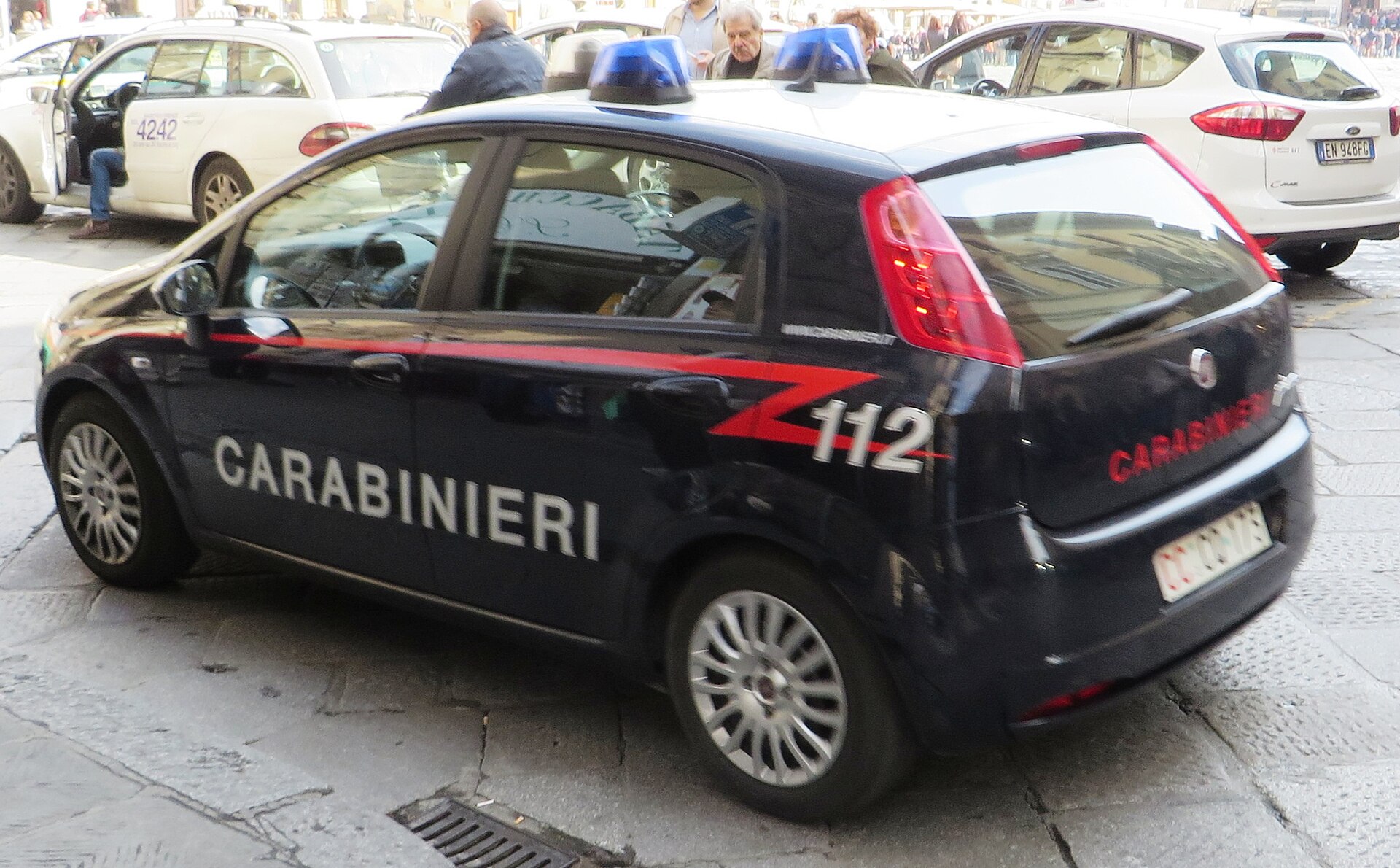
- Carabinieri – Territorial Department of Aprilia & Provincial Command of Latina: Operational military police units executing territorial surveillance, arrests, and localized anti-racket sweeps across the Latina province.
- Polizia di Stato – Questura di Latina: State police authority collaborating in joint multi-agency enforcement actions across southern Lazio.
- Procura della Repubblica di Roma – Direzione Distrettuale Antimafia (DDA): The prosecuting authority coordinating long-term investigations into mafia-style associations, cross-border narcotics logistics, and mutual legal assistance requests.
- Anti-Smuggling and Organized Crime Department (KOM) – Ankara, Turkey: Counterpart foreign law enforcement agency engaged in operational briefings with Italian delegations under Operation “Borotalco.”
- Corte di Appello di Perugia: The judicial authority that handed down a final, definitive conviction in 2022 sentencing a key targeted subject to 8 years of imprisonment for aggravated robbery and drug-related offenses.
- Targeted Corporate Entities: Commercial enterprises across Rome, Sora, Pomezia, and Grosseto, including food distribution networks, plastics production facilities, and corporate holding structures subjected to judicial freezing.
Critical Analysis of Evidence and Strategic Gaps
An examination of the preventive seizure decrees reveals a systematic methodology of corporate asset integration. In the Rome and Pomezia operational theaters, judicial decrees targeted four complete operating companies alongside eleven real estate assets, encompassing two luxury villas in residential Pomezia and an apartment in Grosseto, reaching an aggregate estimated value of roughly four million euros.
In the Sora territory, patrimonial investigations culminated in the seizure of five operating companies, three land parcels, five complete buildings, and associated financial accounts valued at approximately two million euros. The subjects controlling these assets had previously faced convictions stemming from the violent drug distribution rivalries initiated in October 2020.
“Il decreto di sequestro riguarda 5 società operanti nel Sorano, nonché 3 terreni, 5 fabbricati e disponibilità finanziarie per un valore complessivamente stimato di circa due milioni di euro.”
The judicial measures demonstrate how illicit proceeds from narcotics distribution and extortion are channeled into low-margin, high-turnover sectors such as food wholesale and plastics manufacturing. The application of Article 14 of EU Regulation 2018/1805 for mutual recognition of freezing and confiscation orders represents a crucial legal vector for immobilizing corporate shares across international jurisdictions.
Despite these extensive asset confiscations, several investigative questions remain open. While law enforcement successfully apprehended fugitives in Morocco in November 2025 and conducted high-level liaisons in Ankara regarding Operation “Borotalco,” the complete structural architecture of cross-border money laundering routes utilized during the 2024–2025 evasion period is not fully detailed in the current public records.
Furthermore, the data clearly illustrates the interface between Campania-based organized crime groups and local criminal figures in the Aprilia area, yet the exact division of territorial revenues across the peripheral distribution hubs of Abruzzo and southern Lazio remains an active area of judicial scrutiny.
Transparency, Source Provenance, and Legal Framework
This investigative dossier is constructed exclusively from official operational communiqués, institutional briefings, and patrimonial decree summaries published by the Direzione Investigativa Antimafia (Centro Operativo di Roma).
Under Italian Law (Legge 22 aprile 1941 n. 633, articolo 5), official administrative and judicial acts of the Italian State and public administrations are not subject to copyright restrictions and reside in the public domain. The operational documents cited originate from official institutional reports cataloged by the Italian Ministry of the Interior via its dedicated anti-mafia division portal (direzioneinvestigativaantimafia.interno.gov.it).
All referenced dates, operational names including “Assedio” and “Borotalco,” asset valuations, judicial measures, and international liaison meetings are drawn directly from verifiable institutional records preserved for public accountability and legal research.