
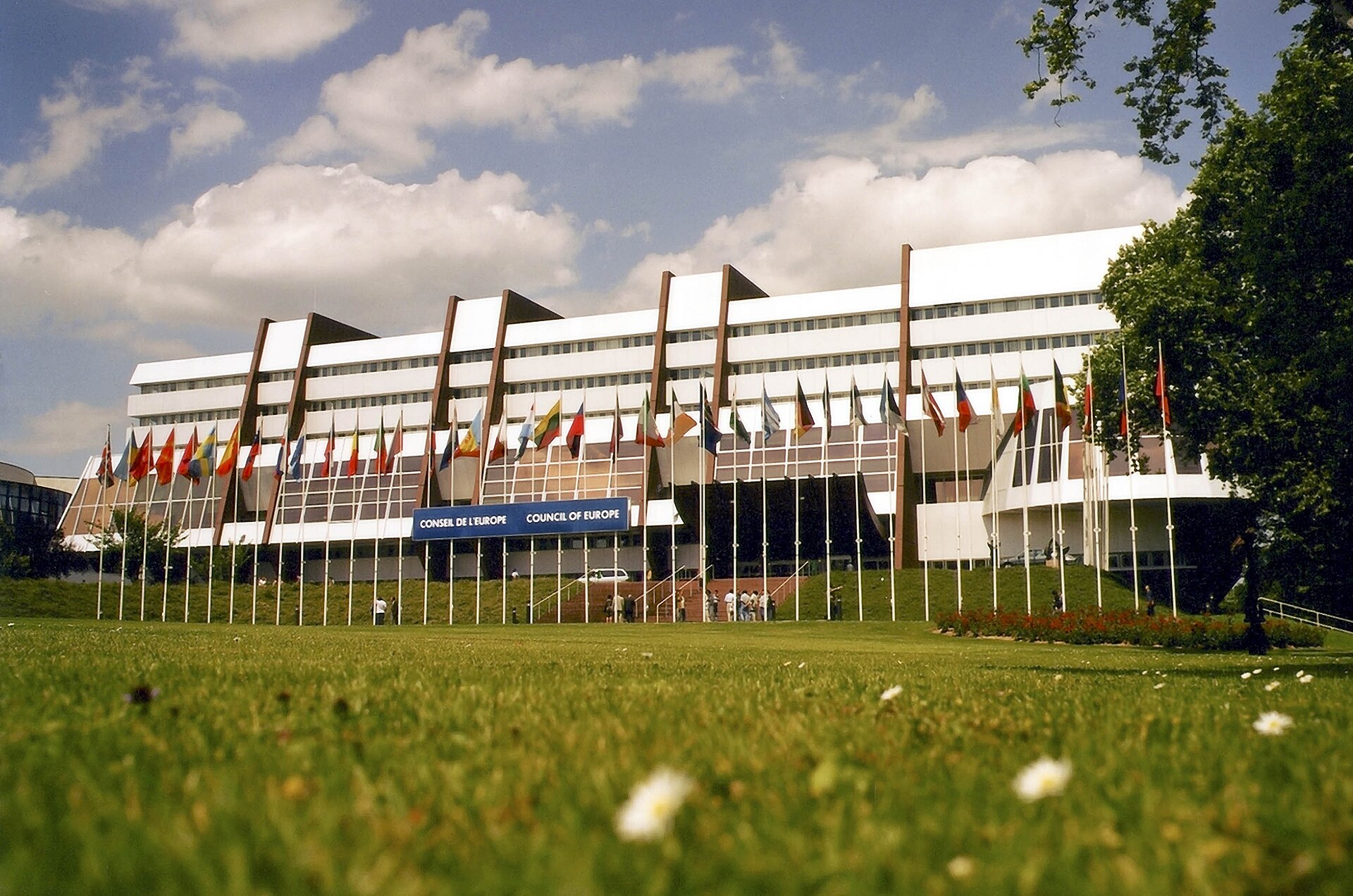
Public Interest and Structural Integrity
The resilience of democratic institutions depends on the operational independence and statutory coherence of their anti-corruption bodies. When a state restructures or abolishes its dedicated supervisory organs while navigating entrenched systemic bribery, the implications extend beyond domestic administrative governance into international judicial cooperation. Scrutinizing the mechanisms that regulate corporate liability, public procurement integrity, and the suppression of organized crime networks remains essential for assessing institutional accountability.
Italy’s integration into multilateral anti-corruption evaluation frameworks exposed deep structural tensions between codified penal norms and administrative practice. The institutional timeline reveals recurring reorganizations that altered oversight mechanisms, while legislative modifications shifted the operational timelines of judicial proceedings. Understanding the trajectory of these anti-corruption mechanisms provides vital context for evaluating how legal frameworks either deter systemic malfeasance or inadvertently create procedural safe harbors for illicit networks.
Historical and Geopolitical Context
Italy formally joined the Group of States against Corruption (GRECO) on June 30, 2007, entering the oversight mechanism only after the conclusion of the body’s first and second evaluation rounds. This late accession meant that the country underwent a combined Joint First and Second Round Evaluation, requiring international evaluators to examine foundational areas ranging from specialized anti-corruption bodies and investigative immunities to the recovery of illicit assets and corporate liability frameworks.
Prior to the evaluation team’s on-site visit, domestic authorities submitted formal replies to detailed evaluation questionnaires (Greco Eval I-II (2008) 3E Eval – Serie 1 and Serie 2), accompanied by statutory enactments and administrative regulations. The international framework against which the country was evaluated derived from the Council of Europe’s Guiding Principles 5 (legal entities) and 8 (tax legislation), alongside Articles 14, 18, and 19.2 of the Criminal Law Convention on Corruption (ETS No. 173). Italy had signed both the Criminal Law Convention on Corruption (ETS No. 173) and the Civil Law Convention on Corruption (ETS No. 174).
The domestic baseline for these international reviews was defined by deep systemic vulnerabilities documented in official state diagnostics. A 2007 study conducted by the High Commissioner for Preventing and Combating Corruption revealed that administrative corruption was widespread across public sectors. The study identified obscure and inefficient recruitment and promotion procedures within the public administration as structural drivers facilitating corrupt exchanges.
These administrative weaknesses operated alongside deeper criminal convergences. An earlier study published by the High Commissioner in June 2006 established clear connections between administrative corruption and organized crime syndicates, particularly at the local municipal level and across the southern regions of the country (the Mezzogiorno). The international perception of this landscape was reflected in the 2007 Transparency International Corruption Perceptions Index, which ranked Italy 55th out of 180 evaluated nations (and 26th out of 31 European states), scoring 4.8 out of 10.
Key Actors and Institutional Architecture
The institutional framework governing anti-corruption enforcement during this pivotal evaluation period involved multiple statutory organs, administrative departments, and international oversight bodies:
- Group of States against Corruption (GRECO): The Council of Europe’s anti-corruption monitoring body, responsible for evaluating Italy’s compliance through its Group of Experts (GET) plenary sessions in Strasbourg between June 29 and July 3, 2009.
- High Commissioner for Preventing and Combating Corruption: Established by law in 2003 and operational from 2004, this specialized entity led diagnostic research and served as the central prevention organ until its legislative abolition in August 2008.
- Department of Public Administration (Presidency of the Council of Ministers): The executive department under the Ministry of Public Administration and Innovation that absorbed anti-corruption responsibilities through the Anti-Corruption and Transparency Service (SAeT) via Prime Ministerial Decree on October 2, 2008.
- Transparency International: The global anti-corruption non-governmental organization, maintaining a continuous national presence in Italy since 1996, which tracked the country’s governance indicators.
- Ministry of Justice (Italy): The primary state authority managing judicial records, legislative reform, and treaty compliance across European jurisdictions.
Critical Analysis of Evidence and Statutory Mechanics
A rigorous examination of the structural record reveals substantial institutional and legislative volatility at the precise moment international oversight intensified. The creation of the High Commissioner in 2003 had been presented by national authorities in their formal evaluation responses as a cornerstone achievement in anti-corruption prevention. However, in June 2008, as part of a governmental rationalization program aimed at reducing public expenditures and restructuring administrative bodies, the High Commissioner was formally abolished, taking effect on August 25, 2008.
The subsequent transfer of functions on October 2, 2008, to the newly established Anti-Corruption and Transparency Service (SAeT) within the Department of Public Administration raised fundamental questions regarding administrative autonomy. Transitioning an independent oversight organ into a subordinate service within a central ministry shifted the institutional equilibrium from an external monitoring agency to an internal ministerial desk.
The authorities highlighted the establishment of the High Commissioner in 2003 as a breakthrough for prevention, yet the entity was dismantled in 2008 under broader administrative rationalization plans.
The substantive penal framework presents a parallel complexity. Italian criminal law establishes severe sanctioning mechanisms for public sector offenses. Under Article 317 of the Penal Code, extortion committed by a public official (concussione) carries custodial sentences ranging from four to twelve years. Furthermore, passive corruption involving illicit acts is subject to mandatory sentence enhancements under Article 319ter when committed in connection with judicial proceedings, or under Article 319bis when resulting in the unlawful assignment of public offices, salaries, pensions, or public procurement contracts.
However, the deterrence created by severe statutory maximums was profoundly affected by the 2005 legislative revision of the statute of limitations (prescrizione). This procedural overhaul altered prescription calculation rules across the penal code, resulting in increased prescription periods for certain offenses while significantly shortening the statutory timeframes for others. In complex financial and public administrative investigations—where evidentiary gathering is notoriously protracted—contracted limitation periods risk terminating proceedings before final adjudication, creating structural impediments to effective enforcement.
Corporate liability mechanisms demonstrate a phased statutory evolution. Direct administrative liability for legal entities was enacted through Legislative Decree 231/2001, initially covering public corruption offenses. It took an additional five years to extend corporate liability to money laundering offenses through Law 146/2006. While this legal regime introduced direct financial and disqualifying sanctions against commercial entities, its interaction with corporate tax compliance (Guiding Principle 8) and accounting transparency remained subject to ongoing international review.
The intersection between corruption and organized crime constitutes another critical statutory dimension. Membership in an organized criminal syndicate constitutes an autonomous offense under Article 416 of the Penal Code, elevated to Article 416bis when mafia-type characteristics are established. Under Article 416bis, leadership and founding roles incur prison sentences of up to 12 years. Additionally, Article 7(1) of Legislative Decree 152/1991 establishes mafia association as a general statutory aggravating circumstance for related offenses. Extraterritorial jurisdiction is explicitly asserted under Article 7(4) of the Penal Code for public officials who abuse their powers or violate official duties abroad, regardless of whether the conduct occurred wholly or partly outside national borders. Conversely, the extradition of Italian citizens remains strictly conditioned under Article 13(4) of the Penal Code upon the explicit terms of bilateral or multilateral international conventions, such as the European Convention on Extradition (ETS 024).
Archival Transparency and Legal Basis
This dossier is compiled from official state compliance documentation, evaluation records, and statutory acts deposited with the Council of Europe and the Italian Ministry of Justice. The foundational material originates from the Joint First and Second Round Evaluation proceedings finalized during the Strasbourg plenary sessions between June 29 and July 3, 2009.
In accordance with Article 5 of Italian Law No. 633/1941 (L. 633/1941, art. 5), official texts of state acts, administrative decisions, and international treaty submissions are in the public domain and not subject to copyright restrictions. These primary records serve as an open, verifiable historical archive for examining public integrity systems, criminal justice metrics, and state compliance with international anti-corruption treaties.