
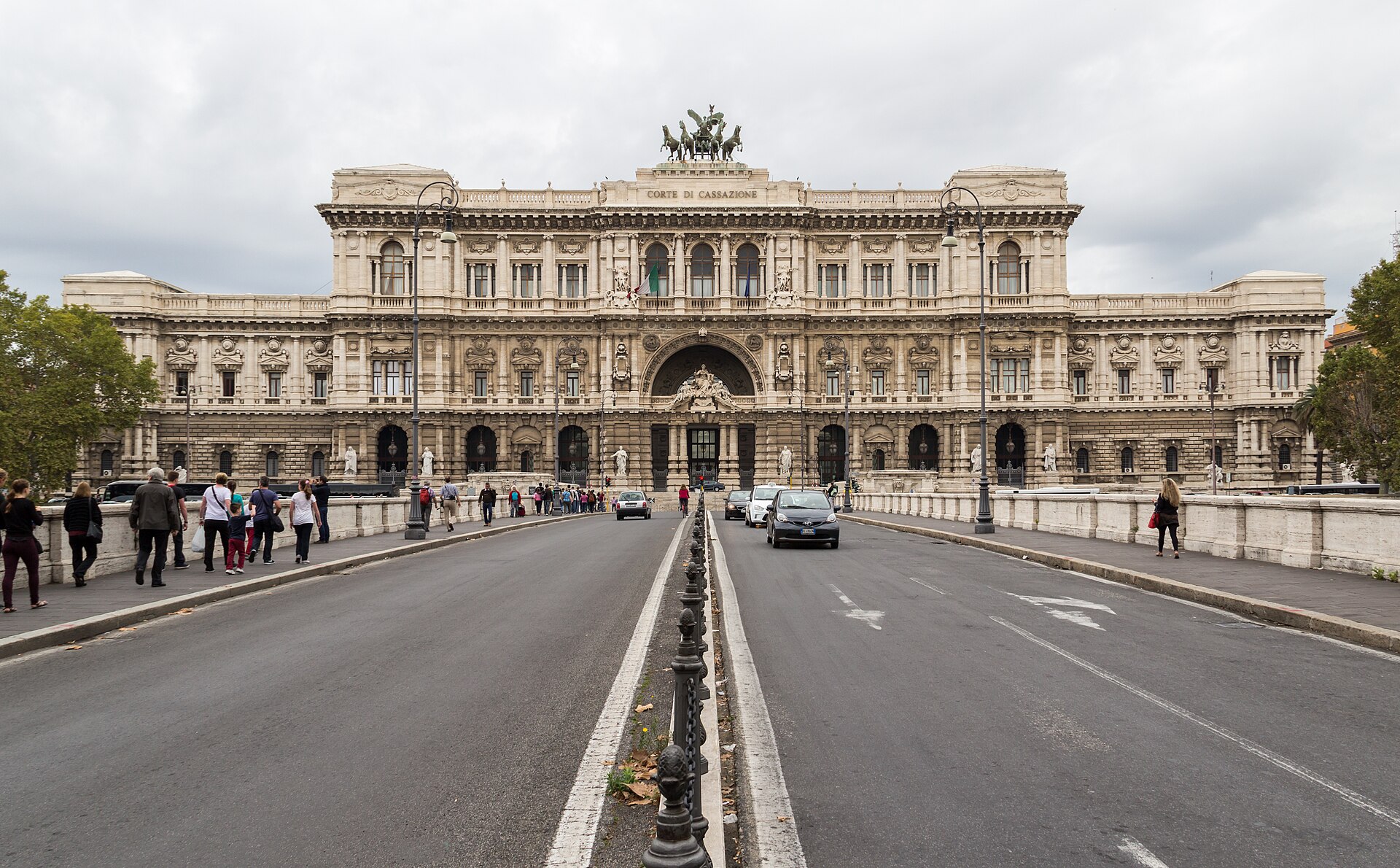
Public Interest and Jurisdictional Accountability
Judicial determinations concerning the boundaries of administrative jurisdiction directly dictate how citizens, environmental organizations, and taxpayers challenge state decisions. When supreme appellate bodies establish criteria for legal standing and administrative recourse, they govern whether institutional actions remain subject to public scrutiny or become insulated from judicial review.
The rulings issued by the United Sections in late June 2021 address systemic tensions across environmental enforcement, tax settlement mechanisms, and extraordinary administrative appeals. By defining the limits of review over specialized water tribunals and clarifying the scope of tax regularizations, these decisions set enforceable limits on state authority.
Understanding these rulings is critical for evaluating how institutional accountability functions in practice. When specialized administrative courts determine legal standing, the Supreme Court’s refusal or acceptance of jurisdictional review sets a precedent that directly impacts public interest litigation across Italy.
Historical and Regulatory Context
The Evolution of Administrative and Environmental Redress
The Italian legal system relies on a dual jurisdictional structure, dividing competence between ordinary and administrative judges under Article 103 and Article 111, Paragraph 8 of the Constitution. Within this architecture, specialized bodies such as the Superior Court of Public Waters (TSAP) hold exclusive authority over disputes impacting water resources and public hydrogeological domains.
Under Law No. 349 of July 8, 1986, Article 13, recognized environmental protection associations gained legal standing to challenge administrative acts harmful to the environment. However, procedural boundaries between ordinary administrative courts and the TSAP have generated decades of complex litigation regarding who holds legitimate standing to appeal decisions affecting protected natural assets.
The administrative procedural framework codified under Legislative Decree No. 104 of July 2, 2010 (Code of Administrative Procedure) sought to streamline these pathways. Articles 7, 120, and 133 of the Code explicitly defined the scope of extraordinary appeals to the Head of State (ricorso straordinario al Capo dello Stato), limiting this non-judicial remedy strictly to general administrative controversies.
Fiscal Disputes and Accelerated Settlement Frameworks
Parallel tensions developed within fiscal jurisdiction following the enactment of Decree-Law No. 119 of October 23, 2018, converted into Law No. 136 of December 17, 2018. This legislation introduced the fiscal settlement mechanism known as "Pace fiscale," permitting the simplified resolution of pending tax disputes under Article 6.
The application of this measure to automated tax assessments—specifically payment notices issued under Article 36-bis of Presidential Decree No. 600 of September 29, 1973, and Article 54-bis of Presidential Decree No. 633 of October 26, 1972—sparked divergent interpretations between judicial panels, raising questions regarding whether standard collection notices qualify as litigable tax acts under Article 19 of Legislative Decree No. 546 of December 31, 1992.
Key Institutional Actors and Judicial Panels
The rulings were adjudicated by the United Civil Sections (Sezioni Unite Civili) of the Supreme Court of Cassation, representing the highest judicial authority on jurisdictional conflicts in Italy.
- Francesco Tirelli: Presiding Judge over key rulings including Ordinance No. 18493 of June 30, 2021, Sentence No. 18491 of June 30, 2021, Ordinance No. 18492 of June 30, 2021, and Ordinance No. 18299 of June 25, 2021.
- Pietro Curzio: First President of the Supreme Court of Cassation, who presided over Sentence No. 18298 of June 25, 2021, addressing tax dispute settlements.
- Margherita Cassano: Presiding Judge over Sentence No. 17985 of June 23, 2021.
- Supreme Court of Cassation: The supreme judicial body responsible for ensuring the exact observance and uniform interpretation of the law.
- Tribunale Superiore delle Acque Pubbliche (TSAP): The specialized judicial body handling public water disputes and environmental administrative impacts, subject to jurisdictional boundaries established in Rome on December 3, 2019.
- Agenzia delle Entrate: The fiscal administration whose automated collection orders generated the underlying dispute originating in Salerno on May 2, 2013.
Critical Analysis of Evidence and Jurisprudential Gaps
Environmental Standing and the Boundaries of TSAP Oversight
In Ordinance No. 18493 of June 30, 2021 (Rv. 661654 - 01 and Rv. 661654 - 02), the Supreme Court ruled on the legitimacy of entities challenging administrative acts impacting the environment before the TSAP. The Court determined that the evaluation of legal standing conducted by the TSAP cannot be overturned through a jurisdictional appeal before the Court of Cassation.
"Legittimazione di un ente ad impugnare atti amministrativi incidenti sull’ambiente - Giudizio compiuto dal TSAP - Sindacabilità da parte della Corte di cassazione - Esclusione"
This ruling reinforces the procedural autonomy of the TSAP under Article 100 of the Code of Civil Procedure and Law No. 349/1986. However, it effectively leaves open the question of judicial recourse when an entity is denied standing at the specialized tribunal level, limiting constitutional guarantees of defense under Article 2 and Article 111 of the Constitution.
Extraordinary Appeals and Tax Litigation Dynamics
Under Sentence No. 18491 of June 30, 2021 (Rv. 661736 - 01), the Court restricted the admissibility of the extraordinary appeal to the President of the Republic. Grounded in Article 7, Paragraph 8 of Legislative Decree No. 104/2010, the Court ruled that such appeals are strictly limited to matters generally devolved to administrative jurisdiction, excluding issues reserved for other judicial venues.
"Il ricorso straordinario al Capo dello Stato è ammesso, ai sensi dell’art. 7, comma 8, c.p.a., solo per le controversie devolute in via generale alla giurisdizione amministrativa."
In the fiscal domain, Sentence No. 18298 of June 25, 2021 (Rv. 661547 - 01) addressed a long-standing divergence stemming from a Salerno dispute dated May 2, 2013. The Court confirmed that challenging a payment cartella issued under Article 36-bis of DPR 600/1973 constitutes a valid tax dispute eligible for simplified settlement under Decree-Law No. 119/2018.
Unresolved Inconsistencies Across Lower Tribunals
The rulings reveal deep structural tensions within Italian procedural law. While Sentence No. 18298 harmonized conflicting precedents—explicitly distinguishing previous divergent rulings such as Ruling No. 1154 of 2021—it highlighted the systemic friction between automated tax assessments and taxpayers’ rights to formal litigation.
Similarly, Ordinance No. 18492 of June 30, 2021 (Rv. 661738 - 01), referencing Article 362 of the Code of Civil Procedure and Legislative Decree No. 165/2001, underscores the narrow channel available under Article 111, Paragraph 8 of the Constitution for challenging non-ordinary administrative rulings.
Transparency, Source Act, and Legal Base
The primary legal materials underpinning this investigative dossier originate from the official monthly compilation of civil jurisprudence published by the Supreme Court of Cassation for June 2021. The official document details the full legal maxims, regulatory citations, and judicial panel compositions.
Access to the primary source document is publicly available via the institutional repository of the Supreme Court: Rassegna mensile della giurisprudenza civile - Giugno 2021.
Under Article 5 of Italian Law No. 633 of April 22, 1941, official acts of the State and public administrations are not protected by copyright and reside in the public domain. This legal guarantee ensures unhindered public access, archival verification, and civic review of judicial decisions.